
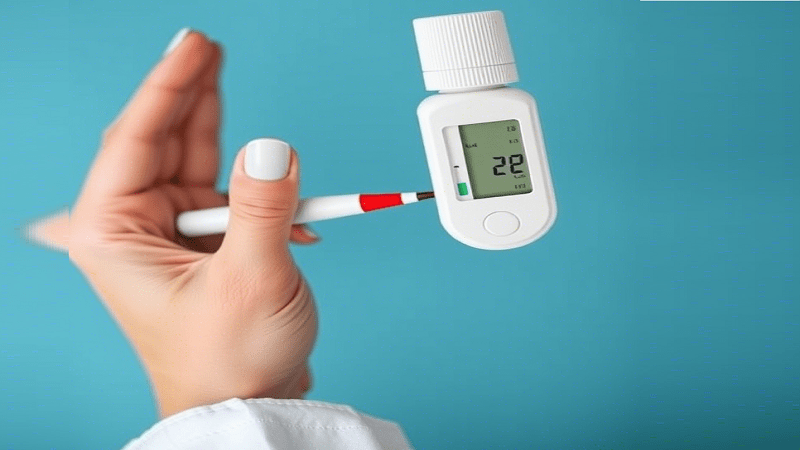
Diabetes Diagnosis: Blood Sugar Tests
Last Updated on 03/22/2026 by DrHelal
The diagnosis of diabetes is typically confirmed through blood tests that measure blood glucose levels. These tests are crucial for identifying diabetes, prediabetes, and gestational diabetes.
Methods Used for Diabetes Diagnosis:
A. Symptoms and Signs
- Symptoms of Diabetes include frequent urination, excessive thirst, hunger, fatigue, blurred vision, and slow healing wounds. Signs involve unexplained weight loss or gain, tingling in hands or feet, and infections.
- Increased thirst (polydipsia)
- Frequent urination (polyuria)
- Increased hunger (polyphagia)
- Unexplained weight loss
- Fatigue
- Blurred vision
- Slow-healing sores or frequent infections
- Tingling or numbness in the hands or feet (neuropathy)
B. Diagnosis by Laboratory Tests
Before starting to discuss the laboratory tests, you need to know whether you are in need to do those tests. You may also want to know about: Medical laboratory test packages: Get Big Discount in Manila
- You should be tested if you experience any symptoms of diabetes.
- if you dnt have symptoms, but have some risk factors, like family history.
- It is recommended to make it part for any routine check-up, if you are 45 years above, or overweight.
- You are already diabetic, so you need to do the tests to monitor and manage the illness.
- During pregnancy. it is done routinely.
1. Blood Tests:
a. Fasting Blood Glucose (FBG) Test
- Procedure: The patient fasts for at least 8 hours (usually overnight) before the test.
- Reading the resukts:
Normal Range: <100 mg/dL (5.6 mmol/L)
Prediabetes : 100–125 mg/dL (5.6–6.9 mmol/L)
Diabetes: >126 mg/dL (7.0 mmol/L) or higher on two separate tests
b. Hemoglobin A1c (HbA1c) Test
- Procedure: Measures average blood glucose levels over the past 2-3 months.
- Normal Range: Below 5.7%, Prediabetes : 5.7% to 6.4%, Diabetes: 6.5% or higher.
c. Oral Glucose Tolerance Test (OGTT)
- Procedure: The patient fasts overnight, and then drinks a sugary solution. Blood sugar levels are measured before and 2 hours after drinking the solution.
- Normal Range: < 140 mg/dL (7.8 mmol/L)
- Prediabetes : 140–199 mg/dL (7.8–11.0 mmol/L)
- Diabetes: >200 mg/dL (11.1 mmol/L)
d. Random Blood Glucose Test
- Procedure: Blood sugar is measured at any time, regardless of when the patient last ate.
- Diabetes: 200 mg/dL (11.1 mmol/L) or higher.
2. Urine Tests
- To check for glucose or ketones in the urine, this can indicate poorly controlled diabetes. It may also suggest diabetic ketoacidosis (DKA).
Criteria for Diagnosis
According to the American Diabetes Association (ADA) and other health organizations, diabetes can be diagnosed if any of the following criteria are met:
- Fasting Blood Glucose (FBG): ≥ 126 mg/dL (7.0 mmol/L) on two separate tests.
- Hemoglobin A1c (HbA1c): ≥ 6.5%.
- Oral Glucose Tolerance Test (OGTT): ≥ 200 mg/dL (11.1 mmol/L) 2 hours after consuming a glucose solution.
- Random Blood Glucose: ≥ 200 mg/dL (11.1 mmol/L) with symptoms of hyperglycemia.
Differentiating Between Type 1 and Type 2 Diabetes
Type 1 and Type 2 diabetes are chronic conditions. They affect blood sugar regulation. However, they differ in their causes, onset, and management.
Type 1 diabetes is an autoimmune disorder. The body’s immune system attacks insulin-producing cells in the pancreas. This attack leads to little or no insulin production. It typically develops in childhood or adolescence and requires lifelong insulin therapy.
In contrast, Type 2 diabetes is characterized by insulin resistance and often a relative insulin deficiency. It usually develops in adults and is strongly linked to lifestyle factors such as obesity and inactivity. Management often includes lifestyle changes, oral medications, and sometimes insulin. Understanding these differences is crucial for proper diagnosis and treatment.
| Feature | Type 1 Diabetes | Type 2 Diabetes |
|---|---|---|
| Typical Age of Diagnosis | Children and young adults | Adults |
| Cause | Autoimmune | Insulin resistance |
| Insulin Production | Noor little | Produced |
| Diagnosis Methods | Autoantibody testing, C-peptide levels | Blood glucose tests |
| Associated Factors | Autoimmune condition | Obesity, sedentary lifestyle |
Prediabetes Diagnosis
It is diagnosed when blood glucose levels are higher than normal but not high enough to be classified as diabetes. Criteria for prediabetes.

Screening Recommendations
Testing for type 2 diabetes is recommended for individuals with certain risk factors. These risk factors include being age 35 or older or overweight. A family history of diabetes or belonging to certain ethnic groups are risk factors as well.
Gestational Diabetes
This condition occurs during pregnancy and typically diagnosed between 24 and 28 weeks of gestation. The diagnosis is made using the oral glucose tolerance test (OGTT). The diagnostic criteria for gestational diabetes are slightly different from those for type 2 diabetes.
Conclusion
Diagnosing diabetes involves a combination of clinical evaluation and laboratory tests. Early diagnosis is vital. Proper management is necessary to prevent complications such as heart disease, kidney damage, nerve damage, and vision problems. If you suspect you have diabetes, or if you are experiencing symptoms, you should consult a healthcare professional. This is important for proper evaluation and testing.
Sources:
If you suspect that you may have symptoms, Helal Medical can help, offering quick, private, and convenient testing options. You may contact us here: Facebook page
Read More About Diabetes:
- How to Manage Diabetes During the Holidays
- Stem Cell Therapy: The New Frontier in Diabetes Treatment (2024 Update)
- Diabetic Eye Diseases: Causes, Symptoms, and Prevention
- What Is Insulin Resistance and Why It Matters
- Thrush (Yeast infection): Causes and Treatment
Discover more from Helal Medical Manila
Subscribe to get the latest posts sent to your email.

