
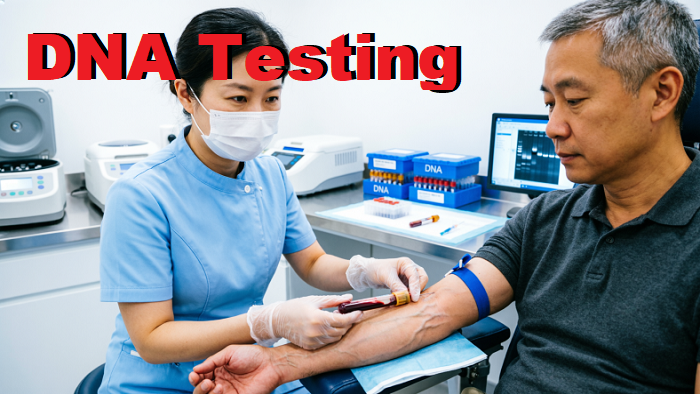
DNA Testing Accuracy: How Reliable Are DNA Tests?
Last Updated on 03/25/2026 by DrHelal
DNA testing has become increasingly popular in recent years. People use it to learn about their ancestry, health risks, and potential genetic disorders. But just how accurate are DNA tests? In this article, we’ll explore DNA testing, the science behind DNA testing accuracy and what factors can influence the results.
Understanding DNA Testing
Before we dive into the accuracy of DNA testing, it’s important to understand how the process works. DNA testing analyzes specific regions of a person’s DNA. It identifies variations that may be linked to certain health conditions. These variations can also provide information about ancestry.
There are different types of DNA tests, including autosomal, Y-DNA, and mitochondrial DNA testing. Autosomal testing examines a person’s entire genome. Y-DNA and mitochondrial DNA testing focus on specific parts of the genome. These parts are passed down from either the father or mother.
Factors That Can Affect DNA Test Accuracy
While DNA testing is generally accurate, there are several factors that can affect the results. The quality of the DNA sample provided is one of the factors. Contaminated samples may not provide accurate results.
Another factor is the methodology used by the testing company. Different companies use different methods to analyze DNA samples, which can result in varying levels of accuracy. Finally, the interpretation of the DNA test results can also impact accuracy. Some genetic variations can be interpreted differently. This depends on the testing company and the algorithm they use to analyze the results.
The Accuracy of DNA Testing
Despite the factors, mentioned before, DNA testing is generally considered to be highly accurate. According to the National Institutes of Health (NIH), the accuracy of testing can range from 99.9% to 99.999% depending on the type of test and the quality of the sample provided.
Autosomal DNA testing, which looks at a person’s entire genome, is the most accurate type of DNA testing. Y-DNA and mitochondrial DNA testing are highly accurate. However, they only provide information on specific parts of a person’s genome.
DNA Testing Limitations
While DNA testing is generally accurate, but it has some limitations. It can only provide information on the specific regions of a person’s genome that are analyzed. It cannot provide information on all genetic variations or health conditions. Additionally, this testing cannot predict a person’s future health. DNA variations may be linked to certain health conditions. However, environmental and lifestyle factors can also play a significant role in a person’s health outcomes.
How DNA Variations Cause Health Conditions
DNA variations can change how proteins are made, potentially causing them to function poorly or not be produced at all. Since proteins are essential for the body’s proper functioning, these changes can lead to genetic disorders. However, not all DNA changes cause disease; many have no effect1.
Types of DNA Variations
Source: (Genetic Disorders: MedlinePlus)
- Inherited Variants: These are passed down from parents through egg or sperm cells.
- Non-Inherited Variants: These occur during a person’s lifetime and are not passed down from parents. They can be caused by factors like harmful chemicals or UV rays.
Types of Genetic Disorders
- Single Gene Disorders: Caused by changes in one gene, such as sickle cell anemia.
- Chromosomal Disorders: Caused by missing, extra, or altered chromosomes, such as Down syndrome.
- Complex (Multifactorial) Disorders: Caused by changes in multiple genes, along with lifestyle and environmental factors. Colon cancer is an example.
Examples of DNA Variations and Associated Health Conditions
- BRCA1/BRCA2 Mutations: Increase the risk of breast and ovarian cancer.
- MTHFR Mutation: Linked to health issues like high blood pressure, heart disease, stroke, and mood disorders. However, having the mutation doesn’t guarantee these problems.
- TCF7L2 Gene Variants: Increase the risk of type 2 diabetes.
Prevention and Management
While you can’t change your DNA, adopting a healthy lifestyle can help lower disease risk. This includes a balanced diet, regular exercise, stress management, and avoiding harmful substances like tobacco and excessive alcohol. Regular screenings and check-ups are also crucial for early detection and management of potential health issues3.
SUMMARY
DNA testing is generally considered to be highly accurate, with accuracy rates ranging from 99.9% to 99.999%. However, several factors can affect the accuracy of this testing. The quality of the DNA sample can impact accuracy. The methodology used by the testing company also plays a role. Furthermore, how the results are interpreted is crucial. Despite its limitations, DNA testing can provide valuable insights into a person’s ancestry and potential health risks.
SOURCES
Discover more from Helal Medical Manila
Subscribe to get the latest posts sent to your email.


