
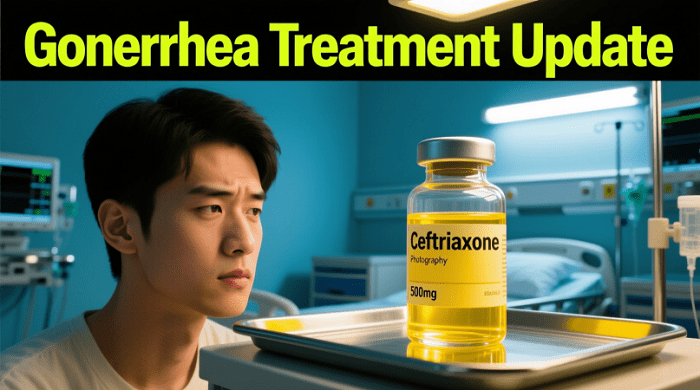
Gonorrhea Treatment Update: What Filipinos Should Know in 2025
Last Updated on 03/17/2026 by DrHelal
Sexually transmitted infections remain a public-health concern worldwide. For the disease gonorrhea, medical recommendations have changed as bugs evolve.
This Gonorrhea treatment update article explains the current best treatment for uncomplicated gonorrhea. It details what changed from older practices. It also informs what Filipinos should know to stay safe. Following today’s guidelines help successful treatment, prevent reinfection, and avoid complications.
What Is the Latest Gonorrhea Treatment Update?
As of the most recent guidance, the “gold standard” for treating uncomplicated gonorrhea in adults and adolescents has been updated. It is now a single dose of the antibiotic Ceftriaxone. This antibiotic is delivered as an injection (shot). (CDC)
- For persons weighing less than 150 kg: 500 mg IM (intramuscular) in a single dose.
- For persons weighing 150 kg or more: a higher dose — 1 g IM single dose. (PMC)
This recommendation applies for uncomplicated gonorrhea affecting the urethra (penis/penile area), cervix (in women), rectum, or throat (pharynx). (CDC)
Previously, treatment often involved two antibiotics (dual therapy), combining ceftriaxone with another antibiotic (like azithromycin). But due to concerns over antibiotic resistance and effectiveness, the guidance has shifted. Now, ceftriaxone monotherapy is preferred for uncomplicated cases. (American Academy of Family Physicians)
If the recommended injection is not feasible, an alternative may be a single oral dose of Cefixime. This could be the case, for example, if the person refuses the injection or if it’s unavailable. (CDC)
Gonorrhea often occurs together with another STI called chlamydia. Many doctors will also prescribe a second antibiotic for chlamydia. They will do this unless the other infection has already been ruled out.
Why the Treatment Recommendations Changed
The bacteria that cause gonorrhea, Neisseria gonorrhoeae, have a long history of becoming resistant to antibiotics. Over the decades, many of the drugs that used to work are now less effective. (Wisconsin Department of Health Services)
Due to these developments:
- Dual-therapy (two-drug) regimens were re-evaluated. Experts found that the old combination (ceftriaxone + another antibiotic) posed a risk. It could increase antibiotic resistance. Additionally, it disrupts beneficial bacteria in the body. (PMC)
- Ceftriaxone still works in the overwhelming majority of cases. Research and surveillance confirm this. It is the most reliable, single-drug option. (CDC)
- Health authorities now emphasize correct, prompt treatment. They stress the importance of careful follow-up. This is due to resistance patterns worldwide and some cases of multi-drug resistant gonorrhea emerging. (World Health Organization)
What to Expect: Treatment Steps & What Patients Should Do
Here’s what typically happens when you get treated for gonorrhea under the new guidelines:
- Injection of ceftriaxone:
single shot, usually painless and quick, done by a health professional. (Mayo Clinic) - If needed, treatment for chlamydia:
The doctor may prescribe an oral antibiotic like Doxycycline. This is done if a chlamydia infection isn’t excluded. (OUP Academic) - Avoid sex during treatment:
You must abstain from sexual activity for at least 7 days after treatment. Wait until all partners are treated to prevent reinfection or spreading the infection. (Mayo Clinic) - Inform and treat sexual partner(s):
Even if they don’t have symptoms; otherwise reinfection can occur. (Mayo Clinic) - Follow-up testing:
In certain situations (especially throat/pharyngeal infections), a “test-of-cure” may be needed 7–14 days after treatment. (PMC) - Retest after 3 months:
Because reinfection is common, many guidelines recommend a repeat test three months after treatment. (OUP Academic)
Challenges Ahead: Drug Resistance and What It Means for Filipinos
Even with correct treatment, gonorrhea remains a moving target. The bacteria are evolving. According to a 2025 update from World Health Organization (WHO), there are now reports of strains that are resistant. These are resistant to the current recommended drugs. These strains are sometimes called “super gonorrhea.” (World Health Organization)
This underscores important truths:
- Treatment must be done properly and completely — partial or incorrect treatment increases the chance that resistant bacteria emerge.
- Prevention (safe sexual practices) remains vital. Medication is effective, but it’s not 100% protection against future infection.
- Surveillance and follow-up are key. If symptoms come back, get re-tested. Also, if there was unprotected sex with an untreated partner, get re-tested.
For Filipinos: What You Should Know and Do
If you live in the Philippines — or anywhere — and you suspect you may have gonorrhea (symptoms like unusual discharge, burning during urination, pain, or none at all), here are practical steps:
- Seek medical care immediately — early diagnosis and correct treatment gives the best chance for cure.
- Make sure treatment follows the latest guideline — insist on a single ceftriaxone injection or the correct alternative if needed.
- Inform your partner(s) — everyone involved should be treated to avoid reinfection.
- Abstain from sexual activity for at least 7 days after treatment. Only return to sex once your doctor confirms a cure. Ensure your partner has been treated as well.
- Return for follow-up testing if advised (especially for throat infections), or at 3 months for reinfection check.
- Practice safe sex — use condoms or other protection, especially with new or multiple partners.
Why This Gonorrhea Treatment Update Matters
- It simplifies treatment — only one reliable, effective antibiotic remains for most cases.
- It reduces unnecessary use of multiple antibiotics — which helps slow down the rise of drug-resistant bacteria.
- It offers a clear, standardized approach — which helps doctors everywhere, even in the Philippines, follow best practice.
- It reminds us that gonorrhea is still treatable — but also still dangerous if ignored or treated improperly.
Universal availability of correct treatment could help prevent long-term complications. This includes infertility and pelvic inflammatory disease. More severe problems can occur if untreated or treated improperly.
Summary
The 2025 Gonorrhea treatment update confirms that ceftriaxone — a single-dose injection — remains the best option for uncomplicated gonorrhea. Dual therapy is no longer the first choice because of concerns over antibiotic resistance. If you suspect you have gonorrhea, get treated as soon as possible.
Ensure all sexual partners are also treated. Wait at least 7 days before resuming sex. Follow any recommended follow-up testing. With correct treatment and responsible behavior, gonorrhea can be cured, but only if addressed correctly.
Do you have a question? please drop it down in the comments, or
Click here for (FREE ONLINE CONSULTATION)
If you suspect that you may have symptoms, Helal Medical can help, offering quick, private, and convenient testing options. You may contact us here: Facebook page.
Read More about STDs:
- STD Lab tests, what are the most common tests?
- Sexually Transmitted Diseases (STDs)
- STDs in the Philippines: Understanding
- Asymptomatic STDs, infected but no symptoms!
- 10 Most Popular STDs Questions, you need to know
- Gonorrhea: Transmission, Symptoms, Complications, Diagnosis, and Treatment
Discover more from Helal Medical Manila
Subscribe to get the latest posts sent to your email.

