
HIV Transmission: Understanding the Risks
Last Updated on 02/10/2026 by Helal Medical
HIV transmission is a serious global concern. It impacts millions of lives daily. Understanding how HIV spreads is crucial. Prevention is key to stopping it. Knowing the risks protects you.
But what if I told you simple steps could save lives? Understanding HIV can empower you. You can protect yourself and others. Are you ready to learn more?
In this article, we will explore HIV transmission in detail. We will cover routes and myths. Prevention and treatment are important too.
How HIV Transmission Occurs
HIV transmission requires specific conditions. The virus needs a direct route. It spreads through certain body fluids.
Fluids That Transmit HIV
- Blood is a high-risk fluid.
- Semen transmits HIV effectively.
- Vaginal fluids pose a risk too.
- Breast milk can transmit HIV.
Common Routes of Transmission
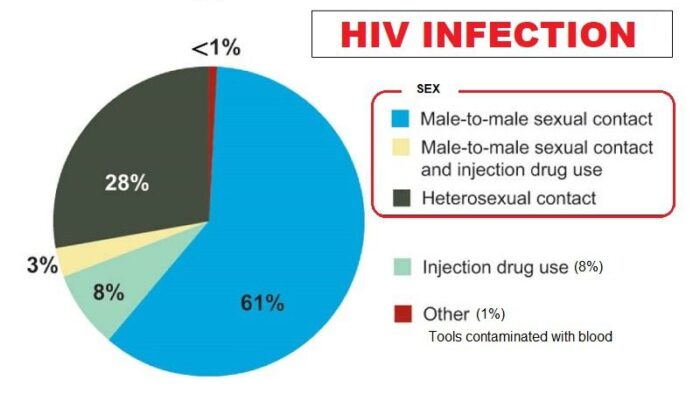
- Unprotected sex is a main route.
- Sharing needles spreads HIV fast.
- Mother to child transmission occurs.
High-Risk Activities for HIV Transmission
Certain activities increase the risk. Knowing these helps prevent spread.
Anal Sex
- Anal sex poses the highest risk.
- Receptive anal sex is riskier.
- Consistent condom use is vital.
Sharing Needles
- Sharing needles is very dangerous.
- Drug users are at high risk.
- Clean needle programs help reduce risk.
Mother to Child Transmission
- HIV can pass during pregnancy.
- It can transmit during childbirth.
- Breastfeeding also poses a risk.
- ART reduces this risk greatly.
Common Myths About HIV Transmission
Many myths surround HIV transmission. These can lead to fear and stigma. Knowing the facts is important.
Activities That Do Not Transmit HIV
- Kissing does not spread HIV.
- Sharing utensils is not a risk.
- Toilet seats pose no threat.
- Mosquito bites do not transmit HIV.
Why These Activities Are Safe
- HIV is fragile outside the body.
- It needs direct fluid contact.
- Casual contact poses no risk.
How HIV Affects the Body
HIV attacks the immune system. This makes the body weak.
Targeting CD4 Cells
- HIV targets CD4 cells directly.
- This weakens the immune system.
- The body can’t fight infections.
Progression to AIDS
- Without treatment, AIDS develops.
- AIDS is the final stage of HIV.
- The body is very vulnerable.
Global Impact of HIV
HIV is a global pandemic. Millions live with HIV today.
Global Statistics
- Millions live with HIV globally.
- The WHO provides these numbers.
- Sub-Saharan Africa is most affected.
Impact on Communities
- HIV affects families and societies.
- It strains healthcare systems.
- Prevention efforts are essential.
Factors Affecting HIV Transmission
Several factors influence HIV transmission risk.
Viral Load
- A high viral load increases risk.
- ART lowers the viral load.
- Undetectable equals untransmittable.
Immune Status
- A weakened immune system increases risk.
- Other infections can increase risk.
Presence of STIs
- STIs increase HIV transmission.
- Treating STIs is very important.
Preventing HIV Transmission
Prevention is the best approach. Several strategies are effective.
Safe Sex Practices
- Use condoms consistently and correctly.
- Limit the number of partners.
- Get tested for HIV and STIs.
Pre-Exposure Prophylaxis (PrEP)
- PrEP is a daily pill.
- It prevents HIV infection.
- It is highly effective when taken correctly.
Post-Exposure Prophylaxis (PEP)
- PEP is for emergency situations.
- It must be started within 72 hours.
- It can prevent HIV infection.
The Role of Education and Awareness
Education is crucial for prevention. Knowing the facts is empowering.
Importance of Education
- Education reduces stigma and fear.
- It promotes testing and treatment.
- It empowers people to protect themselves.
Awareness Campaigns
- Campaigns spread accurate information.
- They encourage testing and prevention.
- They support people living with HIV.
The Role of Healthcare Providers
Healthcare providers are vital. They offer testing and treatment.
Testing and Counseling
- Regular testing is very important.
- Counseling supports prevention efforts.
Treatment and Support
- ART is life-saving treatment.
- Support groups help people cope.
Conclusion: Stopping HIV Transmission
HIV transmission is preventable. Knowing the risks is the first step. Safe sex, PrEP, and PEP are effective. Education and support are crucial. We can stop HIV together.
Read More About HIV:
- HIV infection risk, who are the most vulnerable? Main ways of HIV infection.
- Sep 21, 2021
- HIV Western Blot Test: A Comprehensive Guidehiv-western-blot-test-a-comprehensive-guide. rapid HIV test. The test is also used to detect HIV infection. HIV Western Blot (HIV WB) is a very reliable and accurate diagnostic test.
- Mar 22, 2023
- HPV tests: A Guide to Screening and Preventionhpv-tests-a-guide-to-screening-and-prevention
- Jan 17, 2023
Do you have a question? please drop it down in the comments, or avail Online Medica Consultation; Click here for (FREE ONLINE CONSULTATION)
If you suspect that you may have symptoms, Helal Medical can help, offering quick, private, and convenient testing options. You may contact us here: Facebook page.
Discover more from Helal Medical Manila
Subscribe to get the latest posts sent to your email.


