
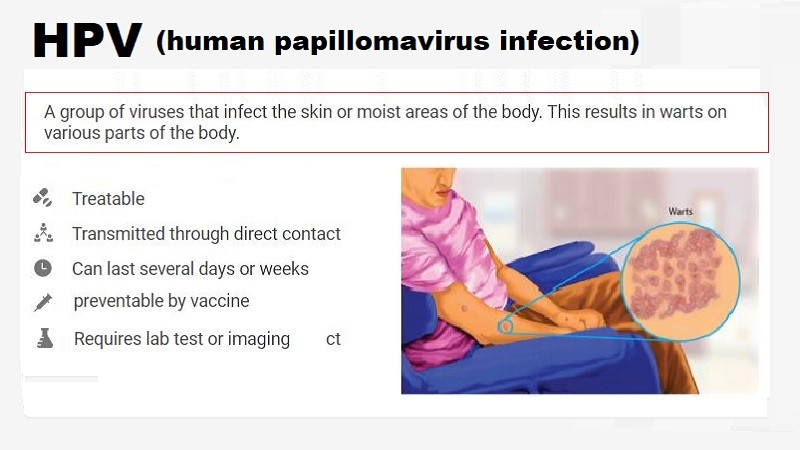
Human papillomavirus (HPV)
Last Updated on 02/09/2026 by Helal Medical
Human papillomavirus (HPV) is the most common STD. According to the CDC, it affects 79 million Americans. An estimated 20 million people are infected every year. Spread of HPV can be through skin-to-skin contact and can cause genital warts and cervical cancer. A person can have Human papillomavirus infection without any symptoms. However, some infected persons experience symptoms.
You can significantly reduce your HPV risk? Also, you can protect yourself from HPV-related complications? But you need the information that you will learn in this article. So, continue reading!
In this article, I will explore human papillomavirus (HPV) in detail, its prevalence, transmission, symptoms, and potential complications. I will also cover prevention strategies and treatment options.
What is Human papillomavirus (HPV)?
- It is the most common STD.
- Age, many among people in their late teens and early 20s.
- There are many different types of Human papillomavirus. Some types can cause genital warts>
- Few types can cause cancers.
- There are vaccines that can infection.
- In about 90% of HPV cases, infection cures on its own within 2-3 years without causing any health problems.
- But if HPV does not go away, it can cause problems like genital warts and even cancer. HPV can cause cervical cancers, cancer of the vulva, vagina, penis, and anus.
Prevalence of Human papillomavirus
Many persons don’t care to check regularly even they are sexually active. They find out the infection accidentally during checkup for any other purpose Here a story of a lady, show how most of us discover the infection:
I was in college. I was 20 and newly sexually active. My gynecologist called to tell me my Pap smear was abnormal. I had “moderate to severe dysplasia,” she said, the medical term for abnormal cells on the surface of the cervix. When I asked why, she said it was most likely caused by human papillomavirus, more commonly known as HPV.
POPSUGAR Fitness
The CDC notes that nearly every person who is sexually active will get HPV at some point in their lifetime. There’s now a vaccine that may help prevent the infection, even though many new cases occur yearly!
Symptoms of HPV:
In most cases, HPV does not cause any symptoms, and people may not even realize that they have the infection. However, when symptoms do occur, they can include:
- Genital warts: These are small, flesh-colored bumps that appear on the genitals, anus, or surrounding areas. They may be raised or flat, and they can appear singly or in clusters.
- Cervical cancer: This is a type of cancer that develops in the cervix, which is the lower part of the uterus. HPV is the leading cause of cervical cancer, which can cause symptoms like abnormal vaginal bleeding, pelvic pain, and painful intercourse.
- Other cancers: HPV can also cause other types of cancer, including cancer of the vulva, vagina, penis, anus, and throat.
Causes of HPV:
HPV is primarily spread through sexual contact. It is most commonly transmitted through vaginal, anal, or oral sex. People who have had multiple sexual partners or have had sex with someone who has had multiple partners are at the highest risk of contracting HPV.
In addition to sexual contact, HPV can also be spread through skin-to-skin contact. This can occur during non-sexual activities
Prognosis of HPV infection?
- Most of Human papillomavirus cases resolve by its own
- But in not cured, It can cause genital warts or even cancer.
- It can cause cancers like cervical, cancer of the vulva, vagina, penis, and anus. Also, it may cause cancer in the throat.
- It takes many years, even decades, to develop into cancer after infection.
How You know if have HPV: Diagnosis
- As mentioned before, most cases of Human papillomavirus don’t develop symptoms. So, they know accidentally, or when they get genital warts. Women may find out they are infected when they do Pap test with positive result.
- There is no test to find out whether you are infected.
- But There are HPV tests to screen for cervical cancer. These screening tests are used for women aged 30 years and older. They are not recommended to screen men, adolescents, or women under the age of 30 years.
Prevention of HPV:
There are several steps that people can take to reduce their risk of contracting HPV. These include:
- Get vaccinated: The HPV vaccine is recommended for both males and females between the ages of 9 and 45. The vaccine is most effective when given before a person becomes sexually active.
- Practice safe sex: Using condoms during sexual activity can reduce the risk of contracting HPV. However, condoms do not provide complete protection against the virus.
- Get regular Pap tests: Pap tests are used to screen for cervical cancer. Women should have regular Pap tests, as recommended by their healthcare provider.
- Limit sexual partners: Having fewer sexual partners can reduce the risk of contracting HPV.
- Avoid smoking: Smoking can weaken the immune system, making it more difficult for the body to fight off HPV.
What women have to do?
- Use condoms and get the Human papillomavirus vaccine if available.
- Any lady who is sexually active has to follow these steps. The single most important step is to get a routine Pap smear. It should be done at least every year. If you are diagnosed with HPV infection, your doctor will monitor you for a few years. Usually, the infection will resolve on its own. In not, simple operation, removal of the suspected cells, will cure it.
SUMMARY
According to the CDC, Human papillomavirus is a viral infection. It is the most common infection that spreads by sex (STD-STI). There are over 100 varieties of HPV, that can cause genital warts, mouth, or throat infections. There is no available test to diagnose the infection. Vaccination and using condoms can help prevent infection.
If you suspect that you may have symptoms, Helal Medical can help, offering quick, private, and convenient testing options. You may contact us here: Facebook page.
Do you have a question? please drop it down in the comments, or
Click here for (FREE ONLINE CONSULTATION)
Read More About HPV:
HPV tests: A Guide to Screening and Prevention
How the HPV Vaccine long protection Against Infection: at Least 3 Years
Discover more from Helal Medical Manila
Subscribe to get the latest posts sent to your email.


