
Infection with HIV: Understanding the 3 Stages
Last Updated on 02/18/2026 by Helal Medical
HIV infection is caused by human immunodeficiency virus that attacks the immune system. It can lead to AIDS, (acquired immunodeficiency syndrome). HIV causes a gradual weakening of the immune system, with 3 stages of the disease.
According to the World Health Organization (WHO), there were approximately 38 million people living with HIV globally in 2019. In this article, we will explore HIV infection, the causative virus, and stages of the disease.
Causative Virus: HIV
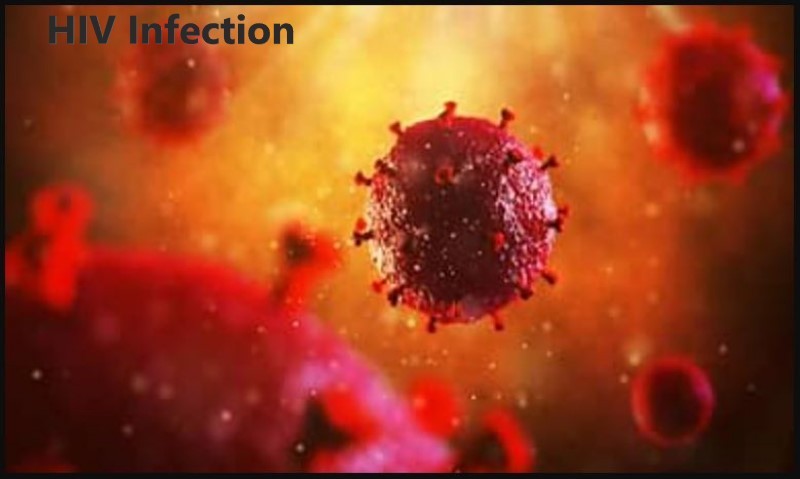
This infection is caused by the human immunodeficiency virus (HIV). See the image to get an idea about its structure.

The Stages of HIV Infection

HIV infection is a progressive disease that advances through three stages: acute HIV infection, chronic HIV infection, and acquired immunodeficiency syndrome (AIDS). Without treatment, the virus will continue to weaken the immune system, making the individual more susceptible to other infections and diseases.
Stage 1 (Acute HIV infection)
It is the initial stage of the disease, which occurs shortly after the virus enters the body (after infection). Symptoms of acute HIV infection can include fever, fatigue, sore throat, swollen lymph nodes, rash, and muscle aches. These symptoms may be mistaken for the flu or another viral infection, and some people may not experience any symptoms at all.
Stage 2 (Chronic HIV infection)
Also, it is known as asymptomatic HIV infection or clinical latency, is the second stage of the disease. During this stage, the virus continues to replicate at a lower level, causing damage to the immune system over time. However, most people do not experience symptoms, and the virus can remain undetectable for many years.
Stage 3 (acquired immunodeficiency syndrome – AIDS)
is the most advanced stage of HIV infection. During this stage, the virus has severely damaged the immune system. This damage makes the individual more vulnerable to other infections and diseases. Common symptoms of AIDS include weight loss, chronic diarrhea, and neurological disorders.
| Stage | Description | Symptoms |
|---|---|---|
| Acute HIV Infection | First stage of the disease, that occurs shortly after infection. | Fever, fatigue, sore throat, swollen lymph nodes, rash, and muscle aches. |
| Chronic HIV Infection | Second stage, also known as (asymptomatic HIV infection) or (clinical latency). The virus continues to replicate at a lower level, causing damage to the immune system over time. | No symptoms. The virus can remain undetectable for many years. |
| Acquired Immunodeficiency Syndrome (AIDS) | Most advanced stage. The virus has severely damaged the immune system, making the individual more vulnerable to other infections and diseases. | Weight loss, chronic diarrhea, and neurological disorders. |
The good news is that there is no cure for HIV. However, treatment with HIV medicine, called antiretroviral therapy (ART), can slow or prevent HIV from advancing between stages.
Conclusion
HIV is a serious global health issue that affects millions of people worldwide. Shortly after infection, the person may experience symptoms. This is called Acute HIV infection or early stage of HIV. If treated early and properly the patient can live a healthy and long life. But unfortunately, the HIV cannot be cured.
While there is no cure for HIV, it can be managed with antiretroviral therapy. This therapy can help to keep the virus at undetectable levels. It also lowers the risk of transmitting the virus to others. Individuals need to take steps to protect themselves from HIV. They should get tested if they believe they may have been exposed.
SOURCES:
- World Health Organization. (2021). HIV/AIDS.
- Centers for Disease Control and Prevention. (2021).
- Global HIV/AIDS Overview
- The Stages of HIV Infection | NIH
- The Four Stages of HIV Explained (better2know.co.uk)
- https://www.medicalnewstoday.com/articles/316336
Discover more from Helal Medical Manila
Subscribe to get the latest posts sent to your email.


