
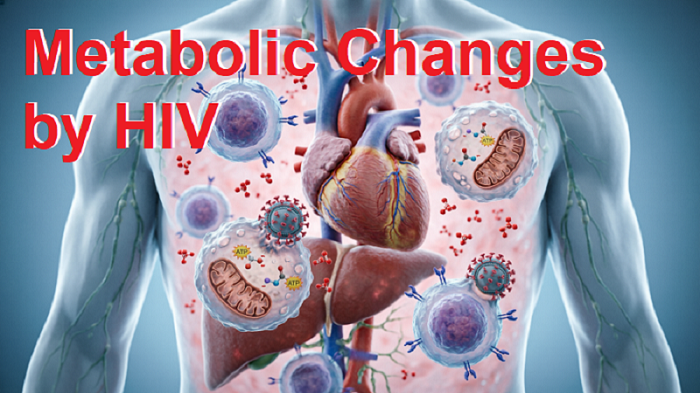
Metabolic Changes Caused by HIV Infection
Last Updated on 03/13/2026 by DrHelal
HIV infection is a complex health condition that impacts the immune system and cause various metabolic changes. These changes can have significant health consequences.
It’s important for people living with HIV to understand these changes and work closely with their doctor to manage them.
In this article, we’ll discuss several common metabolic changes that are caused by HIV infection. We will also examine their impact on health.
Metabolic Changes Caused by HIV Infection
HIV infection can cause various metabolic changes in the body. These changes have significant health consequences. This includes an increased risk of heart disease, diabetes, and other chronic conditions. Some of the most common changes include:
1- Lipid Metabolism
An increase in triglycerides is one of the most common metabolic changes caused by HIV infection. Cholesterol levels in the blood also rise. This occurs due to a combination of factors. These factors include the use of antiretroviral therapy, chronic inflammation, and changes in the way the body processes lipids. Elevated levels of triglycerides and cholesterol can increase the risk of heart disease. Therefore, people living with HIV have to check their lipid levels regularly.
2- Glucose Metabolism
HIV can also affect the way the body processes glucose, or sugar. People living with HIV may experience insulin resistance. This condition can lead to high blood sugar. It also increases the risk of type 2 diabetes. For those people, having the blood sugar monitored regularly make them able to manage any insulin resistance or diabetes.
3- Body Composition
Body composition changes can also occur with HIV infection, including loss of muscle mass and increased fat accumulation. This is often referred to as lipodystrophy and can be a side effect of certain antiretroviral medications. This condition can have a significant impact on a person’s self-esteem and quality of life.
4- Bone Metabolism
HIV also can cause changes in bone metabolism, which increases the risk of osteoporosis and bone fractures. This condition is due to the chronic inflammation and immune activation caused by HIV infection. Using certain medications or supplements can helo those living with HIV to maintain their bone density.
SUMMARY
HIV infection can cause various metabolic changes in the body. These changes can have significant health consequences, including an increased risk of heart disease, diabetes, and osteoporosis. Alterations in lipid and glucose metabolism are among the common changes caused. Body composition changes are also observed. Changes in bone metabolism are prevalent as well.
People living with HIV have to manage these metabolic changes and reduce their risk of complications. That can be achieved with the help of their healthcare provider. It is advisable for them to check blood lipids , glucose levels and monitor their bone health regularly.
If you suspect that you may have symptoms, Helal Medical can help, offering quick, private, and convenient testing options. You may contact us here: Facebook page.
Read More About HIV and Basic Metabolic Panel:
- Human Immunodeficiency Virus: Top HIV FAQs
- HIV vs AIDS: the 5 Main differences?
- What is Basic Metabolic Panel (BMP)?
- Obesity and Metabolic Syndrome in Filipinos: The Hidden Health Crisis
Discover more from Helal Medical Manila
Subscribe to get the latest posts sent to your email.

