
Osteoporosis Risk in Filipino Adults: The Silent Threat
Last Updated on 02/26/2026 by Helal Medical
Osteoporosis Risk in Filipino Adults as a public health issue is gaining attention across the Philippines. It suggests a high number of individuals are silently facing compromised bone health. Current reports show that about six out of ten Filipino adults are at risk of osteoporosis. While the exact prevalence figures vary by age group, projections indicate a significant threat. By 2050, over 10 million Filipinos can be affected. This condition, which makes bones brittle and fragile, is a major concern.
You can take control of your bone health today with simple lifestyle changes and awareness. Keep reading to discover how to safeguard your bones. Read our cornerstone article about: Preventive Health: Medical Checkups and Screenings That Can Save Your Life!
In this article, we will explore why Osteoporosis Risk in Filipino adults is high and the risk factors. We will also discuss prevention strategies. The goal is to empower Filipinos to protect their bone health.
Why Osteoporosis Risk in Filipino Adults is High?
Several factors contribute to this alarming rate among Filipinos. One of the most significant issues is widespread calcium deficiency. Surveys show that a vast majority of adults do not meet their recommended daily allowance for calcium. This issue is also prevalent among old age individuals. Adequate calcium is the essential building block for strong bones.
Another key factor is the high-risk demographic of postmenopausal women. Estrogen plays a critical role in maintaining bone density. When this hormone rapidly declines with menopause, bone loss accelerates drastically. This situation places women at a much higher risk than men. Furthermore, a sedentary, urban lifestyle, which is increasingly common, limits necessary weight-bearing exercise that stimulates bone growth.
Risk Factors for Osteoporosis in Filipino Adults
Risks from factors rise due to dietary habits, less sun exposure, and genetic predispositions. Lifestyle choices, (smoking and a sedentary lifestyle) and hormonal changes also contribute.
Age
- Bone density decreases with age.
- Older adults are more vulnerable.
- Regular screening is important.
Gender Read more about (The Importance of Regular Medical Check-Ups).
- Women are at higher risk than men.
- Menopause accelerates bone loss.
- Hormonal changes play a role.
Genetics
- Family history increases risk.
- Genetic factors influence bone density.
- Know your family history.
Lifestyle
- Poor diet contributes to bone loss.
- Lack of exercise weakens bones.
- Smoking and alcohol also increase the risk.
Medical Conditions
- Certain conditions increase risk.
- These include thyroid disorders.
- Also included are rheumatoid arthritis.
Medications
- Some medications affect bone density.
- Corticosteroids are an example.
- Discuss medications with your doctor.
Recognizing the Silent Disease
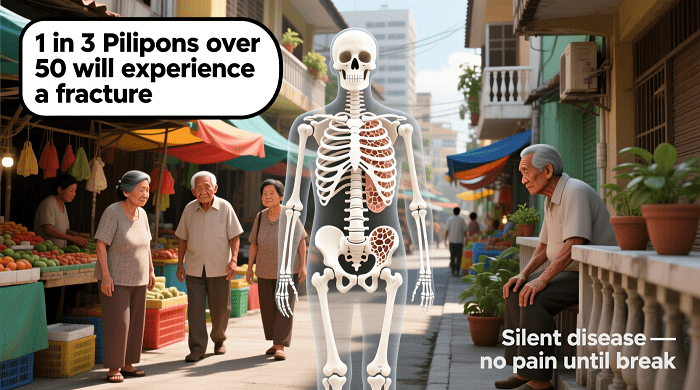
Osteoporosis is often called a “silent disease” because it rarely shows symptoms until a fracture occurs. The disease is already advanced by the time a minor fall causes a hip or spinal fracture. The same applies to a sudden movement that results in such fractures. These fragility fractures can lead to severe disability, loss of independence, and even increased mortality within the first year. Hip fractures, in particular, impose a significant financial and emotional burden on families.
Bone health experts strongly recommend proactive screening for at-risk individuals. This includes all women over the age of 65, men over 70, and anyone over 50 with significant risk factors.
Taking Action to Protect Your Bones
Fortunately, osteoporosis is largely preventable. Start by focusing on adequate nutrition, specifically calcium and Vitamin D. Vitamin D is essential because it helps your body effectively absorb calcium. Filipinos can easily get enough Vitamin D through safe sun exposure, though supplementation may be necessary.
Next, emphasize a physically active lifestyle that includes weight-bearing and resistance exercises. Simple activities like walking, jogging, and light weightlifting help strengthen bones and improve balance, which prevents falls. Finally, avoid modifiable risks like excessive alcohol and tobacco use. Consult with a doctor to discuss your individual risk and the need for bone density testing (DEXA scan).
Summary
The risk of osteoporosis in Filipino adults is a significant and growing public health challenge. It is driven by nutrient deficiencies and demographic factors. Proactive screening is essential. A diet rich in calcium and Vitamin D helps fortify bones. Regular weight-bearing exercise supports bone health. Together, these measures remain the best defense against this silent threat.
For More Reading:
- Review the recommended daily allowance for calcium and Vitamin D for Filipinos from the Food and Nutrition Research Institute.
- Learn more about the Osteoporosis Self-Assessment Tool for Asians (OSTA) risk stratification.
Was this “health tip” helpful? Share! And subscribe to our website so you never miss new health articles! Any concerns? Contact us at https://www.facebook.com/HelalMedical/ today.
Read More About Bone Health
Discover more from Helal Medical Manila
Subscribe to get the latest posts sent to your email.


