
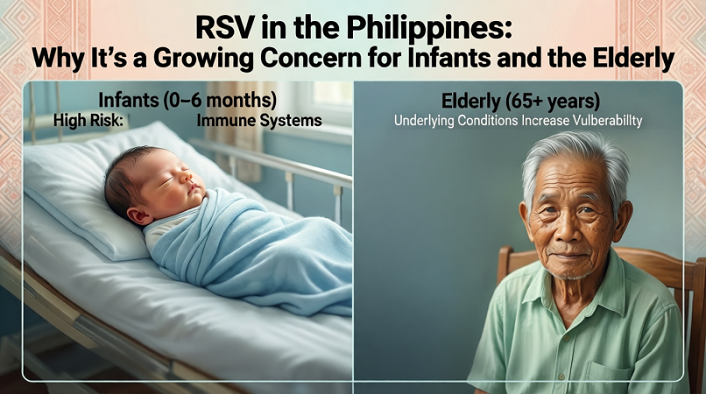
RSV in Philippines: Why It’s a Growing Concern for Infants and the Elderly
Last Updated on 03/04/2026 by DrHelal
Respiratory Syncytial Virus is commonly known as RSV in Philippines. It is a contagious respiratory virus that affects people of all ages. Infants, young children, and older adults are especially affected.
In recent years, doctors and health experts have raised concerns about a rise in hospitalizations due to RSV. This rise occurs as cooler weather approaches. Families should be aware of how it spreads and know who are at risk.
In this article, we will explore RSV in the Philippines. We will discuss its causes and seasonal rise. We will also identify high-risk groups like infants and seniors. You will learn the warning symptoms and simple prevention tips for Filipino families.
What Is RSV and How Does It Spread in Philippines?
RSV is a virus that infects the nose, throat, and lungs, causing respiratory symptoms. It is especially common in children under 2 years old, but anyone can get it.
People spread RSV through respiratory droplets when coughing or sneezing. They can also spread it by touching items contaminated with the virus and then touching the face.
Symptoms usually manifest 4–6 days after exposure and include:
- Runny or congested nose
- Coughing or wheezing
- Fever
- Sneezing
- Decreased appetite
- Irritability or difficulty breathing (especially in infants)
For most healthy adults and older children, RSV causes mild cold-like illness. But in more vulnerable groups, like infants and older citizens, the virus can lead to more serious respiratory complications.
When RSV Usually Peaks in the Philippines
In the Philippines, RSV activity tends to increase during the cooler rainy months, usually from September to December, with peaks in October to December — though cases can occur year-round.
This pattern mirrors other respiratory viruses like influenza and even COVID-19. The shift to more indoor activities during rainy periods and closer contact within families can make transmission easier.
Who Is Most at Risk?
1. Infants and Young Children
Infants, especially those under six months old, are among the most affected by RSV in the Philippines. Nearly 40% of RSV-related hospitalizations occur in babies younger than six months, according to local health data.
Research in the Philippines also shows that RSV is a leading cause of lower respiratory tract infections and pneumonia among young children.
Symptoms in babies can sometimes show differently. Signs include irritability, reduced activity, and trouble breathing. These symptoms require close monitoring by caregivers. In some cases, prompt medical attention is necessary.
2. Older Adults and Seniors
Older adults — particularly those over 60 years old — are also at high risk. RSV can be more severe in seniors. This is especially true for those with chronic health conditions such as asthma, chronic obstructive pulmonary disease (COPD), heart disease, or diabetes.
Doctors noted in a recent health expert panel in the Philippines that seniors can be more seriously affected by RSV. Symptoms sometimes resemble asthma or flu. This resemblance makes early diagnosis harder without testing. If untreated, it can worsen existing conditions and lead to hospitalization or even death.
3. People With Weakened Immune Systems
Individuals with weakened immune systems face more severe RSV infections. Those with certain chronic diseases, cancer, or on immune suppressive treatment are at risk. Their bodies are less able to fight off the virus, increasing the risk of complications.
Health Impact: Beyond Mild Cold Symptoms
For most people, RSV feels like a mild cold that resolves on its own within a week or two. In high-risk groups, the virus can become more serious. It may lead to respiratory conditions such as bronchiolitis (inflammation of the small airways in the lungs) or pneumonia.
Young infants infected with RSV have difficulty feeding, fast breathing, or severe cough. Older adults develop worsening shortness of breath or chest discomfort. RSV cannot be treated with antibiotics because it is a virus. The focus is often on supportive care. This includes hydration, rest, and medical monitoring, especially for vulnerable patients.
Why RSV Is a Growing Concern in the Philippines
1. High Detection and Hospitalization Rates
Data from the Research Institute for Tropical Medicine (RITM) shows RSV as a frequently detected respiratory virus in the Philippines. It is especially common among hospitalized children with severe illness. At times, positive cases rates have reached higher percentages during peak seasons.
2. Household Transmission
RSV spreads easily among family members — especially where close contact occurs daily. In Filipino households, multi-generational living is common. Infants and grandparents share close spaces with working adults and school-aged children. This arrangement increases the chance of transmission.
3. Difficulty Distinguishing RSV From Other Viruses
RSV symptoms can look a lot like the common cold, flu, or COVID-19. This similarity makes it harder to know when RSV is circulating without proper testing. This will delay early care for high-risk individuals.
How Families Can Protect Themselves
While RSV cannot always be prevented entirely, there are steps Filipino families can take to reduce the risk of spreading and becoming seriously ill:
• Frequent Hand Washing and Hygiene
Wash hands regularly, especially after being out, caring for sick children, or before handling food. Clean commonly touched surfaces in the home to limit virus spread.
• Avoid Close Contact During Peak Season
Avoid kissing or close contact with infants and seniors when either group or household members are coughing or sneezing.
• Stay Home When Sick
If someone has cold-like symptoms, they should stay home. They should limit contact with others, especially infants and older adults. This should continue until symptoms improve.
• Consider Medical Advice for High-Risk Groups
Discuss RSV and its risks with your doctor if you have infants. Also talk to them if you have elderly family members or loved ones with chronic health conditions. Health authorities are discussing some preventive options. These include vaccines for older adults. Monoclonal antibodies for babies are also being considered.
When to Seek Medical Help
Seek urgent care if an infant or older adult:
- Has difficulty breathing or rapid breathing
- Shows poor feeding, lethargy, or irritability
- Appears unusually tired, pale, or blue around lips
- Has worsening cough, fever, or wheezing
These are signs of pneumonia or severe RSV complications and require medical evaluation right away.
Summary
RSV in Philippines is a growing public health concern, especially during the cooler rainy months. RSV spreads easily in households and can cause mild cold-like symptoms in most people. However, it poses serious risks to infants under six months. Seniors over 60, particularly those with other health conditions, are also at risk.
Detection and awareness are increasing through surveillance efforts, and prevention can help protect vulnerable family members. If you or a loved one develops severe breathing problems or worsening symptoms, seek medical help promptly.
Any concern? Contact Us:
If you suspect that you may have symptoms, Helal Medical can help, offering quick, private, and convenient testing options. You may contact us here: Facebook page
Read More About Upper Respiratory diseases:
- 5 Most Common Upper Respiratory Infections in the Philippines
- Respiratory Virus Season in the Philippines: What Is the Best Way to Deal with it
- Asthma and Its Impact on Your Life
- Vaccination Against Pneumonia, Influenza, and Common Cold: Protect Yourself and Others
Discover more from Helal Medical Manila
Subscribe to get the latest posts sent to your email.

