
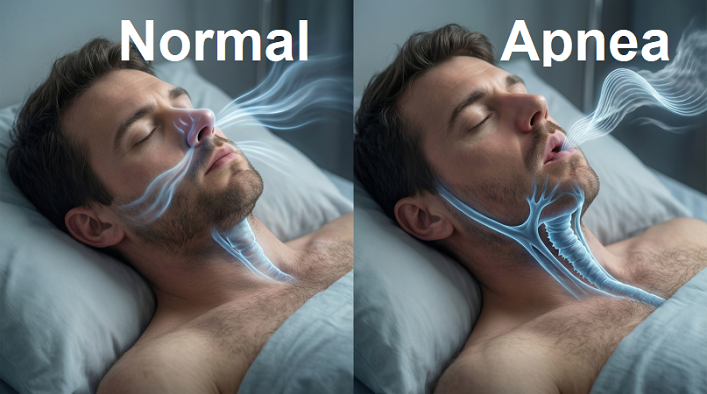
Sleep Apnea: A Comprehensive Guide to Better Sleep and Health
Last Updated on 02/05/2026 by Helal Medical
Sleep Apnea is a common but often undiagnosed sleep disorder that affects millions of people worldwide. Many patients believe that loud snoring or daytime sleepiness is harmless, without realizing that repeated pauses in breathing during sleep can have serious health consequences.
At Helal Medical Manila, we frequently encounter patients who suffer for years from poor sleep, fatigue, or uncontrolled blood pressure — only to discover that sleep apnea is the underlying cause. Understanding this condition is the first step toward better sleep, improved energy, and long-term health.
What Is Sleep Apnea?
It is a condition in which breathing repeatedly stops and starts during sleep. These pauses can last from a few seconds to over a minute and may occur dozens of times per hour.
There are three main types:
- Obstructive Sleep Apnea (OSA): Caused by airway collapse during sleeping
- Central: the issue is caused by poor brain signaling to breathing muscles
- Complex Sleep Apnea: A combination of both
The most common form is the obstructive sleep apnea, especially in adults.
Common Symptoms of Sleep Apnea: Are You at Risk?
Nighttime Symptoms
- Loud, chronic snoring
- Breathing pauses witnessed by a bed partner
- Gasping or choking during sleep
- Frequent nighttime awakenings
Daytime Symptoms
- Excessive daytime sleepiness
- Morning headaches
- Poor concentration and memory
- Irritability or mood changes
- Fatigue despite adequate sleep hours
If these symptoms persist, the case should be medically evaluated.
Health Complications of Untreated Sleep Apnea
Leaving this sleep-disorder untreated can lead to serious medical problems, including:
1. Heart Disease and High Blood Pressure
Repeated oxygen deprivation strains the heart and raises blood pressure, increasing the risk of heart attack and stroke.
2. Diabetes and Metabolic Disorders
Sleep apnea is strongly linked to insulin resistance and poor blood sugar control.
3. Brain and Mental Health Effects
Chronic sleep disruption may cause:
- Memory problems
- Depression
- Increased accident risk
4. Reduced Quality of Life
Poor sleep affects work performance, relationships, and overall well-being.
Diagnosis
Medical Evaluation
Diagnosis starts with:
- Detailed sleep and medical history
- Physical examination
- Assessment of risk factors (obesity, neck size, jaw structure)
Sleep Studies
The gold standard test is a sleep study (polysomnography), which measures:
- Breathing patterns
- Oxygen levels
- Heart rate
- Brain activity during sleep
Early diagnosis of sleep apnea prevents long-term complications.
Treatment Options: From CPAP to Lifestyle Changes
1. CPAP Therapy
Continuous Positive Airway Pressure (CPAP) is the most effective treatment for moderate to severe sleep apnea. It keeps the airway open during sleep.
2. Oral Appliances
Custom dental devices may help mild to moderate cases by repositioning the jaw.
3. Medical and Surgical Options
In selected cases, surgery may be considered to correct airway obstruction.
Treatment choice depends on severity, anatomy, and patient comfort.
Lifestyle Changes That Make a Big Difference
Lifestyle modification plays a crucial role in managing sleep apnea, especially in mild cases:
- Weight reduction
- Regular physical activity
- Avoiding alcohol before bedtime
- Quitting smoking
- Sleeping on your side
- Maintaining consistent sleep schedules
These changes can significantly improve symptoms and treatment success.
When Should You See a Doctor?
You should seek medical advice if you experience:
- Loud snoring with daytime sleepiness
- Breathing pauses during sleep
- Poor sleep despite adequate hours
- Uncontrolled blood pressure or diabetes
- Morning headaches or fatigue
At Helal Medical Manila, we provide comprehensive evaluation and guidance for sleep-related disorders in a professional and confidential setting.
Summary
Insomnia makes it hard to fall or stay asleep, leading to tiredness. Sleep apnea involves pauses in breathing during sleep, which can be dangerous for your heart and brain. Understanding the distinction between Insomnia vs Sleep Apnea is key to getting the right care. Addressing these issues early can greatly boost your sleep quality and energy levels.
🔗 Trusted External Sources (Clickable)
- Mayo Clinic –
https://www.mayoclinic.org/diseases-conditions - National Heart, Lung, and Blood Institute (NIH)
https://www.nhlbi.nih.gov/health/ - American Academy of Medicine
https://sleepeducation.org/sleep-disorders/
Read More from Helal Medical:
https://helalmedical.com/sleep-health-why-quality-sleep-is-essential-for-your-body-and-mind
The Science Behind Insomnia: How to Sleep Better
Melatonin for sleep well, benefits and side effects
The Long-Term Effects of Insomnia: What Happens to Your Body If You Don’t Sleep Enough
Discover more from Helal Medical Manila
Subscribe to get the latest posts sent to your email.

