
Swollen lymph Nodes: Causes, Symptoms, and Treatment Options
Last Updated on 03/17/2026 by DrHelal
Swollen lymph nodes can be a sign of an underlying health condition, mild or serious. The human body has a complex system of interconnected parts and functions, and the lymphatic system is one of them. It plays an essential role in maintaining your health. It is a network of vessels, organs, and nodes. This system helps the body fight infections and diseases. In this article, we’ll explore the causes, symptoms, and treatment options.
What are lymph nodes and the lymphatic system?
Lymph nodes are part of the lymphatic system. They are small, bean-shaped structures. They are located throughout the body. This includes the neck, armpits, groin, and behind the ears. They act as filters for lymph fluid, which carries waste products, toxins, and immune cells to everywhere in the body. The lymphatic system carries the lymph fluid and is made up of several components. These include vessels, organs like the spleen, thymus, and tonsils, and nodes.
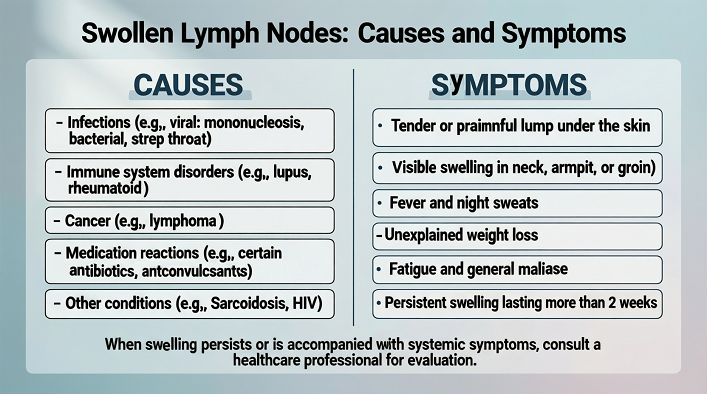
What causes swollen lymph nodes?
This condition can be caused by a wide range of factors, including:
- Infections:
Bacterial, viral, or fungal infections can cause swollen lymph nodes, such as strep throat, mononucleosis, and tuberculosis. - Immune system disorders:
It can be a result of some autoimmune disorders, such as lupus or rheumatoid arthritis. - Cancer:
Lymphoma and leukemia are two types of cancer are other causes. - Allergic reactions:
Such as allergies to foods, medications, or insect bites. - Other medical conditions:
This condition can also be a symptom of other medical conditions. It can be associated with HIV, Kawasaki disease, or sarcoidosis.
What are the symptoms of swollen lymph nodes?
The most common symptom is swelling. Additionally, the affected lymph nodes may feel tender to the touch and may be accompanied by other symptoms, such as:
- Pain or discomfort
- Redness or warmth in the affected area
- Fever
- Fatigue
- Night sweats
- Weight loss
- Difficulty breathing or swallowing (in rare cases)
laboratory tests for swollen lymph nodes:
Basic Tests
- CBC: Checks for infections, leukemia, and lymphoma.
- Metabolic Panel: Assesses liver and kidney function.
- LDH & Uric Acid: High levels may mean chronic issues.
- ESR & CRP: Detects inflammation.
Infection Screening
- Mono, HIV, Toxoplasmosis, CMV, Bartonella Tests: Checks for specific infections.
- TB Test: Rules out tuberculosis.
Further Steps
- Lymph Node Culture: Checks for bacterial, fungal, or viral growth.
- Lymph Node Biopsy: If other tests are unclear or cancer is suspected.
If needed, imaging like X-rays or CT scans might be done.
Treatment
The treatment depends on the underlying cause. In most cases, the swelling will go away on its own as the body fights off the infection or disease. However, if the swelling is severe or doesn’t go away on its own, your doctor may recommend treatment options such as:
- Antibiotics: If the swelling is caused by a bacterial infection, your doctor may prescribe antibiotics to help fight the infection.
- Pain relievers: Over-the-counter pain relievers such as acetaminophen or ibuprofen can help reduce pain and discomfort.
- Warm compresses: Applying a warm compress to the affected area can help reduce swelling and ease pain.
- Surgery: In some cases, surgery may be required to remove the swollen lymph node.
SUMMARY
Swollen lymph nodes can be a sign of an underlying health condition. They should be evaluated by a healthcare professional if they persist or are accompanied by other symptoms. The treatment for swollen lymph nodes depends on the underlying cause. In most cases, the swelling will go away on its own as the body fights off the infection or disease. If you’re experiencing swollen lymph nodes, make an appointment with your doctor to discuss the best treatment options for you.
SOURCES
- https://www.mayoclinic.org/diseases-conditions
- Lymphadenopathy: Symptoms, Treatment & Causes (medicinenet.com)
- https://www.healthline.com/health/swollen-lymph-nodes
If you suspect that you may have symptoms, Helalmedical can help, offering quick, private, and convenient testing options. You may contact us here: Facebook page.
Discover more from Helal Medical Manila
Subscribe to get the latest posts sent to your email.
