
The Essential Role of Vitamin D: More Than Just a Vitamin
Last Updated on 03/30/2026 by DrHelal
Updated: January 21, 2026 | By: Dr. Helal
The role of Vitamin D is unique because, strictly speaking, it is not a vitamin; it’s a prohormone. Unlike other vitamins which come solely from food, our bodies can produce Vitamin D. This occurs when the skin is exposed to sunlight. The form we get from both the sun and food is known as Vitamin D3 (Cholecalciferol).
As of 2026, the clinical consensus has shifted. We now recognize Vitamin D as a master regulator of the epigenome, influencing over 200 genes. Its importance extends far beyond bone health. It is essential for the health of the entire body. It supports immune resilience, cardiometabolic health, and cognitive function.
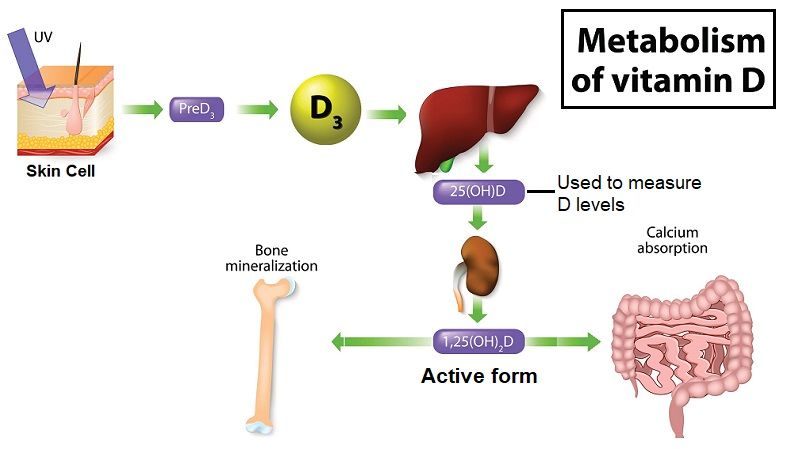
The Metabolism and Activation of Vitamin D
Vitamin D has no biological effect until it is chemically activated within the body. This activation process occurs in two primary steps:
- First Step (in the Liver):
VitaminD3 is converted into the circulating storage form, 25-hydroxyvitamin D (also known 25{OH}D and Calcidiol). - Second Step (in the Kidneys):
25{OH}D is converted into the biologically active hormone, 1,25-dihydroxy vitamin D (also known as Calcitriol). This is the active form that regulates body functions.
Control of Production
The liver produces 25{OH}D with only slight regulation. This means its blood level remains the “Gold Standard” indicator of your Vitamin D status from sun and diet. In contrast, the kidney conversion is precisely controlled by the enzyme 1alpha-hydroxylase. This enzyme is tightly regulated by Parathyroid Hormone (PTH) to maintain calcium balance.
Key Benefits: What the Evidence Shows in 2026
Vitamin D isn’t just one thing; it’s a group of fat-soluble vitamins. The two most important types for our bodies are Vitamin D2 (ergocalciferol) and Vitamin D3 (cholecalciferol). Here’s what they help your body do:
1. Bone Health
This is Vitamin D’s most famous job! It helps your body absorb calcium and phosphorus from the food you eat. These two minerals are like the building blocks for strong bones and teeth. Without enough Vitamin D, your body can’t use calcium effectively, which can lead to weak bones.
- For Kids: It helps prevent rickets, a condition where bones become soft and deformed.
- For Adults: It helps prevent osteoporosis, a condition where bones become weak and brittle, making them more likely to break. This is super important as we get older!
2. Boosting Your Immune System
Vitamin D plays a crucial role in making your immune system work better. It helps activate your body’s defense cells, like T-cells, which are vital for fighting off infections from viruses and bacteria. Getting enough Vitamin D might help you get sick less often!
3. Mood and Mental Health: Feeling Good!
There’s a growing amount of research showing a link between Vitamin D levels and mood. Some studies suggest that people with lower Vitamin D levels are more likely to feel down or even experience symptoms of depression. While it’s not a cure for depression, ensuring adequate Vitamin D levels might help support a better mood.
4. Muscle Function: Keeping You Moving
Vitamin D is also important for muscle strength. Low levels have been linked to muscle weakness, which can increase the risk of falls, especially in older adults.
5. Other Potential Roles
Scientists are still discovering all the amazing things Vitamin D does! Research is exploring its role in:
- Heart health
- Reducing inflammation
- Supporting healthy cell growth
Why is Deficiency Still Common?
Even in 2026, deficiency remains a global issue due to:
- Indoor Lifestyle:
Modern work environments limit sun exposure. - Skin Pigmentation:
Higher melanin levels require up to 3–5 times more sun exposure to produce the same amount of Vitamin D. - The “Sunscreen Paradox”:
While vital for preventing skin cancer, SPF 30 reduces Vitamin D synthesis by over 95%.
How to Get Enough Vitamin D
1. Precision Sunlight
Aim for 10–20 minutes of sun exposure on arms and legs at least three times a week. However, always be mindful of your skin type and UV index to prevent DNA damage.
2. Modern Diet & Supplementation
- Top Foods:
Wild-caught Salmon, Mackerel, and fortified plant-based milks. - Supplementation:
In 2026, we prefer “Precision D”, dosing based on your specific blood levels and body weight rather than a “one size fits all” approach.
Clinical Note:
If you are taking high-dose Vitamin D, modern protocols often recommend checking your Magnesium and Vitamin K2 levels, as these nutrients work together to ensure calcium goes into your bones and not your arteries.
Sources:
- Department of Health (DOH) Philippines: https://doh.gov.ph/ – Provides national health guidelines and information, which may include recommendations on nutrient intake.
- National Institutes of Health (NIH) – Office of Dietary Supplements: https://ods.od.nih.gov/factsheets/VitaminD-Consumer/ – A comprehensive overview of Vitamin D, its functions, and recommended intake.
- Mayo Clinic – Vitamin D: https://www.mayoclinic.org/drugs-supplements/vitamin-d-supplement/evidence/hrb-20060432 – Provides detailed information on Vitamin D, its benefits, and potential risks.
- Food and Nutrition Research Institute (FNRI) – Philippines: https://www.fnri.dost.gov.ph/ – Offers guidance on nutrition and food composition relevant to the Filipino diet.
If you suspect that you may have symptoms, Helal Medical can help, offering quick, private, and convenient testing options. You may contact us here: Facebook page
🔗 Connect with Helal Medical:
- Facebook: https://facebook.com/helalmedical
- Clinic & Lab (Manila): https://g.page/helalmedical
Read More About Vitamin D:
- Top 5 Causes of Vitamin D Deficiency
- Vitamin D Deficiency: Unraveling the Silent Epidemic
- Vitamin D 3 10 MCG (400 IU), Bottle
- 5 vitamins to repair your nerves
This article provides general information. Always consult with a healthcare professional for personalized medical advice.
Discover more from Helal Medical Manila
Subscribe to get the latest posts sent to your email.


