
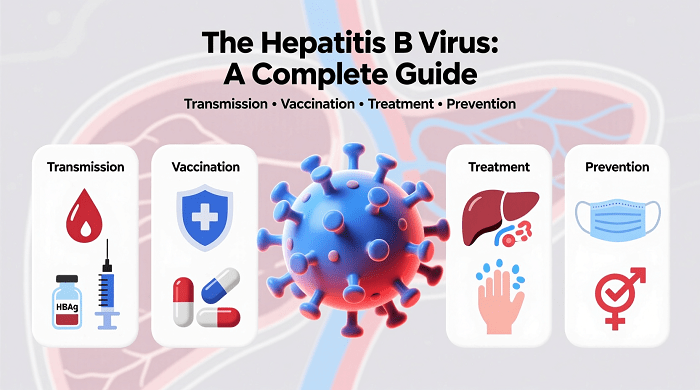
The Hepatitis B Virus: A Complete Guide to Protection and Treatment
Last Updated on 02/19/2026 by Helal Medical
The Hepatitis B Virus (HBV) is a significant worldwide health concern. It specifically targets the liver, causing an inflammatory condition called hepatitis B. This infection can occur as a short-term, mild sickness known as acute hepatitis B. However, for many people, it can develop into a serious, long-lasting chronic illness. This guide will explore everything you need to know. We will explain how the virus is spread, describe the common symptoms. Additionally, you will learn how you can prevent infection and the available treatment options. Understanding the Hepatitis B Virus is crucial for protecting your health and the health of those around you. If you want to read more about Viral Hepatitis, including detail about Liver damages click here!
What Exactly is the Hepatitis B Virus?
HBV is a DNA virus that primarily attacks the liver cells. It is one of five main types of hepatitis viruses, including A, C, D, and E. The severity of the illness caused by HBV varies greatly among individuals.
- Acute Hepatitis B: This is a short-term infection, often lasting only a few weeks. Most healthy adults who contract the virus will clear it naturally from their bodies. They will then develop lifelong immunity against future infection. Many people with acute infection show no symptoms at all, or only mild, flu-like symptoms.
- Chronic Hepatitis B: This condition is long-term. It occurs when the Hepatitis B Virus remains in the body for six months or longer. It is a serious condition that can lead to severe health complications over time. These include cirrhosis, which is liver scarring, and liver cancer. The risk of developing chronic infection is much higher in infants and young children. An estimated 254 million people worldwide are living with chronic hepatitis B.
How is the Hepatitis B Virus Transmitted?
HBV is spread through contact with infected blood, semen, or other bodily fluids. It is a highly contagious virus, much more so than HIV. Transmission occurs when these fluids enter the body of a person who is not infected.
The most common ways the Hepatitis B Virus is spread include:
- Perinatal Transmission (Mother-to-Child): This is the most common route of transmission in highly endemic areas. A pregnant woman with HBV can pass the virus to her baby during birth. This risk is very high without proper intervention at delivery.
- Sexual Contact: The virus can be transmitted through unprotected sex with an infected partner. This includes oral, vaginal, and anal sex.
- Shared Needles and Injection Equipment: Sharing needles, syringes, or other equipment used for injecting drugs is a major risk factor.
- Exposure to Contaminated Sharps: Healthcare workers are at risk through accidental needle-stick injuries. Similarly, exposure can occur from contaminated instruments used for tattooing or piercing.
- Household Contact: Sharing household items that can have traces of blood, like razors or toothbrushes, can spread the virus. HBV is not spread through casual contact, as hugging, coughing, sneezing, or sharing eating utensils.
Recognizing the Symptoms of Hepatitis B
Many newly infected people, especially young children, show no symptoms initially. When symptoms do start, they usually occur between 60 and 150 days after infection. Symptoms of an acute infection can range from mild to severe and include:
- Fever and feeling generally unwell (malaise).
- Profound fatigue and weakness that persists.
- Loss of appetite, nausea, and vomiting.
- Pain or tenderness in the abdomen, especially the liver area.
- Jaundice, which is a yellowing of the skin and eyes.
- Dark urine and light or clay-colored bowel movements.
- Pain in the muscles and joints.
For those with chronic Hepatitis B Virus infection, many people are asymptomatic for decades. They do not know they are infected until they develop serious liver disease. Regular screening is vital for early detection in high-risk groups.
Prevention: The Power of the Hepatitis B Vaccine
The single best way to prevent the Hepatitis B Virus infection is through vaccination. The hepatitis B vaccine is safe, highly effective, and provides long-term protection.
The World Health Organization (WHO) strongly recommends that all infants get the vaccine. The first dose should be given as soon as possible after birth, ideally within 24 hours. The vaccine series typically consists of two, three, or four shots administered over several months. You can find detailed recommendations from authoritative sources like the Centers for Disease Control and Prevention (CDC). For more information, visit the CDC’s Hepatitis B Vaccine page.
Besides newborns, vaccination is recommended for:
- All un-vaccinated children and adolescents.
- Adults up to age 59 who have not been vaccinated.
- Adults 60 years or older with risk factors for infection.
- People who have multiple sexual partners.
- Individuals who share needles or injection equipment.
- Healthcare and public safety workers at risk of blood exposure.
- People with chronic liver or kidney disease.
Practicing safe habits also significantly reduces your risk of transmission. This includes using barrier methods like condoms during sexual activity. You should never share needles, syringes, or personal grooming items.
Diagnosing and Treating Chronic Hepatitis B
Diagnosis of the Hepatitis B Virus is confirmed through simple blood tests. These tests look for specific viral antigens and antibodies in the bloodstream. If you are diagnosed, your doctor will know if your infection is acute or chronic.
There is no specific cure for acute hepatitis B; treatment focuses on managing symptoms. This includes rest, hydration, and maintaining a healthy, balanced diet. The body usually clears the virus on its own in the acute phase.
Chronic HBV infection often requires ongoing treatment. Antiviral medications are available that can suppress the virus and prevent liver damage. These oral medications include tenofovir or entecavir. They can significantly slow the progression of cirrhosis. They also reduce the risk of liver cancer. Most people who start this treatment must continue it for life. For more detailed information on treatments and guidelines, consult the World Health Organization (WHO) recommendations on hepatitis B treatment.
Summary: Taking Control of Hepatitis B
The Hepatitis B Virus remains a global health challenge. However, it is a largely preventable and manageable condition. Awareness is your first line of defense against the disease. Vaccination is the most powerful tool we have for prevention, offering lifelong protection. For those with chronic infection, effective antiviral treatments can control the virus. Early diagnosis through testing is key to a positive long-term outcome. Please remember to consult a healthcare provider for testing and vaccination advice.
Was this “article” helpful? Share! And subscribe to our website so you never miss new health article! Any concerns? Contact us at Helal Medical today.
Discover more from Helal Medical Manila
Subscribe to get the latest posts sent to your email.


