
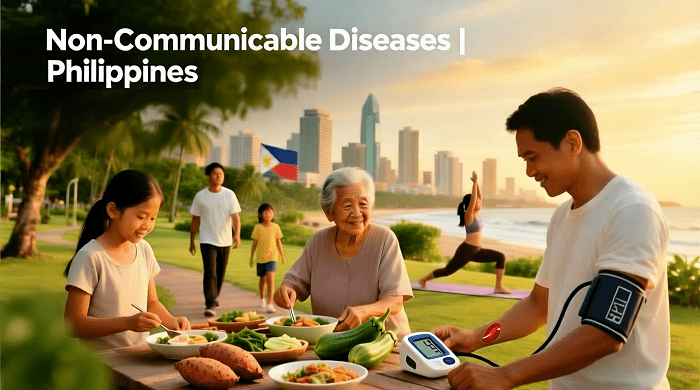
The Silent Threat: How Filipinos Can Fight Non-Communicable Diseases (NCDs)
Last Updated on 02/23/2026 by Helal Medical
In the Philippines, we are renowned for our warmth, resilience, and vibrant culture. However, beneath this surface lies a serious health challenge: the growing burden of Non-Communicable Diseases (NCDs).
NCDs—diseases that are not passed from person to person—are often referred to as a “silent epidemic.” This is because they develop slowly, often without noticeable symptoms, until they reach a life-threatening stage. Think of them as chronic conditions like heart disease, cancer, diabetes, and chronic lung diseases.
According to the Department of Health (DOH), Non-Communicable Diseases lead as causes of death in the country. Local statistics confirm this. This isn’t just a global statistic; it’s a profound, local issue affecting Filipino families, livelihoods, and our healthcare system. The good news? These diseases are largely preventable. Understanding the risks is the first step toward taking control of your health journey.
What Makes NCDs Such a Big Problem in the Philippines?
The prevalence of Non-Communicable Diseases is rooted in a combination of lifestyle, diet, and environmental factors common in the country:
1. The Filipino Diet Transition
Traditional Filipino food has many healthy elements. However, modern dietary choices often include a high intake of processed foods. There are also high-sodium preparations like sauces and instant meals. Critically, there is a high consumption of sugary beverages.
These factors fuel rising rates of obesity and Type 2 Diabetes. Our love for comfort food can sometimes lead us to consume more calories, saturated fat, and salt than necessary. This can result in hypertension (high blood pressure).
2. Sedentary Lifestyle
As urbanization increases and work becomes more desk-bound, more Filipinos engage in jobs or activities that require prolonged sitting. This lack of physical activity is a direct risk factor for heart disease and diabetes.
3. Tobacco Use and Air Pollution 💨
Tobacco use remains a leading cause of lung cancer. It also causes Chronic Obstructive Pulmonary Disease (COPD) and cardiovascular diseases, despite strong anti-smoking laws. Furthermore, high levels of air pollution in urban centers can exacerbate chronic respiratory problems, adding to the NCD burden.
The Top 4 NCD Killers in the Philippines
To effectively fight this silent threat, we must know the primary NCDs responsible for the highest number of premature deaths in the country:
- Ischemic Heart Disease (Heart Attack):
This has consistently been the number one killer in the Philippines. It is largely driven by high blood pressure, high cholesterol, and uncontrolled diabetes. - Cerebrovascular Disease (Stroke):
Stroke closely follows heart disease. It is often a direct result of uncontrolled Hypertension (high blood pressure). This condition is highly linked to high sodium intake. - Malignant Neoplasms (Cancer):
Various cancers, particularly lung, breast, liver, and colon cancer, collectively rank highly. Lifestyle factors, environmental exposure, and delayed screening play a huge role. - Diabetes Mellitus:
The surge in diabetes cases is alarming. This condition is dangerous because it damages blood vessels. This damage leads to complications like kidney failure. These complications have dramatically increased the need for dialysis among Filipinos.
The Financial Burden of NCDs
Beyond the toll on lives, Non-Communicable Diseases also pose a massive financial threat. The chronic nature of NCDs means long-term medication, frequent check-ups, and potential hospitalizations. Studies have shown that managing NCDs can lead to significant out-of-pocket expenses for Filipino households, sometimes leading to financial hardship. This is why prevention is not just a health choice—it’s an economic necessity.
Your Filipino-Friendly Action Plan: Prevention is Key
The power to reduce the risk of Non-Communicable Diseases is largely within your hands. It’s not about radical change, but about sustainable, culturally-appropriate shifts.
1. Focus on “Puno at Dahon” (Fruits and Vegetables) 🥗
- The Change: Balance the high-carb staples (rice) with plenty of locally available, fiber-rich vegetables (malunggay, kangkong, talong) and fruits.
- The Goal: Aim for at least five servings of fruits and vegetables daily to lower cholesterol and blood pressure.
- Limit: The “pusit, tapa, tuyo” (dried/preserved foods) which are delicious but extremely high in sodium, directly contributing to hypertension.
2. Move Your Body the Filipino Way 🚶♀️
- The Change: Integrate movement into your day. Take the stairs, walk to the palengke (market), or engage in simple chores like gardening or sweeping.
- The Goal: At least 30 minutes of moderate-intensity activity most days of the week.
3. Know Your Numbers: Get Screened 🩺
Many Non-Communicable Diseases are silent. The only way to catch them early is through regular screening. The government strongly promotes the Philippine Package of Essential Noncommunicable Disease Interventions (PhilPEN) protocol for primary care.
- Check-Ups: Talk to your doctor or visit your local health center (Barangay Health Center).
- Key Numbers: Get your blood pressure, blood sugar (fasting glucose), and cholesterol checked regularly. This helps diagnose prediabetes or hypertension before they become full-blown diseases.
4. Prioritize Stress and Sleep (The Filipino Time-Out) 🛌
Chronic stress elevates blood pressure and inflammation, contributing directly to NCDs.
- The Change: Give yourself permission to rest. Connect with family and friends (kwentuhan)—social connection is a vital stress reliever. Get 7-9 hours of quality sleep.
5. Stop Smoking (or Never Start) 🚫
If you use tobacco products, seek professional help. This is the single most effective action to dramatically lower your risk of Non-Communicable Diseases.
Resources and Next Steps
Taking charge of your health can feel overwhelming, but you are not alone. The government provides programs to support Filipinos in fighting Non-Communicable Diseases:
- DOH Healthy Filipinas:
Learn more about the national health campaigns. Explore fact sheets on specific NCDs like cancer and stroke. Find practical tips for a healthy life.- Department of Health Philippines Official Website – NCD Info
- PhilHealth NCD Coverage:
Understand your coverage for NCD and management through the Primary Care Benefit (PCB). Also, the specific case rates (e.g., for dialysis or chemotherapy). - DOH National Quitline:
If you are ready to quit smoking, free, confidential counseling is available.- Clickable Link 3: DOH National Quitline for Smoking Cessation (Call 165-364 or Text STOPSMOKE to 29290165364)
Summary
The battle against Non-Communicable Diseases is a collective effort, but it begins with you. Embrace conscious, positive choices today for your diet and physical activity. Adjust your habits for better health. These changes are direct investments in a healthier, longer, and more vibrant future for you and your family. Don’t wait for a diagnosis—start living well now.
If you suspect that you may have symptoms, Helal Medical can help, offering quick, private, and convenient testing options. You may contact us here: Facebook page
Discover more from Helal Medical Manila
Subscribe to get the latest posts sent to your email.

