
Top 5 Causes of Vitamin D Deficiency
Last Updated on 03/30/2026 by DrHelal
Causes of Vitamin D deficiency are varied, understanding them is essential for you to take proactive steps toimprove its levels. Vitamin D is vital for overall health. It supports bone health and immunity.
Simple blood test could reveal a hidden deficiency impacting your energy and mood. Addressing this deficiency could transform your health. Keep reading to discover the top 5 causes of vitamin D deficiency.
In this article, we will explore the top 5 Causes of Vitamin D deficiency. We will also discuss symptoms and solutions. Our goal is to help you optimize your vitamin D levels.
Understanding Vitamin D
Vitamin D is a fat-soluble vitamin. It is crucial for calcium absorption. It also supports bone health. Vitamin D boosts the immune system. It reduces inflammation.
Why Is Vitamin D Important?
Vitamin D is super important because it helps our bodies absorb calcium, which keeps bones strong! It also supports other vital function explained below
1. Bone Health: calcium absorption, preventing conditions like rickets and osteoporosis.
2. Immune Function: Supports and helps regulate immune responses.
3. Reduces Inflammation: Decrease swelling and irritation .
4. Mood and Mental Health: Production of mood-boosting neurotransmitters like serotonin and dopamine.
Read more about vitamin D: The Essential Role of Vitamin D: More Than Just a Vitamin
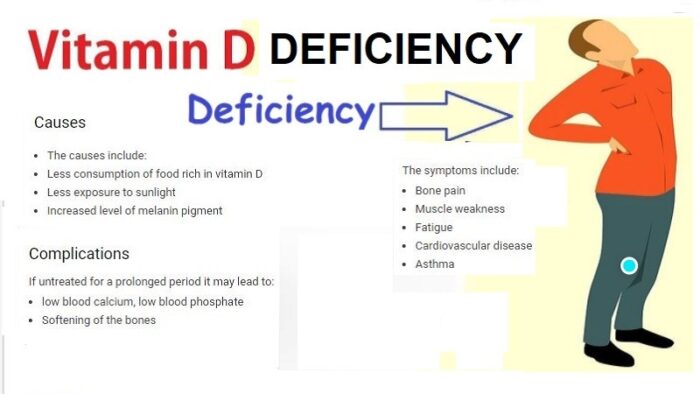
Top 5 Causes of Vitamin D Deficiency
- Lack of Sun Exposure:
- Poor Diet:
Lack of dietary intake is an important cause of the deficiency. You must eat enough vitamin D-rich foods. These include fatty fish, eggs, or fortified milk. This ensures you are getting enough of this essential vitamin. - Malabsorption or less absorption.
Medical Conditions:
Certain medical conditions can also contribute to vitamin D deficiency. These include celiac disease, Crohn’s disease, or kidney disorders. If we will discuss medical causes later in more detail. - Medications:
Certain medications, such as anticonvulsants or glucocorticoids, can interfere with the body’s ability to absorb vitamin D. - Less production (Aging):
When we get older our bodies become less efficient at producing vitamin D. This can put older adults at greater risk for deficiency and related health problems.
Insufficient Sun Exposure
This is by far the most significant cause. Our bodies produce vitamin D when skin is exposed to UVB rays from sunlight. However, various factors limit this natural production:
- Geographic Location: People living far from the equator are at higher risk. UVB intensity is lower there, especially in winter months.
- Time of Day/Year: Midday sun (10 AM to 3 PM) provides the most potent UVB. During winter or early/late hours, the sun’s angle reduces UVB penetration.
- Skin Pigmentation: Melanin, the pigment that gives skin its color, acts as a natural sunscreen. Individuals with darker skin tones need much more sun exposure. They need this to produce the same amount of vitamin D as lighter-skinned individuals.
- Sunscreen Use: Sunscreen is crucial for preventing skin cancer. However, sunscreen with an SPF of 15 or higher blocks over 90% of vitamin D production.
- Indoor Lifestyles: Spending most of our time indoors reduces incidental sun exposure.
- Clothing: Covering most of the skin limits sun exposure.
Malabsorption or less absorption
Certain medical conditions can impair the absorption of fat-soluble vitamins, including vitamin D:
Crohn’s Disease, Celiac Disease, Cystic Fibrosis: These conditions affect the small intestine’s ability to absorb nutrients.
Bariatric Surgery: Gastric bypass or other weight-loss surgeries can alter the digestive tract, leading to malabsorption.
Kidney and Liver Diseases: These organs are crucial for converting vitamin D into its active form (calcitriol).
Chronic Kidney Disease: Impairs the kidneys’ ability to convert vitamin D.
Liver Disease: Affects the liver’s capacity to produce 25-hydroxyvitamin D.
Obesity: Obese individuals often have lower circulating vitamin D levels. Vitamin D is stored in fat cells, which can sequester it, making it less bioavailable to the body. They may require higher doses of supplementation.
Certain Medications: Some drugs can interfere with vitamin D metabolism or absorption:
Anticonvulsants (e.g., phenytoin, phenobarbital): Can increase vitamin D breakdown.
Glucocorticoids (e.g., prednisone): May decrease calcium absorption and interfere with vitamin D metabolism.
Cholesterol-lowering drugs (e.g., cholestyramine): Can reduce fat absorption, impacting vitamin D.
Weight-loss drugs (e.g., orlistat): Reduce fat absorption.
Age: As we age, our skin’s ability to synthesize vitamin D from sunlight decreases. Kidney function may decline. This further impacts the conversion to its active form.
How Much Vitamin D Do You Need?
Medical conditions causing vitamin D deficiency
Medical conditions can contribute to vitamin D deficiency in a number of ways. Certain conditions can affect the body’s ability to absorb or convert vitamin D, leading to lower levels in the blood. Others may interfere with the metabolism or storage of vitamin D. This interference causes vitamin D to be excreted from the body more quickly. Here are some medical conditions that can increase the risk of vitamin D deficiency:
- Celiac Disease:
Celiac disease is an autoimmune disorder that affects the small intestine. People with celiac disease may have difficulty absorbing nutrients from food, including vitamin D. - Inflammatory Bowel Diseases:
Inflammatory bowel diseases (IBD), such as Crohn’s disease or ulcerative colitis, can interfere with nutrient absorption. This includes vitamin D in the digestive tract. - Kidney Disease:
The kidneys have an important role. They convert vitamin D into its active form. This active form is needed for proper calcium absorption and bone health. If the kidneys are not functioning properly, this process may be disrupted, leading to vitamin D deficiency. - Liver Disease:
The liver is responsible for converting vitamin D into its active form as well. If the liver is damaged, this process may be impaired. It can also be affected if the liver is not functioning properly. This leads to lower levels of active vitamin D in the blood. - Obesity:
Vitamin D is a fat-soluble vitamin, which means it is stored in fat cells in the body. Obese individuals may have lower levels of vitamin D in the blood. This is due to a higher volume of fat cells. These fat cells can trap vitamin D and make it less available for use. - Cancer:
Certain cancers, such as breast, colon, and prostate cancer, have been associated with lower levels of vitamin D. Researchers believe this may be due to the body’s increased demand for vitamin D during periods of rapid cell growth.
| Medical Condition | Description | Organ | |
|---|---|---|---|
| Celiac Disease | An autoimmune disorder. | small intestine. | Malabsorption. |
| Inflammatory Bowel Disease | Can cause inflammation. | digestive tract | malabsorption |
| Kidney Disease | Impaired conversion of vitamin D into active form | Kidney | Less active form |
| Liver Disease | interfere with the conversion of vitamin D into active form | Liver | Less active form |
| Obesity | Vitamin D is stored in fat cells. lower levels in the blood | Fat cells | Low vitamin D in blood |
| Cancer | Some cancers are associated increased vitamin D demand | Low vitamin D in blood |
How can some medications cause deficiency?
Because they can interfere with the absorption of vitamin D, making it more difficult for the body to use it. Here are some ways that medications can decrease vitamin D absorption:
- Blocking Absorption:
Certain medications, such as antacids, can interfere with the absorption of vitamin D in the digestive tract. They reduce the acidity of the stomach, which is needed to absorb vitamin D properly. - Increasing Excretion:
Vitamin D is needed for proper calcium absorption. Some medications, such as diuretics, can increase the excretion of calcium from the body. They consume vitamin D in this process. - Interfering with Metabolism:
Medications, such as glucocorticoids, can interfere with the conversion of vitamin D into its active form. This can lead to lower levels of active vitamin D in the blood. These lower levels can contribute to bone loss and other health problems. - Competing for Receptors:
Some medications, such as cholesterol-lowering drugs, can compete with vitamin D for receptors in the body. This can make it more difficult for the body to use vitamin D effectively.
SUMMARY
Vitamin D deficiency is a common issue that can cause a range of unpleasant symptoms. Understand the top causes of deficiency first. Then, you can take steps to ensure you’re getting enough vitamin D through diet, sunlight, and other sources.
Talk to your doctor if you have concerns about your vitamin D levels. You should also consult your doctor if you want to explore ways to optimize your health and wellness.
SOURCES
- Vitamin D (clevelandclinic.org)
- Vitamin D (healthline.com)
- National Institutes of Health (NIH) – Office of Dietary Supplements: Vitamin D Fact Sheet for Health Professionals: https://ods.od.nih.gov/factsheets/VitaminD-HealthProfessional/ – Provides detailed scientific information on Vitamin D.
- World Health Organization (WHO) – Vitamin D: https://www.who.int/ (Search for Vitamin D information on their site) – Offers global perspectives on nutrition and health
If you suspect that you may have symptoms, Helal Medical can help, offering quick, private, and convenient testing options. You may contact us here: Facebook page
🔗 Connect with Helal Medical:
- Facebook: https://facebook.com/helalmedical
- Clinic & Lab (Manila): https://g.page/helalmedical
Read More About Vitamin D:
- The Essential Role of Vitamin D: More Than Just a Vitamin
- Vitamin D Deficiency: Unraveling the Silent Epidemic
- Vitamin D 3 10 MCG (400 IU), Bottle
- 5 vitamins to repair your nerves
This article provides general information. Always consult with a healthcare professional for personalized medical advice.
Discover more from Helal Medical Manila
Subscribe to get the latest posts sent to your email.


