
Understanding Blood Pressure Numbers: What Every Filipino Should Know
Last Updated on 03/17/2026 by DrHelal
Introduction: Why Blood Pressure Matters to Filipinos
High blood pressure, or hypertension, is one of the most common health problems in the Philippines — yet often ignored. Many Filipinos learn they have high blood pressure only during a routine check-up for another issue. Unfortunately, some find out after suffering a stroke or heart attack.
Understanding your blood pressure numbers can save your life. It’s a simple test. It tells you how hard your heart works to pump blood. It also indicates whether your arteries are under dangerous strain. (Source: Department of Health – Hypertension Control Program)
What Do the Numbers Mean?
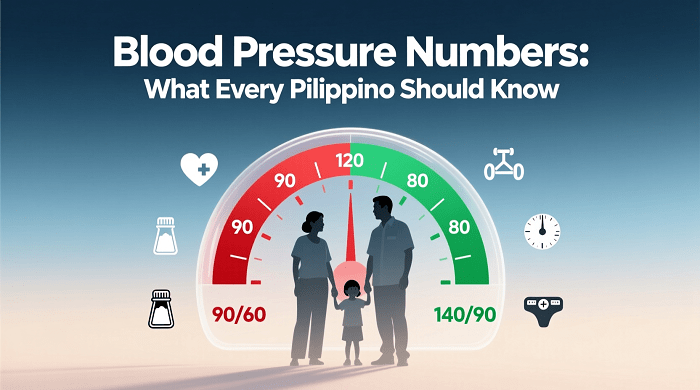
Blood pressure readings have two numbers — systolic (top) and diastolic (bottom), measured in millimeters of mercury (mmHg).
| Category | Systolic (mmHg) | Diastolic (mmHg) |
|---|---|---|
| Normal | Less than 120 | Less than 80 |
| Elevated | 120–129 | Less than 80 |
| Hypertension Stage 1 | 130–139 | 80–89 |
| Hypertension Stage 2 | 140+ | 90+ |
| Hypertensive Crisis | 180+ | 120+ |
Even small increases raise your risk of heart disease, kidney damage, and stroke — all major health concerns among Filipinos. (Source: World Health Organization – Hypertension Facts)
Prevalence in the Philippines
According to the Philippine Heart Association (PHA), 1 in 4 Filipino adults has hypertension, and the numbers are rising. Sedentary lifestyles, salty diets, and stress contribute heavily to this trend.
The Department of Health (DOH) reports that hypertension is a leading risk factor for death and disability in the country, yet many remain unaware or untreated. (Source: Philippine Heart Association – Hypertension Data)
Common Causes and Risk Factors
- High-salt diets (common in Filipino food like tuyo, bagoong, and instant noodles)
- Lack of exercise
- Obesity or overweight
- Smoking and excessive alcohol
- Genetics and age
- Stress from work and financial pressures
Regular lifestyle adjustments — like walking daily and eating more vegetables — can significantly reduce risk. (Source: Harvard Health – Blood Pressure and Lifestyle Changes)
How to Monitor Blood Pressure at Home
Every Filipino family should own a digital blood pressure monitor. Here’s how to do it correctly:
- Sit quietly for 5 minutes before measuring.
- Keep your arm level with your heart.
- Take 2 readings, one minute apart, and record the average.
- Monitor at the same time each day.
Keeping a BP log helps your doctor assess trends and adjust medications if necessary. (Source: American Heart Association – How to Measure Blood Pressure)
DOH Guidelines and Community Action
The DOH Hypertension Control Program promotes early detection through Barangay Health Centers, which offer free BP screening.
Community education campaigns such as “Healthy Pilipinas” encourage Filipinos to reduce salt, stay active, and avoid tobacco. (Source: DOH – Healthy Pilipinas)
What to Do If You Have High Blood Pressure
- Consult your doctor regularly.
- Take prescribed medication consistently.
- Avoid self-medicating or stopping treatment abruptly.
- Maintain a healthy weight.
- Stay hydrated and sleep well.
Lifestyle changes — not just medicine — are key to long-term blood pressure control. (Source: Mayo Clinic – Hypertension Treatment)
Summary: Take Charge of Your Blood Pressure Today
Blood pressure in the Philippines is a growing public health concern, but it’s manageable through awareness and early action. Know your numbers, live a heart-healthy lifestyle, and seek professional help early.
At Helal Medical in Manila, we help Filipinos take charge of their heart health through regular screening and education — because prevention always beats cure.
Discover more from Helal Medical Manila
Subscribe to get the latest posts sent to your email.


