
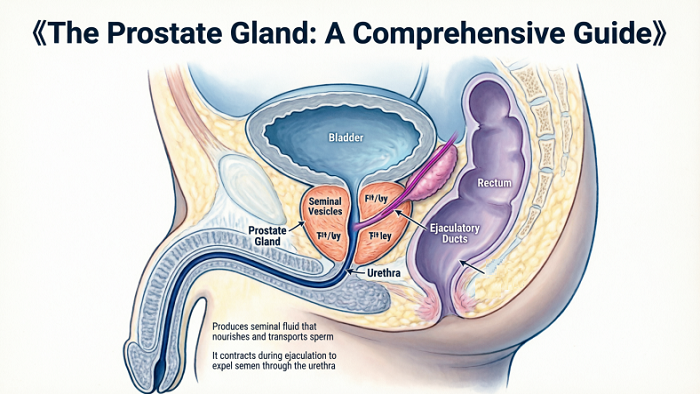
The Prostate Gland: A Comprehensive Guide
Last Updated on 02/17/2026 by Helal Medical
The prostate gland is vital for male health. It is a small gland, walnut-shaped. It plays a key role in reproduction. Understanding the prostate is important. Men can then protect their health.
Understanding this gland could improve your life and the proactive care could prevent serious health issues. Keep reading to unlock the secrets of prostate health.
In this article, we will explore the prostate gland, its function, common issues, prevention and treatment. You will learn how to maintain its health through lifestyle changes and regular screening. You may want to read more about Prostate Health!
What is the Prostate gland?
The prostate gland is a walnut-sized gland located in the male reproductive system. It is located in the male pelvis, right below the bladder. It surrounds the urethra, the tube that carries urine from the bladder out of the body. The prostate is in front of the rectum, which is why doctors can sometimes examine it during a rectal exam. Its position is crucial for urinary and reproductive functions!
The prostate is important for male fertility and sexual function, but it can be impacted by various conditions. These include prostate cancer, BPH, and prostatitis, which can affect overall health and cause discomfort.
To maintain the health of the prostate gland, it is important to be aware of its role, symptoms, and conditions. This can be achieved through lifestyle changes and regular screening. In this article, we will discuss these topics in more detail.
Functions of the prostate gland
Its main function is to produce and secrete the fluid that mixes with sperm to form semen during ejaculation. The prostate gland forms about 20% of seminal fluid.
- Production of Prostatic Fluid.
The prostate’s primary function is to produce prostatic fluid, a vital component of semen that nourishes and protects sperm. This fluid contains enzymes, zinc, and citric acid, which help maintain sperm health and lubricate the urethra. The alkaline nature of prostatic fluid helps neutralize the acidic environment of the vagina. This action prolongs sperm lifespan and increases the chances of successful fertilization. - Ejaculation help.
Muscles in the prostate contract to help propel semen into the urethra during ejaculation. This forceful expulsion aids in the delivery of sperm deep into the vagina. [Source from Cleveland clinic: Prostate] - Production of Prostate-Specific Antigen (PSA).
The prostate produces PSA, an enzyme that helps to liquefy semen, which allows sperm to move more freely. PSA levels are monitored as a potential indicator of prostate health. Elevated levels might indicate prostate cancer or other prostate disorders. - Regulation of Urine Flow.
The prostate helps control urine flow by preventing urine from leaving the bladder until urination is desired. It ensures that urine does not mix with sperm during ejaculation. - Hormone Support.
The prostate supports the activity of testosterone. It contributes to the production of dihydrotestosterone (DHT) that hormone plays a role in male sexual drive. [Siloam hospitals: Function of the prostate] - Potential Protection Against UTIs.
Prostate secretions may help protect the urethra from urinary tract infections (UTIs)
Common Prostate Conditions
Prostate problems are common in men: prostatitis (inflammation of the prostate), benign prostatic hyperplasia (BPH), and prostate cancer.
Symptoms of Prostate Illness
Prostate disease symptoms include difficulty urinating and frequency, weak or interrupted urine flow, and blood in the urine or semen. The patient may also experience pain or discomfort in the pelvic area.
Prostate Cancer is the most common cancer in men. It can be detected through a combination of a prostate-specific antigen (PSA) blood test and a digital rectal exam. Treatment for prostate cancer includes surgery, radiation therapy, or hormone therapy, depending on the stage and severity of the cancer.
Prostate Health Tips
- Exercise regularly
- Healthy diet
- Stay hydrated
- Get screened regularly:
Regular prostate examinations and PSA tests can help early detection of prostatic problems. That time, they are more easily treatable. - Practice safe sex to avoid STDs
Prostate Screening Guidelines
Screening for prostate cancer is important for early detection and successful treatment. Men should talk to their healthcare provider about when to start screening and how often to get screened. Men at higher risk, such as those with a family history of prostate cancer, may need to start screening at an earlier age.
SUMMARY
Understanding the prostate gland and taking steps to maintain prostate health, can help men reduce their risk of prostate problems. Moreover, it can improve overall health and well-being. Regular screening, particularly for prostate cancer, is also important for early detection and successful treatment of this dangerous condition. Talk to your healthcare provider about your prostate health and what you can do to stay healthy.
SOURCES
https://my.clevelandclinic.org/health/body/23965-prostate
Read More About Prostate:
- Prostate Diseases Classification
- Preventing Prostate Diseases: Tips and Advice
- Prostate Cancer vs BPH: Early Signs
- Risk of Prostate Problems: How to Reduce
- Prostate Cancer: Understanding the Silent Battle Within
- Prostate Cancer: Advances and Strategies for a Healthier Future
- Prostate Health: Early Signs You Should Never Ignore
- Understanding Benign Prostatic Hyperplasia (BPH) Treatment with Medications
- Benign Prostatic Hyperplasia (BPH): definition, Causes, Symptoms, impact on daily life, Treatments and prevention
Discover more from Helal Medical Manila
Subscribe to get the latest posts sent to your email.


