
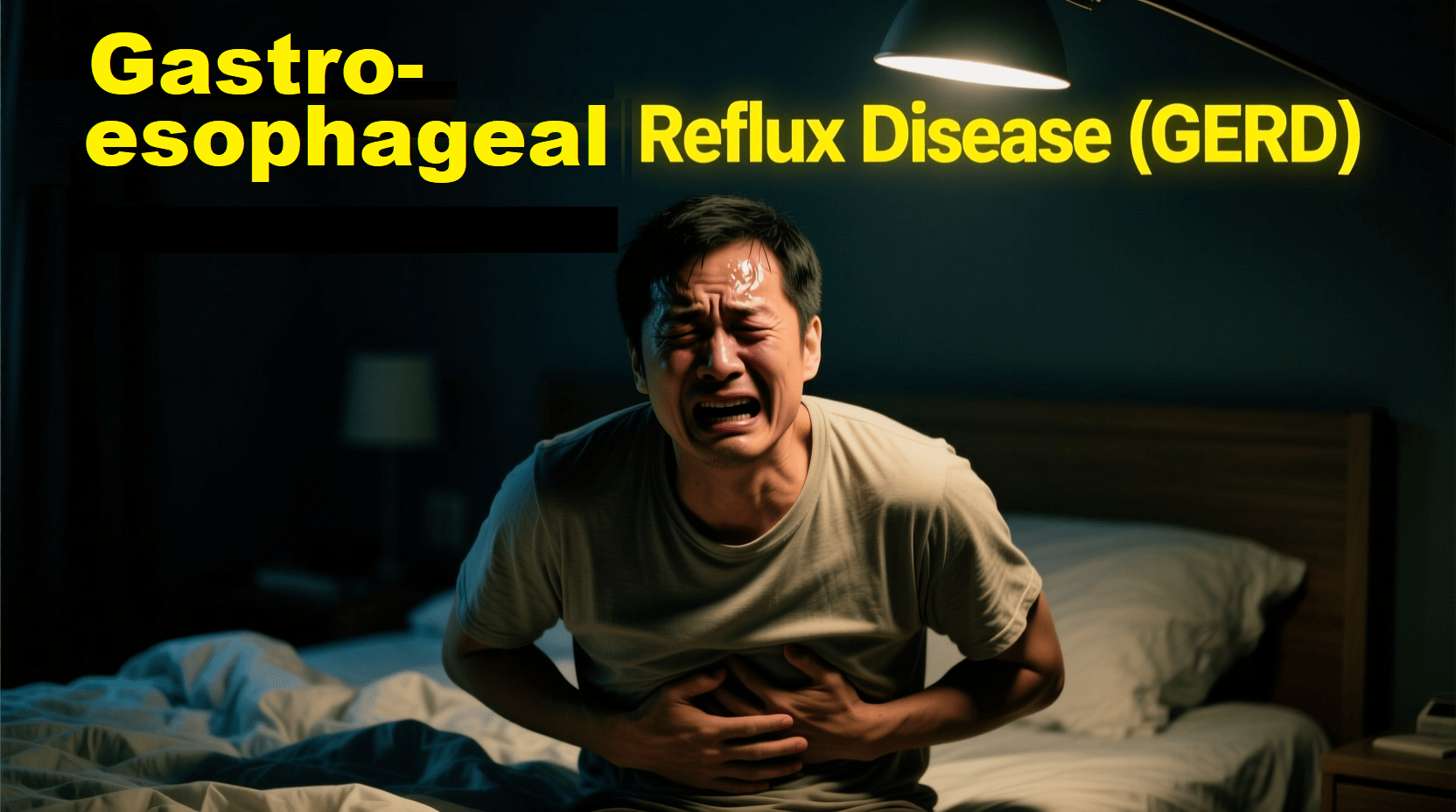
What Causes Gastroesophageal Reflux Disease (GERD)? — A Guide for Filipinos
Last Updated on 03/17/2026 by DrHelal
Many of us have felt heartburn, acid after meals, or burping once in a while. But if these symptoms keep coming frequently, you may have Gastroesophageal Reflux Disease (GERD). They often occur after eating or when lying down. This article explains clearly the causes of GERD. It discusses why some people are more likely to get it. It also covers which habits make it worse. By knowing the root causes, you and your loved ones can take steps to prevent or manage it.
How GERD Happens — The Role of the Sphincter and Stomach Acid
Our digestive system has a protective valve. It’s called the lower esophageal sphincter (LES). This valve is a circular muscle at the bottom of the esophagus (the “food pipe”). Normally, when you swallow food or drink, the LES opens so contents go into the stomach. Then it closes, preventing stomach acid and food from flowing backwards. (Mayo Clinic)
In GERD, this valve doesn’t work properly. It may be weakened, or relax when it should stay shut. As a result, acid and digestive fluids from the stomach go back (reflux) into the esophagus. The esophagus doesn’t have the same protective lining as the stomach. Acid irritates it, causing burning. It also leads to inflammation and other discomfort. (MSD Manuals)
If this happens once or twice after heavy meals, it might be a simple upset. But when reflux becomes frequent (weeks or months) — that’s when GERD develops. (Mayo Clinic)
Major Causes & Risk Factors of GERD
GERD usually doesn’t have just one cause. A mix of factors — body, lifestyle, what you eat — can combine to trigger it. Here are the most common ones:
1. Weakened or Malfunctioning LES (Valve Problem)
As mentioned, if the LES doesn’t close properly after eating, stomach acid can escape into the esophagus. This malfunction is the primary cause of GERD. (Healthline)
2. Hiatal Hernia
A medical condition called Hiatal hernia can interfere with the LES function. This condition occurs when part of the stomach pushes up into the chest through the diaphragm. This increases the risk of reflux. (Mayo Clinic)
3. Excess Body Weight or Obesity
Excess weight, especially around the belly, can put pressure on the stomach. This pressure can push acid upward. As a result, reflux becomes more likely. Many studies link being overweight to higher rates of GERD. (Healthline)
4. Pregnancy
Pregnant women often get acid reflux. Hormonal changes can weaken the LES. The growing uterus pushes on the stomach and increases stomach pressure. (Healthline)
5. Certain Foods, Drinks & Eating Habits
What and how you eat matters:
- Large or heavy meals — especially rich, fatty, fried, or spicy foods — can cause reflux. (Mayo Clinic)
- Eating late at night reduces the effect of gravity that helps keep stomach acid down. Lying down soon after meals has the same effect. (MSD Manuals)
- Drinks like coffee, alcohol, carbonated beverages can trigger acid reflux. Chocolate, mint, citrus or tomato-based foods may also worsen symptoms for some people. (Healthline)
6. Smoking and Tobacco Use
Smoking relaxes the LES and reduces saliva (saliva helps neutralize acid). This increases the chance of acid reflux. (Healthline)
7. Certain Medications
Some medicines can weaken the LES, slow digestion, or irritate the esophagus — increasing GERD risk. Examples: certain blood pressure medicines (calcium channel blockers), some antidepressants, sedatives, asthma medicines, anti-inflamatories (NSAIDs), and others. (MedlinePlus)
8. Delayed Stomach Emptying / Slow Digestion
If the stomach empties slowly, it may be due to other health conditions or medications. Stomach acid then stays longer, increasing the chance of reflux. (MSD Manuals)
9. Age and Other Health Conditions
As people age, body processes change — muscle tone, digestion — making reflux more likely. Also, certain connective tissue disorders may affect LES function. (Mayo Clinic)
Common Triggers for Filipinos: What to Watch Out For
For many Filipinos, don’t know that some habits cause GERD. Recognizing these triggers helps you make small changes to reduce reflux and protect your esophagus. Some common habits and meals that trigger GERD include:
- Eating heavy/null large portions of greasy, fried or spicy food (like kawali dishes, street food)
- Drinking coffee, soda, or alcohol especially after heavy meals
- Lying down soon after eating, especially in crowded spaces or small rooms, or due to fatigue after work
- Smoking or being exposed to second-hand smoke (especially in crowded spaces)
- Wearing tight clothing or belts that press the abdomen
Why It Matters: Long: Term Risks If GERD Is Not Managed
When acid reflux happens often, and the esophagus is exposed to stomach acid many times, there can be damage. Potential consequences include:
- Inflammation of the esophagus (esophagitis), can cause pain, ulcers, bleeding (MSD Manuals)
- Narrowing of the esophagus (stricture), making swallowing difficult (MSD Manuals)
- Development of abnormal tissue in the esophagus (a condition called Barrett’s esophagus). It increases risk of esophageal cancer over time (Harvard Health)
- Chronic cough, throat irritation, hoarseness of voice, sleep disruption, especially if reflux happens at night (Mayo Clinic)
Because of these risks, GERD isn’t just “indigestion”, it’s a dangerous condition! It’s a chronic illness that needs attention, especially when symptoms occur regularly and repeatedly.
What You Can Do! Preventing or Reducing the Risks
Here are practical steps, many fit well for everyone, even in busy Filipino lifestyles:
- Eat smaller meals instead of heavy ones; avoid overeating.
- Avoid lying down immediately after eating, wait at least 2–3 hours.
- Watch your diet! Cut down on fatty, fried, very spicy foods. And avoid or limit coffee, soft drinks, alcohol, chocolate, mint, tomato-based sauces if they trigger reflux.
- Reduce weight if you have increased weight. This lowers pressure on your stomach.
- Avoid smoking or second-hand smoke.
- Check medications! If you take medicine regularly, ask your doctor whether they might affect your stomach.
- Raise head of bed slightly! If you get reflux at night, sleeping with upper body elevated can help.
- Wear loose clothes! And avoid tight belts or waistbands.
If you still have frequent heartburn, regurgitation, or other symptoms even after lifestyle changes, it’s important to consult a doctor. Early management can prevent serious complications.
Summary
Gastroesophageal Reflux Disease (GERD) happens when the lower esophageal sphincter (LES), does not work properly. As a result, stomach acid flows back into the esophagus, irritating its lining. Many factors cause or worsen GERD. Those factors include hiatal hernia, obesity, pregnancy, and smoking. Certain foods and drinks, and certain medications can also contribute. Delayed digestion and lifestyle habits like eating large meals or lying down soon after eating play a role too.
Understanding what causes GERD can help you see that it is more than occasional heartburn. And that with the right habits and awareness, you can reduce risk or manage symptoms. If heartburn or acid reflux becomes frequent, do not ignore it. Consult your doctor for proper evaluation and care.
Stay attentive to your digestion! Small changes now can protect your long-term health.
- Read More:
- Fungal Infections: Causes, Symptoms and Treatment
- The Mysteries of Indigestion: The Troublesome Tummy
- Abdominal Pain, what are the most common causes?
- Causes of Heartburn, common symptoms, how to manage
💬 Chat with Us:
You can easily reach Helal Medical via WhatsApp (+63 966 974 1609), Facebook Messenger.
Discover more from Helal Medical Manila
Subscribe to get the latest posts sent to your email.

