
What Is Insulin Resistance and Why It Matters
Last Updated on 03/17/2026 by DrHelal
Introduction
Many people have never heard of insulin resistance, yet it’s one of the most important early warning signs of diabetes. It happens long before blood sugar rises and can silently damage your health if ignored. The good news? This resistance can often be reversed with the right lifestyle changes.
This article explains what insulin resistance is. It discusses why it happens. It also covers how you can take steps to protect your body from developing diabetes.
What Is Insulin Resistance?
Insulin is a hormone made by the pancreas. Its job is to help glucose (sugar) from food enter your cells to be used as energy.
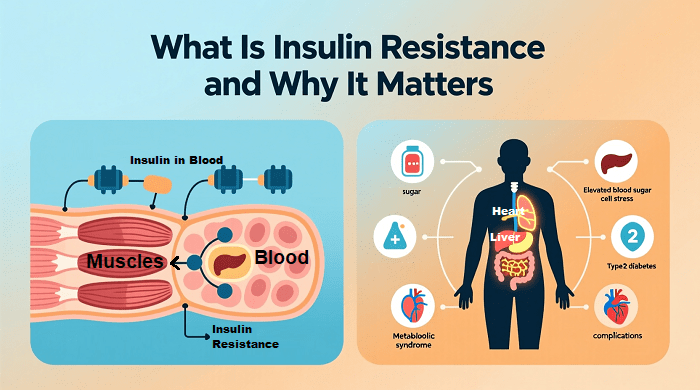
When your body becomes insulin resistant, your cells no longer respond well to insulin. As a result, glucose builds up in your bloodstream. It is not used for energy, which leads to higher blood sugar levels.
Over time, the pancreas produces more and more insulin to compensate, but eventually it can’t keep up. This is when pre-diabetes or Type 2 diabetes develops.
How this Develops
Several factors contribute to the development of insulin resistance:
- Excess body fat, especially around the abdomen
- Lack of physical activity
- Unhealthy diet, high in refined carbohydrates and sugars
- Genetics and family history
- Chronic stress and lack of sleep
- Hormonal changes as polycystic ovary syndrome (PCOS) in women
The process develops gradually, often without noticeable symptoms.
Warning Signs
Because insulin resistance doesn’t cause obvious symptoms, it’s often discovered during routine blood tests. However, some signs include:
- Increased hunger and cravings for sweets
- Fatigue after meals
- Weight gain around the waist
- Dark patches of skin (acanthosis nigricans), usually on the neck or armpits
- Difficulty losing weight despite effort
If you notice these changes, talk to your doctor about testing your blood sugar and insulin levels.
Health Risks
If not addressed, resistance increases the risk of several conditions:
- Type 2 Diabetes – the most direct consequence.
- High Blood Pressure – due to insulin’s effect on blood vessel tone.
- Heart Disease – linked to high triglycerides and cholesterol.
- Fatty Liver Disease – excess fat accumulates in the liver.
- Polycystic Ovary Syndrome (PCOS) – resistant insulin is common among women with PCOS.
How to Reverse Insulin Resistance
The best treatment is lifestyle modification. Small, consistent changes can make a huge difference.
1. Try to have a Healthy Weight
Losing even 5–10% of your body weight can dramatically improve insulin sensitivity.
2. Stay Physically Active
Exercise helps your muscles use glucose efficiently. Aim for at least 150 minutes of moderate exercise weekly (brisk walking, cycling, or swimming).
3. Choose Healthier Foods
- Eat more fiber-rich foods (vegetables, fruits, legumes).
- Choose whole grains instead of refined ones.
- Include healthy fats like olive oil, nuts, and fish.
- Avoid sugary drinks and processed snacks.
4. Manage Stress and Sleep Well
High stress and lack of rest raise cortisol and insulin resistance. Try deep breathing, meditation, or short naps.
5. Check Blood Sugar Regularly
Routine testing helps track your progress and detect any early changes.
When to See a doctor
If you are a person with higher weight or have a family history of diabetes, consider screening for insulin resistance. Notice signs like frequent fatigue and sugar cravings? You should also consider screening for pre-diabetes. Early detection makes effective lifestyle adjustments easier, before diabetes develops.
Summary
Insulin resistance is a silent condition that often develops years before diabetes appears. It’s influenced by lifestyle, diet, and genetics—but it can be reversed with healthy habits.
By maintaining a balanced diet, exercising regularly, and managing stress, you can protect your body’s ability to use insulin effectively. This will help keep your blood sugar stable.
✅ External Links:
🏥 At Helal Medical Manila, we encourage all diabetic patients to include annual retinal screening as part of their regular care. Early detection means brighter, clearer vision—and a better quality of life. Visit us today or message Helal Medical page on Facebook to schedule your diabetic screening.
Read More:
Thrush (Yeast infection): Causes and Treatmentthrush-yeast-infection-causes-and-treatment
Diabetes Types and Diagnosisdiabetes-diagnosis-and-types Feb 21, 2025
How to Diagnose Diabetes? how-to-diagnose-diabetes Mar 22, 2025
World Diabetes Day November 14, 2022world-diabetes-day Nov 3, 2022
Diabetes Types, symptoms, complications and managementdiabetes-types-symptoms-complications-and-management Sep 4, 2022
Diabetes Symptoms You Should Never Ignorediabetes-symptoms-you-should-never-ignore
Feb 10, 2026
Diabetes Diagnosis, Which Blood Tests to be done? diabetes-diagnosis-which-blood-tests-to-be-done Aug 10, 2021
How to Manage Diabetes During the Holidayshow-to-manage-diabetes-during-the-holidays Nov 9, 2025
Stem Cell Therapy: The New Frontier in Diabetes Treatment (2024 Update)stem-cell-therapy-the-new-frontier-in-diabetes-treatment-2024-update Sep 19, 2024
Diabetic Eye Diseases: Causes, Symptoms, and Preventiondiabetic-eye-diseases-in-the-philippines-causes-symptoms-and- Feb 11, 2026
World Obesity Day 2023world-obesity-day Mar 18, 2023
HBA1c Test: A Measure of Long-Term Blood Sugar Controlhba1c-test-a-measure-of-long-term-blood-sugar-control Aug 28, 2024
What Is Insulin Resistance and Why It Matterswhat-is-insulin-resistance-and-why-it-matters Feb 7, 2026
Discover more from Helal Medical Manila
Subscribe to get the latest posts sent to your email.


