
10 Most Common STDs Questions (FAQs), you need to know
Last Updated on 03/06/2026 by DrHelal
Sexually transmitted diseases (STDs) remain a significant public health concern worldwide. Despite advances in medicine, many people still harbor misconceptions and fears about STDs. If you’re sexually active or planning to be, understanding the most common FAQs about STDs is crucial.
In this article, we will address the 10 most common STDs questions (FAQs). From transmission to prevention, symptoms to testing, we aim to clear up confusion.
Did you know that millions of people worldwide are unaware they have an STD? Or that some STDs show no symptoms at all? Staying informed can protect you and your partners. Keep reading to discover the answers to the most pressing questions about STDs.
Why Knowing the Common FAQs About STDs Matters
STDs are often stigmatized, leading to misinformation and fear. Many individuals avoid testing or discussing their concerns. This silence can lead to severe health complications, including infertility, cancer, or even death.
Understanding popular STDs FAQs helps you make informed decisions. It encourages safe practices, early detection, and timely treatment. Knowledge is your best defense against the spread of STDs.
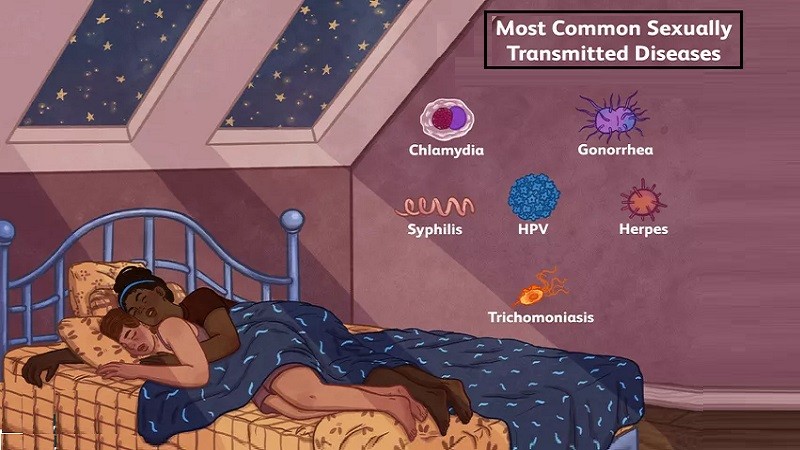
The most common STDs are chlamydia, gonorrhea, syphilis, genital herpes, HPV, HIV/AIDS, trichomoniasis, and hepatitis B and C.
Transmission is one of the most popular STD questions. STDs are most commonly spread through sexual contact, including vaginal, anal, and oral sex. They can also be spread through contact with infected blood or bodily fluids, and from mother to child or breastfeeding.
The symptoms of an STD vary depending on the specific infection. They include genital discharge, painful urination, genital sores, rashes, fever, and flu-like symptoms.
Can you have an STD without symptoms?
Yes, many people with STDs have no symptoms at all, which is why it is important to get tested regularly.
STD testing typically involves a blood or urine test, a swab of the affected area, or a physical examination. Testing may also include a visual inspection of the genitals.
STDs are typically treated with antibiotics or antiviral medications, depending on the specific infection. It is important to complete the entire course of medication to ensure that the infection is fully treated.
The most effective ways to prevent STDs are to practice safe sex, including using condoms or dental dams. Also, by getting vaccinated against certain infections like HPV and hepatitis B and getting tested regularly.
Yes, many STDs can be spread through oral sex, including chlamydia, gonorrhea, syphilis, herpes, and HIV.
Yes, many STDs can be spread through anal sex, including chlamydia, gonorrhea, syphilis, herpes, and HIV.
While it is rare, some STDs can be spread through kissing. These include herpes and syphilis, which can cause sores on the mouth or lips.
Summary: Protect Yourself and Your Partners
STDs are common but preventable. Knowing the popular STDs FAQs helps you stay informed. Regular testing, safe sex, and vaccination are key. Early treatment prevents serious health issues.
Remember: Open communication and responsible behaviors protect everyone. Stay informed, stay safe, and consult healthcare providers regularly.
SOURCES
- https://www.verywellhealth.com
- Centers for Disease Control and Prevention (CDC) – STDs
- World Health Organization (WHO) – Sexually Transmitted Infections
- American Sexual Health Association
Do you have a question? please drop it down in the comments, or
Click here for (FREE ONLINE CONSULTATION)
If you suspect that you may have symptoms, Helal Medical can help, offering quick, private, and convenient testing options. You may contact us here: Facebook page.
Read More about STDs:
- STD Lab tests, what are the most common tests?
- Sexually Transmitted Diseases (STDs)
- STDs in the Philippines: Understanding
- Asymptomatic STDs, infected but no symptoms!
Discover more from Helal Medical Manila
Subscribe to get the latest posts sent to your email.


