
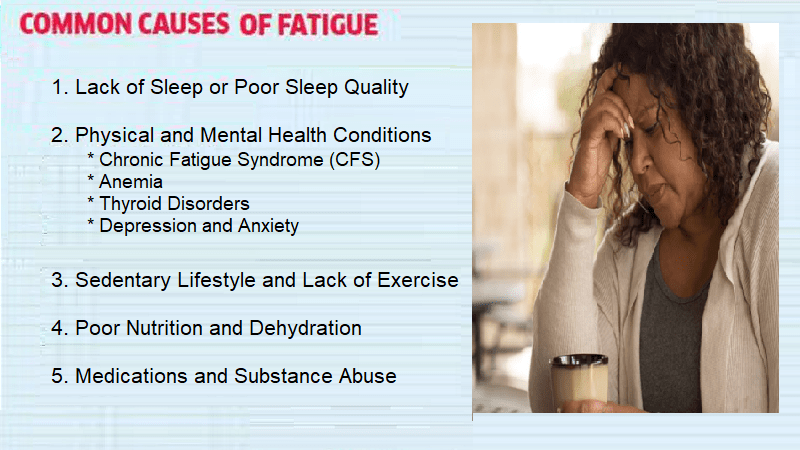
The Most Common 5 Causes of Fatigue
Last Updated on 09/07/2026 by DrHelal, MD Medical Doctor with 50+ Years of Clinical Practice • [Read Full Author Bio & Credentials →]
Fatigue is a common complaint that results from many causes, among which the common ones are discussed below.
Fatigue can significantly impact a person’s daily life. Causes of fatigue are numerous ranging from lifestyle factors to underlying medical conditions.
In this article, we will explore the most common causes of fatigue with a short note for each.
The Most Common Causes of Fatigue
1. Lack of Sleep or Poor Sleep Quality
Insufficient or poor-quality sleep is one of the main causes of fatigue. Getting enough sleep is essential to be active and enegetic during the day, while not enough sleep can leave you feeling tired, sluggish, and lacking energy throughout the day. Factors such as irregular sleep patterns, sleep disturbances (e.g., sleep apnea or insomnia), or inadequate sleep hygiene practices can contribute to sleep-related fatigue.
2. Physical and Mental Health Conditions
Several physical and mental health conditions can cause persistent fatigue:
- Chronic Fatigue Syndrome (CFS):
CFS is a complex disorder characterized by extreme fatigue that is not relieved by rest. It may be accompanied by other symptoms, such as muscle pain, impaired cognitive function, and unrefreshing sleep. - Anemia:
Anemia, particularly iron-deficiency anemia, can lead to fatigue due to a decrease in the number of healthy red blood cells available to transport enough oxygen throughout the body. - Thyroid Disorders:
Hypothyroidism,(an underactive thyroid gland), can cause fatigue, as the thyroid hormones play an important role role in regulating metabolism and energy levels. - Depression and Anxiety:
Mental health conditions, including depression and anxiety, can significantly impact energy levels and contribute to fatigue.
3. Sedentary Lifestyle and Lack of Exercise
A sedentary lifestyle and insufficient physical activity can lead to decreased muscle strength, reduced cardiovascular fitness, and feelings of fatigue. Regular exercise promotes better sleep, increases energy levels, and improves overall physical and mental well-being.
4. Poor Nutrition and Dehydration
Inadequate nutrition and dehydration can contribute to fatigue:
- Malnutrition:
A diet lacking essential nutrients, such as iron, vitamin B12, or folate, can lead to fatigue and anemia. - Dehydration:
Even mild dehydration can cause feelings of fatigue and reduced cognitive function.
5. Medications and Substance Abuse
Certain medications, such as sedatives, antidepressants, and antihistamines, have some side effects including fatigue. Additionally, substance abuse, including alcohol and illicit drugs, can disrupt sleep patterns and contribute to fatigue.
Summary
Fatigue can stem from various causes; the Most Common 5 are discussed in this article. Causes include lack of sleep, physical and mental health conditions, a sedentary lifestyle, poor nutrition, and medication/substance use.
It is essential to identify and address the underlying factors contributing to fatigue in order to manage and improve energy levels. If persistent or severe fatigue is affecting your daily life, it is recommended to consult your doctor.
Read about: Why Do Many People Feel Tired Even After Adequate Sleep?
🔗 Connect with Helal Medical:
If you suspect that you may have symptoms, Helal Medical can help, offering quick, private, and convenient testing options. You may contact us here: Facebook page, Get Free medical consultation!
This article provides general information. Always consult with a healthcare professional for personalized medical advice.
Read More
Fatigue is not always vitamin deficiency
Iron Deficiency Anemia: The Common Cause of Fatigue
Discover more from Helal Medical Manila
Subscribe to get the latest posts sent to your email.


