
Hemoglobin: The Lifeline of Oxygen and the Sequences of its Deficiency
Last Updated on 06/19/2026 by DrHelal, MD Medical Doctor with 50+ Years of Clinical Practice • [Read Full Author Bio & Credentials →]
Hemoglobin, often referred to as the lifeline of oxygen, is a vital protein found in red blood cells. It plays a vital role in transporting oxygen from the lungs to various tissues and organs throughout the body.
It is important to understand the functions of hemoglobin, its sources, and the consequences of its deficiency as the leading cause of anemia. In this article, we will explore this vital protein including its functions, sources, causes of deficiency, symptoms, and normal levels.
What is Hemoglobin (Hb)?
It is a complex protein composed of four subunits (4 chains), each containing a heme group. The heme group consists of an iron ion that binds to oxygen molecules. This unique structure allows this vital protein to efficiently bind and release oxygen as it travels through the bloodstream. Each molecule of HB can transport up to four oxygen molecules.
Functions of Hb
1- Transport oxygen:
The primary function is to transport oxygen from the lungs to every cell in the body. Oxygen molecules bind to the iron ions within hemoglobin, forming an oxygenated form. As red blood cells pass through the lungs, they pick up oxygen, which binds to the hem portion, creating oxyhemoglobin. Then travel through the bloodstream, to deliver oxygen to tissues and organs.
2- The removal of carbon dioxide:
Hb also assists in the removal of carbon dioxide (CO2), a waste product of cellular metabolism. Hemoglobin picks up carbon dioxide from the tissues back to the lungs, where it is released into the air during exhalation.
Sources of Hb
It is synthesized within the body during the production of red blood cells, a process known as erythropoiesis. In the bone marrow, specialized cells called erythroblasts undergo a series of transformations, acquiring the components necessary for hemoglobin synthesis.
Several factors can affect its synthesis, including nutritional deficiencies, genetic disorders, and certain medical conditions.
HB production depends on various factors, including an adequate supply of iron, certain vitamins, and amino acids. To support the synthesis of hemoglobin, you need to consume a balanced diet that includes the following sources:
- Iron-Rich Foods:
Iron is an essential component of hemoglobin. Dietary sources of iron include lean meats, poultry, fish, shellfish, legumes, tofu, fortified cereals, and dark leafy green vegetables. - Vitamin C-Rich Foods:
Vitamin C aids in the absorption of iron from plant-based sources. Citrus fruits, strawberries, kiwi, bell peppers, and broccoli are excellent sources of vitamin C. - Vitamin B12 and Folic Acid:
These vitamins are necessary for the production of red blood cells. Animal-based foods such as meat, fish, eggs, and dairy products are rich in vitamin B12, while leafy greens, citrus fruits, and beans are good sources of folic acid.
Causes of Hb Deficiency
A deficiency can lead to anemia, and several factors can contribute to its deficiency, including:
1. Iron Deficiency:
Inadequate iron intake or impaired absorption can lead to low levels of hemoglobin, iron deficiency anemia. This can occur due to a poor diet, certain medical conditions, blood loss, or increased iron requirements during pregnancy.
2. Vitamin Deficiencies:
Insufficient intake or absorption of vitamins such as vitamin B12 or folic acid can impact the production of red blood cells, including hemoglobin.
3. Chronic Diseases:
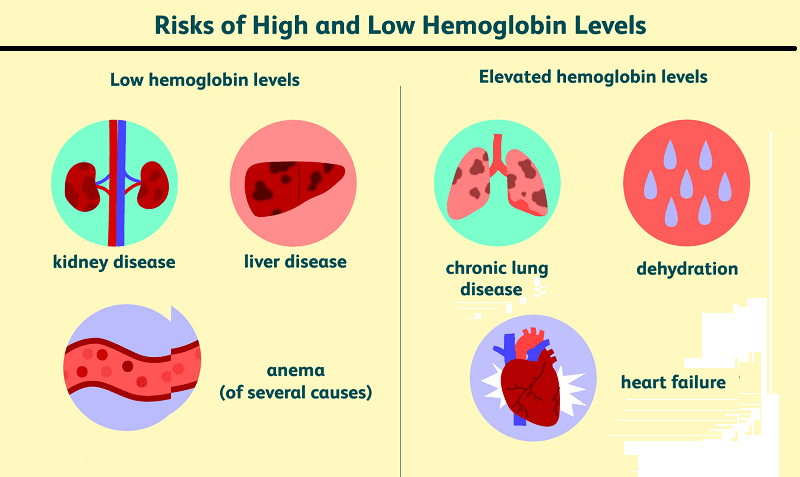
Certain chronic conditions, such as kidney disease, cancer, or autoimmune disorders, can disrupt the production or function of red blood cells, leading to lower levels.
Symptoms of hemoglobin deficiency, or anemia
Fatigue and Weakness:
These are the main symptoms of HB deficiency. Due to the reduced oxygen-carrying capacity of the blood, individuals may experience persistent tiredness, lack of energy, and a general weakness. Simple activities that were once effortless may become challenging and exhausting.
Shortness of Breath:
Insufficient hemoglobin can lead to inadequate oxygen supply to the tissues, resulting in shortness of breath, especially during physical exertion. Individuals may feel breathless or find it difficult to catch their breath even with minimal activity.
Pale Skin and Nail Beds:
Reduced levels can cause paleness in the skin, particularly in the face, lips, and nail beds. The natural healthy color may appear washed out, giving a pale or sallow complexion.
Rapid Heartbeat:
Anemia can lead to an increased heart rate as the body attempts to compensate for the reduced oxygen supply. Individuals may experience a racing or pounding heartbeat, even during rest or mild physical activity.
Dizziness and Lightheadedness:
Inadequate oxygen to the brain can result in dizziness and lightheadedness. Individuals may feel unsteady or experience fainting spells.
Cognitive Difficulties:
Severe hemoglobin deficiency can affect cognitive function, leading to difficulties with concentration, memory, and overall mental clarity. Individuals may experience brain fog or have trouble focusing on tasks.
Normal Levels of HB
The normal levels of hemoglobin vary depending on factors such as age, sex, and altitude where the person resides. The normal range in adults is about 12 to 16 grams per deciliter (g/dL), for females and 13.5 to 17.5 g/dL for males.
During infancy and childhood, it is typically higher, ranging from 11 to 14.5 g/dL. In pregnant individuals, hemoglobin levels may decrease slightly due to an increase in blood volume, but values between 11 and 15.5 g/dL are generally considered within the normal range.
Altitude can also affect hemoglobin levels. At higher altitudes, where oxygen availability is lower, the body may produce more hemoglobin to compensate. As a result, individuals living at high altitudes may have higher hemoglobin levels than those at sea level.
It’s essential to consult a healthcare professional for an accurate assessment of hemoglobin levels and interpretation of results.
SUMMARY
Hemoglobin, the oxygen-carrying protein within red blood cells, plays a vital role in maintaining the body’s overall health and function. Understanding its functions, dietary sources, and the consequence of its deficiency is essential for well-being and preventing anemia.
Recognizing the causes and symptoms of hemoglobin deficiency can lead to early management, which may involve dietary modifications, iron supplementation, or treatment of underlying conditions.
By prioritizing a balanced diet, regular check-ups, and seeking medical advice when necessary, individuals can maintain optimal hemoglobin levels and ensure a healthy supply of oxygen to their tissues and organs.
🔗 Connect with Helal Medical:
If you suspect that you may have symptoms, Helal Medical can help, offering quick, private, and convenient testing options. You may contact us here: Facebook page, Get Free medical consultation!
This article provides general information. Always consult with a healthcare professional for personalized medical advice.
Discover more from Helal Medical Manila
Subscribe to get the latest posts sent to your email.


