
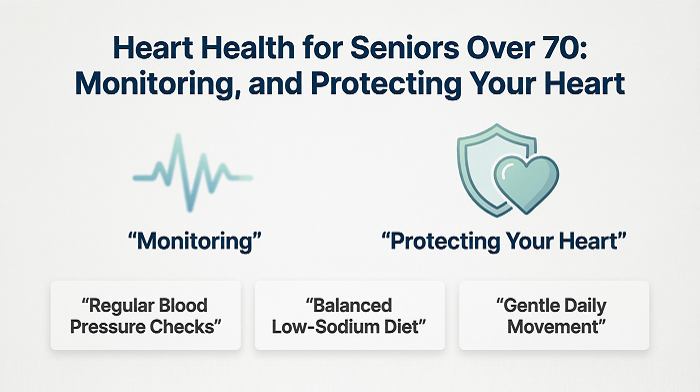
Heart Health for Seniors Over 70: Monitoring, and Protecting Your Heart. Part 3
For seniors, heart and blood vessels health change naturally. The heart pumps slower, and vessel walls become stiffer, which can affect how well your body works. These changes do not mean you will become sick, but they you need to pay closer attention to keeping your heart strong and well cared for.
Heart health for seniors is focused about understanding what is normal, what to watch for, and how to reduce risk through simple daily habits and regular checkups. Many serious heart problems can be prevented or caught early. Knowledge is your best protection at this stage of life.
I’m Dr. Helal from Helal Medical in Manila. My advice for everyone: You do not need to be an expert to take good care of your heart. Small, steady choices give you the best results and long, healthy life.
How the Heart Changes After Age 70
Your heart is a muscle that works every second to pump blood to your whole body. Over time, the heart walls thicken a little, and valves become slightly stiffer. This is normal aging, not disease. But these changes mean the heart cannot handle sudden stress as easily as it once did. Rest and gentle activity become more important than ever.
Blood vessels also change. They lose some elasticity, so blood pressure tends to rise. High pressure puts extra strain on the heart and arteries. Often there are no clear symptoms, so you may feel fine even when levels are too high. That is why regular checks are so important — they reveal risks you cannot feel yet.
Cholesterol and blood flow also change with age. Fatty deposits can build up slowly inside vessel walls, narrowing the space blood flows through. This process takes many years. By age 70, it is common to have some narrowing. Good care slows further buildup and lowers your chance of chest pain, stroke, or heart attack.
What You Should Watch and When
Key Heart Tests for Seniors
Three simple tests tell your doctor most of what they need to know. Blood pressure is quick and painless — it measures how hard your heart works. A lipid profile measures cholesterol and fats in your blood. Fasting blood sugar checks for diabetes, which damages the heart silently over time.
These tests are available at all health centers and laboratories, including Helal Medical. PhilHealth covers them during senior wellness checkups. You should have them done at least once a year, or more often if your doctor advises. Early results help us help you before trouble starts.
Warning Signs You Must Never Ignore
Heart trouble often gives clear warnings — you just need to know what they are. Chest pain, pressure, or tightness that comes with activity and eases with rest needs checking right away. Shortness of breath when walking or lying flat, swelling in ankles or feet, and unusual tiredness can also signal the heart needs help.
Dizziness, fainting, or an irregular heartbeat that feels like fluttering or skipping beats should also be checked. Many people brush these off as just aging, but they can be early warnings. Call your doctor or go to the nearest hospital immediately if symptoms are severe or do not go away quickly.
Protecting Your Heart Every Day
Your heart responds very well to simple, steady care. Eat a variety of vegetables, fruits, fish, and whole grains common in Filipino homes. Use less salt, soy sauce, and salty condiments — these raise blood pressure fast. Limit fatty pork, coconut milk, and sweets that raise cholesterol and sugar levels.
Stay active but keep it gentle. Walking thirty minutes a day, at a pace that feels comfortable, strengthens the heart without straining it. Avoid heavy lifting, sudden bursts of effort, or walking in extreme heat. If you feel chest discomfort or shortness of breath, stop and rest, and tell your doctor later.
Avoid smoking and limit alcohol to very small amounts, or none at all. Both raise blood pressure and damage vessel walls. Sleep seven hours nightly, keep weight steady, and manage stress. These habits cost nothing, are easy to follow, and protect your heart better than any medicine alone can.
Summary
Heart health seniors depends on knowing your numbers, recognizing warning signs, eating wisely, moving gently, and getting yearly checkups. Aging brings natural changes, but heart disease is not inevitable. You can stay strong and active well into your 70s and beyond with consistent, simple care.
PhilHealth and DOH programs cover many essential tests and services. Use your Senior Citizen ID and PhilHealth card at every visit so you pay only what is fair. Prevention costs far less than treatment, and it works better too. Never skip your yearly checkup — early detection saves lives.
If you live in Metro Manila, visit us at Helal Medical for blood pressure, lipid profile, and heart health advice. We speak plain language and explain everything clearly. Your heart has served you faithfully for decades — a little care now keeps it serving you well for many more years.
References
- World Health Organization (WHO). Guidelines for the Assessment and Management of Cardiovascular Disease in Older Persons. WHO, Geneva, 2022.
- Department of Health (DOH), Philippines. Cardiovascular Disease Prevention and Management Guidelines for Older Adults. DOH, Manila, 2025.
- Philippine Health Insurance Corporation (PhilHealth). PhilHealth Primary Care Benefits Package — Coverage for Heart Health Screening and Laboratory Tests. PhilHealth Circular, 2026.
- Republic Act No. 11223. Universal Health Care Act of 2019 — Preventive Care and Regular Checkups for Older Persons. Congress of the Philippines, Manila.
- Asian Development Bank (ADB). Noncommunicable Disease Prevention Among Older Persons in the Philippines: Policy and Service Delivery. ADB, Manila, 2024.
Discover more from Helal Medical Manila
Subscribe to get the latest posts sent to your email.


