Obsessive-Compulsive Disorder (OCD): From Intrusive Thoughts to Specific Health Fears
“obsession” carries a far deeper and more distressing meaning. It often serves as a part of mental health conditions like obsessive-compulsive disorder (OCD). Understanding the true nature of obsession is essential. Recognizing its manifestations and the specific fears it can engender is crucial. This awareness helps in recognizing the signs and seeking appropriate support.
What is Clinical Obsession? Three Key Signs
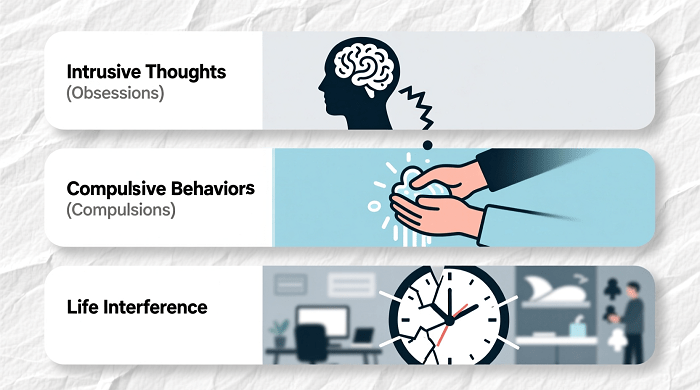
At its heart, a clinical obsession is not just a strong interest or an intense passion. It’s a persistent, intrusive, and often distressing mental experience that significantly interferes with a person’s life. Focusing on its manifestation in Obsessive-Compulsive Disorder (OCD), here are three definitive signs:
- Recurrent, Unwanted Thoughts, Images, or Urges (Obsessions):These are the hallmark of clinical obsession. They are not simply excessive worries about real-life problems. Instead, they are intrusive, involuntary, and persistent mental experiences. These experiences typically cause significant anxiety or distress. Imagine a constant loop playing in your mind, forcing you to think about something you’d rather not. These thoughts are about contamination, intense doubts (e.g., did I lock the door?), aggressive impulses (e.g., a fleeting thought of harming someone, which the person finds abhorrent), or a rigid need for symmetry or order (“just right” sensations). The individual often recognizes these thoughts as irrational or excessive, yet feels powerless to stop them.
- Repetitive Behaviors or Mental Acts (Compulsions):Compulsions are the direct behavioral or mental responses to obsessions. They are actions that a person feels driven to perform in response to an obsession. Often, the aim is to reduce anxiety or prevent a dreaded outcome. While compulsions might provide temporary relief, they ultimately reinforce the obsessive cycle. Examples include:
- Physical Compulsions: Excessive hand-washing, repeated checking (locks, appliances), arranging objects in a specific order, ritualistic touching, or repeatedly seeking reassurance.
- Mental Compulsions: Silently repeating phrases or prayers. It involve counting or reviewing past events to ensure nothing bad happened. Some might mentally “undo” a bad thought. The crucial aspect is that these compulsions are not pleasurable. They are performed out of a rigid sense of necessity. They often feel like a burden.
- Significant Interference with Daily Life:For obsessions and compulsions to be clinically significant, they must be more than just bothersome. They need to take more than an hour a day. They must cause marked distress. They should significantly interfere with the person’s normal routine. This includes occupational (or academic) functioning and social activities and relationships. The constant battle against intrusive thoughts is utterly debilitating. Performing compulsions can also prevent individuals from engaging in life’s important activities.
The Landscape of Fear: What Obsessive Individuals Dread
People with obsessions, especially those with OCD focusing on contamination or health anxiety, often have intense fears. These fears relate to a wide array of potential threats. Their concerns revolve around anything perceived as a source of illness, harm, or impurity.
- Fear of Illness and Germs (General):This is a foundational fear for many with contamination obsessions. The anxiety isn’t just about feeling unwell, but about the very idea of being contaminated or transmitting illness.
- Infection: An overwhelming dread of contracting infectious diseases or, equally distressing, inadvertently spreading them to loved ones.
- Bacteria, Viruses, and Microbes: Intense anxiety about unseen pathogens. This can lead to excessive cleaning, sterilizing surfaces, and avoiding perceived “hot zones” for germs.
- “Uncleanliness”: A general aversion to dirt, grime, and anything considered physically “unclean.” This often extends to public spaces like restrooms, doorknobs, or even money.
- Specific Contaminants:Beyond general germs, fears can crystallize around particular sources of contamination:
- Bodily Fluids: An acute phobia of coming into contact with or being exposed to bodily fluids such as blood, urine, saliva, or vomit, due to the perceived risk of disease transmission.
- Chemicals and Toxins: Anxiety about exposure to household chemicals, poisons, or even radiation, imagining catastrophic health consequences from minimal contact.
- Mold and Fungus: A specific aversion to these biological contaminants due to their potential health effects and often visible “unclean” appearance.
- Illness Anxiety (Hypochondriasis):While distinct from OCD, many individuals with contamination obsessions also experience a strong component of illness anxiety. This involves a persistent and overwhelming fear of having a serious medical condition (e.g., cancer, heart disease, neurological disorders) despite repeated medical evaluations confirming their good health. The reassurance from doctors is often temporary, quickly overridden by new doubts and anxieties.
The Spotlight on Specific Viruses, Bacteria, and STDs
When delving into the specifics of feared pathogens, the concerns of someone with contamination obsessions or health anxiety are not always based on actual epidemiological risk. Instead, these concerns are based on the perceived severity. Media portrayal or personal significance of the disease also plays a role.
- General Pathogens:
- Common Cold/Flu Viruses: Especially heightened during seasonal outbreaks or global pandemics (like COVID-19), leading to excessive mask-wearing, sanitizing, and social avoidance.
- Foodborne Bacteria: Pathogens like Salmonella or E. coli which can cause severe gastrointestinal distress, triggering fears around food preparation and consumption.
- “Streptococcus” (PANDAS): While a specific bacterial strain, Streptococcus is relevant due to its association with PANDAS (Pediatric Autoimmune Neuropsychiatric Disorders Associated with Streptococcal Infections), where children can suddenly develop OCD symptoms following a strep infection. This highlights how real infections can sometimes trigger obsessive cycles.
- Sexually Transmitted Diseases (STDs/STIs):
For many, STDs represent a unique intersection of physical health threat, social stigma, and long-term implications, making them prime targets for obsessive fears.- HIV/AIDS:
Historically and presently, HIV remains one of the most significant fears. The serious, chronic nature of the illness and its past association with a death sentence contribute to intense anxiety. Individuals might fear contracting HIV through highly improbable routes, like touching a used needle in a public place, minor cuts coming into contact with an invisible drop of blood, or even through casual, non-sexual contact. - Genital Herpes (HSV):
The chronic, recurrent nature of herpes and the fact that it is incurable (though manageable) makes it a source of profound distress. Obsessions often revolve around invisible lesions, asymptomatic transmission, or the social implications of living with the virus. - Human Papillomavirus (HPV): Given its widespread prevalence, its link to genital warts, and its association with various cancers (especially cervical and anal cancer), HPV is a common source of intense anxiety. Fears often center on the long-term cancer risk or the visible manifestation of warts.
- Hepatitis B & C:
While not exclusively STDs, these viral hepatitis forms can be sexually transmitted and are feared for their potential to cause chronic liver disease, cirrhosis, and liver cancer. - Bacterial STDs (Gonorrhea, Syphilis, Chlamydia):
Even though these are generally curable with antibiotics, individuals with OCD can still develop intense fears about them. These fears may be particularly concerning the initial symptoms. There is also potential for complications like infertility. The shame associated with contracting them can also be a significant concern.
- HIV/AIDS:
When to Seek Help
It’s crucial to differentiate between normal health concerns and obsessive fears. If you are experiencing persistent, intrusive thoughts related to contamination or health, Obsessive-Compulsive Disorder (OCD)و it’s time to pay attention. This also applies if someone you know is going through this. Engaging in repetitive behaviors to alleviate anxiety is another warning sign. If these experiences are causing significant distress, it is a strong indicator that professional help is needed. They may be interfering with daily life.
Obsessive-Compulsive Disorder (OCD) is a treatable condition. Therapies like Cognitive Behavioral Therapy (CBT), particularly Exposure and Response Prevention (ERP), are highly effective. Medications, such as selective serotonin reuptake inhibitors (SSRIs), can also play a vital role.
Understanding the complex nature of obsession is essential. Recognizing its diverse manifestations, especially concerning specific health fears, is the first step. This step is pivotal toward breaking free from its debilitating grasp. If these descriptions resonate with your experience, reach out to a qualified mental health professional. This is a proactive and courageous step towards reclaiming your peace of mind. It is also crucial for improving your quality of life.
- Read More:
- Comprehensive Classification of Sexually Transmitted Diseases (STDs)
- Sexually transmitted Infections (STIs): A Comprehensive Guide
- Infectious Diseases: Classification and prevention
💬 Chat with Us:
You can easily reach Helal Medical via WhatsApp (+63 966 974 1609), Facebook Messenger, or by clicking the chat icon at the lower right corner of our website HelalMedical.com.