
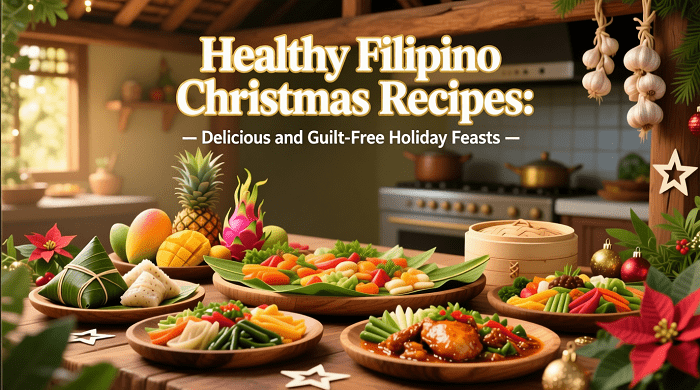
Healthy Filipino Christmas Recipes: A Foundational Guide to Festive and Heart-Smart Eating
Last Updated on 09/10/2026 by DrHelal, MD Medical Doctor with 50+ Years of Clinical Practice • [Read Full Author Bio & Credentials →]
Christmas in the Philippines stretches across months of warmth, faith, and family gatherings. Yet for many, it also brings worry about rich foods, heavy meals, and their effect on health. That is why Healthy Filipino Christmas Recipes matter so much—they let us celebrate fully without sacrificing our well-being.
The holiday season in the Philippines means food, family, and festive celebrations that stretch from Simbang Gabi to New Year’s Eve. Everyone in the Philippines knows the importance of healthy eating during Christmas.
As a doctor practicing in Manila, I hear these concerns every year. People want to enjoy Noche Buena, Simbang Gabi treats, and family reunions, but fear rising blood pressure, blood sugar spikes, or extra weight. The good news is that balance is possible. We can honor our culture while protecting our bodies.
This guide offers a foundation for healthier holiday eating. It does not ask you to give up your favorite foods. Instead, it shows you how to prepare them differently—using better ingredients, smarter cooking methods, and reasonable portions. Every Filipino deserves both joy and health this season.
The Science Behind Healthier Holiday Eating
Rich, fatty, salty, and sugary foods are common during holidays, but they place stress on your heart and blood vessels. Meals high in saturated fat, sodium, and refined sugar can raise cholesterol, blood pressure, and blood sugar levels. Over time, these changes increase the risk of heart disease, diabetes, and other serious conditions. The World Health Organization reminds us that keeping a balanced diet throughout the year is one of the most powerful ways to stay healthy.
The Centers for Disease Control and Prevention explains that choosing more fruits, vegetables, whole grains, and lean proteins while limiting salt, sugar, and unhealthy fats directly lowers the risk of chronic illness. Even small changes, made consistently over the holiday season, can protect your heart without removing the joy of celebration. Prevention begins with the choices we make in our own kitchens.
With a little planning, healthy Christmas eating in the Philippines is not only possible — it’s enjoyable. You can savor your favorite dishes without putting your heart and health at risk.
Understanding Portions and Balance
Research published through the National Institutes of Health shows that most adults gain about half a kilogram during the holiday season, and that weight often stays with us year after year. This happens not from one big meal, but from many small indulgences repeated daily over weeks. Being mindful of portions—eating slowly, stopping when comfortably full, and choosing what truly matters—helps prevent permanent weight gain.
The Department of Health Philippines, through its Nutritional Guidelines for Filipinos, recommends eating a variety of foods, emphasizing vegetables and fruits, choosing lean protein, and limiting salty, fried, fatty, and sugary items. These simple principles apply beautifully to holiday meals. You do not need strict rules—just awareness, balance, and moderation in every dish you prepare and share.
Why Filipinos Gain Weight During Christmas
A 2024 report from the Food and Nutrition Research Institute (FNRI) found that the average Filipino gains 1 to 2 kilograms between December and January. This comes from overeating, sugary drinks, and lack of exercise.
Work parties, noche buena, and reunions happen almost every day, and skipping meals earlier in the day often leads to bigger portions at night. (The World Health Organization reminds that holiday weight gain can increase the risk of diabetes and hypertension if not managed properly.)
Principles for Healthier Filipino Holiday Cooking
Every traditional dish can be made healthier with simple adjustments. Instead of deep-frying lechon kawali, use an air fryer or oven to reduce oil. Flavor with garlic, calamansi, ginger, and herbs instead of salt-heavy seasonings. Swap refined sugar for small amounts of coconut sugar or fresh fruit sweetness. Use brown rice or add more vegetables to pancit and side dishes. These changes preserve flavor while protecting your heart.
Choose lean cuts of meat, remove visible fat, and serve more fish and plant-based dishes alongside favorites. Grilled or steamed foods are lighter than fried ones. When making desserts and drinks, reduce sugar by one-third and use fresh fruits instead of canned varieties in syrup. Drink plenty of water and limit sugary beverages. These habits align with health promotion goals under the Universal Health Care Act, which encourages every Filipino to prevent illness through better lifestyle choices.
Top Filipino Holiday Foods and How to Enjoy Them Wisely
Living and practicing medicine here in the Philippines, at Helal Medical Manila, my heart warms at the sight of beloved dishes—especially during holidays! I savor savory Adobo, tender meat braised to perfection, and comforting Sinigang, its sour broth soothing the soul. These familiar flavors feel like home, yet I eat with care, fearing hidden fats and salts may quietly harm my health.
I also enjoy rich Bulalo, clear hearty soup with bone marrow, and Kawali with its crisp golden skin. Delicious yes—but fear lingers: too much sodium, oil, and cholesterol. I cherish these holiday treasures, yet dread what excess might do to my body, so I taste with caution and always in moderation.
| Holiday Favorite | Smart Tip |
|---|---|
| Lechon | Take a small serving, remove fatty skin, and add vegetables. |
| Hamon | Limit to 2–3 slices; high in sodium and sugar. |
| Bibingka & Puto Bumbong | Enjoy one piece; skip extra butter and sugar. |
| Spaghetti | Try whole-wheat pasta and less sweet sauce. |
| Soda & Alcohol | Replace with water or fresh buko juice. |
Even small adjustments can significantly reduce calorie and fat intake while keeping the spirit of Filipino Christmas alive.
Practical Tips for Healthy Christmas Eating
- Eat before parties. A light meal at home can prevent overeating later.
- Choose your favorites. Skip dishes you don’t truly enjoy.
- Slow down while eating. Give your body time to feel full.
- Stay active. Even 15–20 minutes of walking helps manage blood sugar.
- Watch your drinks. Sweet cocktails and sodas add unnecessary calories.
(According to Harvard Health, mindful eating is one of the most effective ways to prevent holiday weight gain.)
Summary
Healthy Filipino Christmas Recipes are not about saying no to tradition—they are about celebrating wisely so you can enjoy many more seasons with your loved ones. By understanding what makes food healthy, balancing your plate, and cooking with better ingredients, you protect your heart and still taste every joy of the holidays.
Healthy Filipino Christmas Recipes help you care for yourself and your family while honoring our beautiful culture. You do not need to be a chef or give up everything you love. Just choose balance, moderation, and variety. That is the true spirit of Christmas—sharing health, happiness, and long life together.
When you prepare Healthy Filipino Christmas Recipes, you give the greatest gift of all: the promise of many more healthy, joyful holidays to come. May your table be filled with love, faith, nourishment, and gratitude.
References
World Health Organization – Healthy Diet Guidelines
Centers for Disease Control and Prevention – Heart Disease Prevention Through Healthy Eating
National Institutes of Health – Holiday Weight Gain Research
Department of Health Philippines – Nutritional Guidelines for Filipinos
Universal Health Care Act of the Philippines (Republic Act No. 11223)
Discover more from Helal Medical Manila
Subscribe to get the latest posts sent to your email.


