
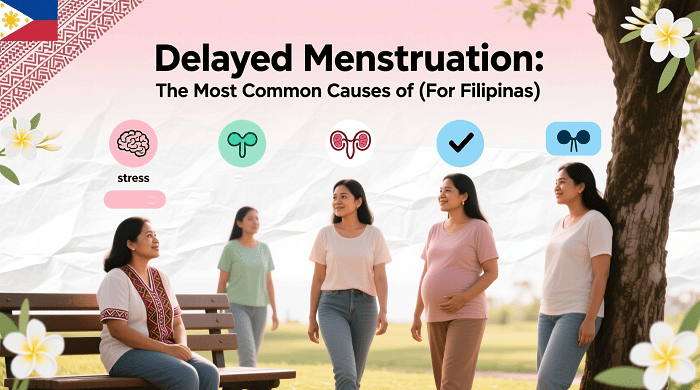
Delayed Menstruation: The Most Common Causes of (For Filipinas)
A delayed menstruation or missed period is one of the most common concerns among women in the Philippines. If you’re worried about pregnancy, it’s important to understand that many different factors can cause late menstruation. You might also wonder why your period is taking longer than usual. It’s not just caused by pregnancy.
In this article, we’ll explain the most common causes of delayed menstruation. We will discuss when to consult a doctor. We will also cover what lifestyle habits can help keep your cycle healthy and regular.
1. Stress and Emotional Factors
One of the top causes of delayed menstruation is stress. When you’re under emotional or physical stress, your body releases higher levels of cortisol. This includes pressure from work, school, or family. Cortisol is known as the stress hormone.
This hormone can interfere with the brain’s regulation of the reproductive system. It primarily affects the hypothalamus and pituitary gland, which control ovulation. As a result, your period might be delayed or skipped for a cycle.
Common stress triggers among Filipinos:
- Financial struggles or job stress
- Academic pressure
- Relationship problems
- Major life events like moving or loss of a loved one
What you can do:
Try stress management techniques like meditation, journaling, walking, or prayer. Practicing self-care and maintaining a balanced schedule can help your hormones return to normal.
👉 Read more about how stress affects your menstrual cycle on Cleveland Clinic.
2. Hormonal Imbalances
Your menstrual cycle relies on a delicate balance of hormones, including estrogen and progesterone. Any disruption can result in delayed or missed periods.
Common hormonal conditions in Filipinas:
- Polycystic Ovary Syndrome (PCOS):
A common condition among women of reproductive age in the Philippines. PCOS causes irregular ovulation, acne, and weight gain. - Thyroid disorders:
Both hyperthyroidism (overactive thyroid) and hypothyroidism (underactive thyroid) can affect menstrual regularity. - Perimenopause:
Women in their late 30s or 40s may notice delayed or skipped periods as estrogen levels begin to fluctuate.
If your cycles are consistently irregular, it’s best to visit an OB-GYN and ask for a hormonal evaluation or ultrasound. Early diagnosis can help manage symptoms effectively.
👉 Learn more about PCOS and hormonal imbalance from Mayo Clinic.
3. Changes in Weight and Nutrition
Rapid weight changes — either gain or loss — can significantly affect your menstrual cycle. Your body needs a certain level of body fat to produce enough estrogen. When that balance is disturbed, ovulation may not occur, resulting in delayed menstruation.
How weight affects your period:
- Underweight or rapid weight loss:
The body senses a lack of nutrients and energy, leading to reduced hormone production. - Excess weight:
- Excess fat increases estrogen levels, which can disrupt normal ovulation.
- Poor nutrition:
A diet low in iron, protein, or vitamins can delay your period and cause fatigue or anemia.
What you can do:
Adopt a balanced diet with vegetables, lean meat, fish, and whole grains. Avoid skipping meals, and stay hydrated.
Read more about the link between diet and menstrual health from Healthline.
4. Excessive Exercise
Many Filipinas today are becoming more health-conscious, which is great! However, too much exercise can actually cause your period to be delayed or stop temporarily.
This happens because intense workouts lower your body fat percentage and reduce estrogen production — the hormone needed for ovulation. Women who engage in marathon training, dance, or bodybuilding are especially at risk.
Signs your workouts are affecting your period:
- Missed periods for more than two cycles
- Fatigue or loss of energy
- Difficulty concentrating
- Drastic weight loss
👉 Tip: If you exercise regularly, make sure you’re getting enough calories and rest. Moderate workouts like walking, yoga, or swimming are ideal for maintaining a healthy cycle.
5. Birth Control and Medications
If you recently started, stopped, or switched your birth control pills or hormonal injections, your period may not immediately adjust. It may take a few months for your body to adapt. Hormonal contraceptives work by regulating your hormones, so any change can delay menstruation temporarily.
Additionally, certain medications such as antidepressants, chemotherapy drugs, or steroids also interfere with your cycle.
What you can do:
If your period doesn’t return after 2–3 months of stopping birth control, consult your doctor. Never stop taking prescribed medication without professional advice.
6. Pregnancy
Of course, one of the most common causes of a missed period is pregnancy. Even if you use protection, there’s still a small chance of conception.
If your period is delayed for more than a week, take a home pregnancy test. Confirm your condition if you’ve been sexually active. For the most accurate results, use the first urine in the morning and follow the test instructions carefully.
If you test positive, schedule an appointment with your OB-GYN for confirmation and prenatal care. If the test is negative and your period doesn’t come, repeat the test after a few days. You can also visit a doctor.
7. Underlying Medical Conditions
Certain medical issues can also cause delayed or missed menstruation. Some of these include:
- Chronic illnesses like diabetes or celiac disease
- Pituitary gland disorders
- Reproductive system issues, such as ovarian cysts or fibroids
If your period is delayed for more than three months, and you’re not pregnant, consult your doctor. It’s best to seek a proper evaluation.
8. Lifestyle Factors and Environment
Sometimes, even your environment can play a role. Moving to a new place, traveling, or not getting enough sleep can affect your circadian rhythm. Changes in work schedules, like night shifts, can also delay your menstruation.
Maintaining a consistent sleep schedule and reducing caffeine or alcohol intake can help restore balance.
When to See a Doctor
You should visit your OB-GYN if:
- Your period is delayed for more than 3 months
- You experience severe abdominal pain or unusual discharge
- You suspect pregnancy but have conflicting test results
- You notice excessive facial hair, acne, or sudden weight gain (possible signs of PCOS)
Early diagnosis and treatment can help prevent complications and restore your regular cycle.
Takeaway and Call to Action
Having delayed menstruation doesn’t always mean something is wrong. It’s your body’s way of telling you to pay attention. Stress, hormonal imbalance, lifestyle changes, or medical conditions can all be contributing factors.
The best step is to listen to your body. Track your period, maintain a healthy diet, manage stress, and schedule regular OB-GYN visits.
👉 Call to Action:
If you’re experiencing frequent delayed menstruation or missed periods, consult your healthcare provider today. Early evaluation can help you identify the cause, receive proper treatment, and maintain your reproductive health.
External Links:
Read More About Men’s Health:
- Men’s Health Interesting Facts: Comprehensive Overviewmen-s-health-interesting-facts-about-a-comprehensive-overview
- Oct 3, 2024
- Common Testicular Diseases: Protecting Men’s Healthcommon-testicular-diseases-protecting-mens-healthT
- Mar 11, 2023
- Men’s Health After 40: A Guide to Thriving in Your Primemens-health-after-40-a-guide-to-thriving-in-your-prime
- Feb 1, 2026
- GenF20 / For Men strength & better healthproduct › genf20-for-men-strength-better-health
- Aug 31, 2022
- Healthy Lifestyle for Men: Effective Tips for Wellnesshealthy-lifestyle-for-men-effective-tips-for-wellness
- Oct 17, 2024
- Understanding the Functions of Testosterone: The Essential Hormone for Health and Well-beingunderstanding-the-functions-of-testosterone-the-essential-hormone-for-health-and-well-being
- Sep 20, 2024
- Understanding the Prostate Gland, A Comprehensive Guideunderstanding-the-prostate-gland-a-comprehensive-guide
- Feb 7, 2026
- Are Male Enhancement Pills Safe for Men with Hypertension?are-male-enhancement-pills-safe-for-men-with-hypertension
- Feb 7, 2026
- Causes of low sex drive (libido) in mencauses-of-low-sex-drive-libido-in-menconditions/
- Feb 24, 2021
- Penile Pain: Causes, and Treatmentpenile-pain-causes-and-treatment
- Mar 20, 2023
- Testosterone Role in Libido in Men and Women: for Medical Practitionerstestosterone-role-in-libido-in-men-and-women-for-medical-practitioner
- Mar 3, 2023
- Semen Quality and Fertility: What Every Man Should Knowsemen-quality-and-fertility-what-every-man-should-know
- Mar 4, 2023
Discover more from Helal Medical Manila
Subscribe to get the latest posts sent to your email.

