
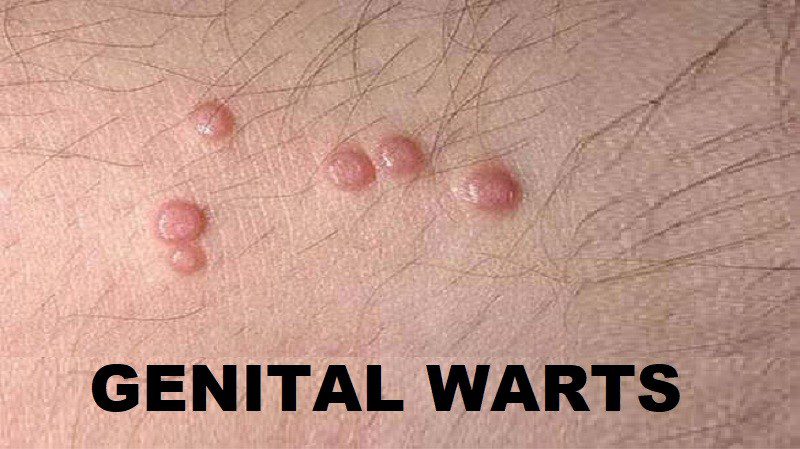
Genitals Warts: Causes, Symptoms and Treatment
Last Updated on 03/14/2026 by DrHelal
Did you know that genital warts are caused by a common virus that affects millions worldwide? Continue reading to learn everything about this condition: what causes it, how to identify it, and the best treatment options available
In this article, we will explore the causes, symptoms, and treatment options for genitals warts. Whether you’re concerned about yourself or your partner, understanding this condition is important.
Read our corner stone article about: Genital Warts and Skin Tags: Key Differences.
What Are Genitals Warts?
They are small, flesh-colored or gray growths that appear on or around the genitals, anus, or inner thighs. Can be flat or raised, single or multiple. These are one of the most common STIs.
How Do They Form?
HPV infects the skin or mucous membranes causing cell growth, leading to warts. Not everyone infected develops visible warts as some may carry the virus without symptoms.
Types of HPV Associated with Genital Warts
- Low-risk HPV types (6 and 11): Mainly cause warts.
- High-risk HPV types (16 and 18): Linked to cancers, (Cervical cancer), but rarely cause visible warts.
Causes of Genitals Warts
Human Papillomavirus (HPV) Infection
- The primary cause is infection with HPV, especially types 6 and 11.
- HPV spreads through skin-to-skin contact during sexual activity.
- The virus can infect areas not covered by condoms, making transmission easier.
- It can be transmitted even when warts are not visible.
Other Contributing Factors
- Multiple sexual partners increase the risk.
- Unprotected sex with an infected partner.
- Weakened immune system, which makes it harder to fight off the virus.
- History of other STIs, which can facilitate HPV infection.
Types of warts based on structure and location in the body:
- Planter Warts can grow on the soles of the feet. They are flat due to body weight. A plantar wart looks like a callous with black spots (which are clotted blood vessels).
- Filiform Warts:
– usually found around the eyes and lips.
– made up of thin projections of skin.
– brown, pink, yellowish, or flesh-colored.
– usually isolated, not in clusters. - Common Warts usually grow on the hands and feet. They are hard bumps that range in size from a pinhead to that of a pencil eraser.
- Flat Warts form on women’s legs. They can also form on men’s beard areas and children’s faces. They grow in clusters, often dozens at once.
- Genital Warts which will be discussed in this article.

Treatment for Genitals Warts
While HPV infection can be persistent, several treatments can remove warts and reduce symptoms.
Topical Medications
- Podophyllin: Applied by a healthcare provider to destroy warts.
- Imiquimod: An immune response cream that helps your body fight HPV.
- Sinecatechins: A plant-based ointment for external warts.
Cryotherapy
- Freezing warts with liquid nitrogen.
- Usually performed in a clinic.
- May require multiple sessions.
Surgical Removal
- Cutting or laser removal for larger or stubborn warts.
- Performed under local anesthesia.
- Usually effective but may leave scars.
Other Treatments
- Laser therapy: Targeted destruction of warts.
- Electrocautery: Burning warts with electric current.
How to Prevent Genital Warts
Prevention is better than treatment. Here are effective strategies:
HPV Vaccination
- Protects against the most common high-risk and low-risk HPV types.
- Recommended for both males and females starting at age 9-11.
- Vaccination reduces the risk of developing genital warts and HPV-related cancers.
Safe Sexual Practices
- Use condoms consistently and correctly.
- Limit the number of sexual partners.
- Engage in mutual monogamy with an uninfected partner.
Regular Screenings
- Routine STI testing for sexually active individuals.
- Pelvic exams and HPV testing as recommended.
Boosting Immune Health
- Maintain a healthy diet.
- Exercise regularly.
- Reduce stress.
- Avoid smoking and excessive alcohol.
The Link Between Genital Warts and Cancer
While most HPV strains causing warts are low-risk, some high-risk types can lead to cancers. Persistent infection with high-risk HPV can cause cervical, anal, penile, and throat cancers.
Importance of Screening
- Pap smears and HPV tests help detect high-risk infections.
- Early detection allows for timely treatment and prevention.
In this article, understanding the connection between HPV and cancer underscores the importance of vaccination and regular checkups.
Table: Comparison of Genital Warts and Other STIs
| Feature | Genital Warts | Other STIs |
|---|---|---|
| Cause | Human Papillomavirus (HPV) | Bacteria, viruses, or parasites |
| Symptoms | Flesh-colored bumps, clusters, irritation | Discharge, sores, itching, pain |
| Contagiousness | Highly contagious through skin contact | Varies; some highly contagious |
| Prevention | HPV vaccine, safe sex | Condoms, vaccines, hygiene |
| Treatment | Topical meds, cryotherapy, surgery | Antibiotics, antivirals, antifungals |
Final Thoughts
Genitals warts: causes, symptoms and treatment are well-understood today. Early detection and vaccination are your best defenses. Practice safe sex and get regular checkups. If you notice any symptoms, consult a healthcare professional promptly. Protect yourself and your loved ones from HPV-related health issues.
Trusted sources:
- CDC – Genital Warts
- WHO – Human Papillomavirus (HPV)
- Mayo Clinic – Genital Warts
Discover more from Helal Medical Manila
Subscribe to get the latest posts sent to your email.


