
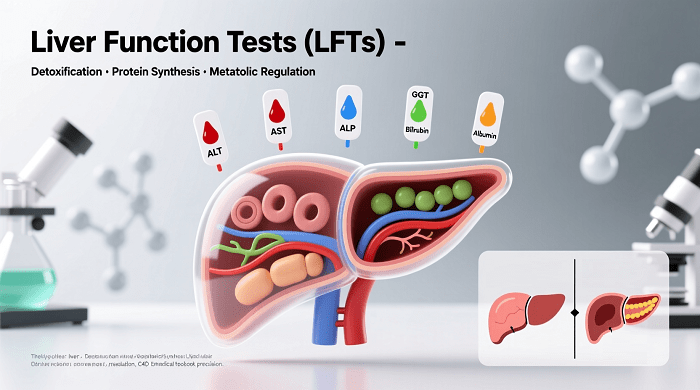
Liver Function Tests: What Each Marker Means
Last Updated on 09/26/2026 by DrHelal, MD Medical Doctor with 50+ Years of Clinical Practice • [Read Full Author Bio & Credentials →]
Liver function tests (LFTs) are a group of blood testing that give valuable insights into the health of your liver. As one of the most vital organs, the liver detoxifies harmful substances, produces proteins, and regulates biochemical processes. LFTs can diagnose potential conditions. But what do the results really mean?
In this article, we’ll explore the common markers included in liver activity tests. We will explain their significance and give practical tips for understanding your results. Plus, how they can help you maintain a healthy liver. Stay with us, your liver’s health depends on it.
Liver Functions: The Basics
The liver, the largest solid organ in the body, performs many vital functions that include. Read in details Liver Functions: Over 500 Reasons to Keep it Healthy
Key Liver Function Tests: What They Mean
Liver function tests are a group of blood tests that provide critical insights into how well your liver is working. These tests measure enzymes, proteins, and byproducts in your bloodstream to detect inflammation, damage, blockages, or impaired liver function. Understanding what each marker measures and what abnormal results signal can help you stay informed about your overall health and support early detection of liver-related conditions. Below are the most important liver function tests, their normal ranges, and what your results may indicate.
1. Alanine Aminotransferase (ALT)
ALT is an enzyme primarily found in the liver, with its main role being to assist the body in metabolizing proteins. The typical normal range for ALT is 7–56 units per liter (U/L).
When ALT levels are elevated, it often signals liver inflammation or damage. Common causes include viral hepatitis, fatty liver disease, or excessive alcohol consumption. Certain medications—such as statins and high doses of acetaminophen—can also raise ALT levels.
This test is especially valuable because it is highly specific to the liver. Since ALT is concentrated almost entirely within liver cells, damage to these cells causes the enzyme to leak into the bloodstream. As a result, a rising ALT level is one of the clearest early warning signs that liver tissue may be under stress or injured.
2. Aspartate Aminotransferase (AST)
AST is another enzyme involved in amino acid metabolism, but unlike ALT, it is not exclusive to the liver. It is also present in significant amounts in the muscles, heart, kidneys, and other tissues. Its normal range is generally 10–40 U/L.
Elevated AST levels can indicate liver damage, but because the enzyme exists in other parts of the body, it is less liver-specific than ALT. For instance, strenuous exercise, muscle injury, or a heart attack can also cause AST levels to rise independently of liver health.
A particularly useful metric is the AST/ALT ratio. When AST levels are significantly higher than ALT—specifically a ratio greater than 2:1—it often points to alcohol-related liver damage. This pattern can also be a sign of advanced liver scarring, known as fibrosis.
3. Alkaline Phosphatase (ALP)
ALP is an enzyme found in the liver, bile ducts, bones, and intestines. It supports the breakdown of proteins and plays an important role in several metabolic processes. The standard normal range is approximately 45–115 U/L.
High ALP levels most commonly suggest issues related to bile flow or the bile ducts. Examples include blockages from gallstones, inflammation of the bile ducts, or cholestasis—a condition where bile flow is slowed or stopped. ALP can also rise in bone disorders such as Paget’s disease or during periods of rapid bone growth, meaning elevated results do not always stem from liver problems.
Because ALP originates in multiple tissues, doctors often order a follow-up test called gamma-glutamyl transferase (GGT) alongside it. If GGT is also elevated, it helps confirm that the high ALP is liver-related rather than coming from bone or another source.
4. Bilirubin
Bilirubin is a yellow pigment formed when old red blood cells break down. A healthy liver filters bilirubin out of the blood and excretes it through bile. The normal range for total bilirubin is typically 0.1–1.2 milligrams per deciliter (mg/dL).
When bilirubin levels rise, it causes jaundice—yellowing of the skin and the whites of the eyes. This can result from liver inflammation such as hepatitis, permanent scarring from cirrhosis, or physical blockage of the bile ducts. It may also occur when red blood cells break down too quickly, a process called hemolysis, which overwhelms the liver’s ability to process the pigment.
Doctors distinguish between two forms of bilirubin to pinpoint the cause. Direct bilirubin has already been processed by the liver; elevated levels usually indicate a problem with bile excretion or obstruction. Indirect bilirubin has not yet been processed; high levels typically point to issues outside the liver, such as increased red blood cell destruction.
Other Markers in Liver Function Tests
While ALT, AST, ALP, and bilirubin are the primary markers, other tests are often included to give a comprehensive picture of liver health:
- Gamma-Glutamyl Transferase (GGT): Helps distinguish between liver and bone-related ALP elevations. High levels are often linked to bile duct issues or alcohol-related liver damage.
- Albumin: A protein produced by the liver. Low albumin levels may indicate chronic liver disease or malnutrition.
- Prothrombin Time (PT): Measures how long it takes your blood to clot. Prolonged PT can signal liver dysfunction.
What Do These Levels Tell Us About Liver Health?
LFTs are not just numbers on a report; they provide clues to a range of liver conditions:
- Hepatitis: Acute hepatitis often causes a sharp increase in ALT and AST levels. Chronic hepatitis show moderately elevated levels over time.
- Fatty Liver Disease: Both alcoholic and non-alcoholic fatty liver disease can elevate ALT and AST.
- Cirrhosis: Advanced liver scarring lowers albumin and increases bilirubin.
- Bile Duct Obstruction: Elevated ALP and bilirubin suggest blockages in bile flow.
- Drug-Induced Liver Injury: Some medications and supplements can spike ALT and AST levels.
- Liver Cancer or Tumors: can elevate ALP and bilirubin levels due to bile duct compression.
When Should You Get Liver Function Tests?
- Have risk factors such as obesity or diabetes
- Have a history of alcohol abuse
- Are diagnosed with hepatitis or other liver diseases
- Take medications that affect the liver
- Have symptoms like fatigue, abdominal pain, or jaundice
Liver Tests vs. Other Blood Tests
| Test Type | What It Measures | Why It’s Important |
|---|---|---|
| Liver Function Tests | Enzymes, bilirubin, proteins | Assesses overall liver health |
| Hepatitis Panel | Detects hepatitis A, B, C viruses | Identifies viral infections affecting the liver |
| Blood Sugar Tests | Glucose levels | Monitors diabetes, which impacts the liver |
| Lipid Profile | Cholesterol and triglycerides | Links fatty liver to cardiovascular health |
Keeping Your Liver Healthy
Whether your liver function tests come back normal or show abnormalities, maintaining liver health is vital. Here are some tips:
- Limit Alcohol: Excessive drinking is a leading cause of liver damage.
- Maintain a Healthy Weight: Obesity is a major risk factor for fatty liver disease.
- Eat a Balanced Diet: Include plenty of fruits, vegetables, and whole grains while limiting processed foods.
- Exercise Regularly: Physical activity helps reduce liver fat and inflammation.
- Avoid Overuse of Medications: Stick to recommended dosages and avoid unnecessary supplements.
- Get Vaccinated: Vaccines for hepatitis A and B can protect your liver.
Liver function tests provide critical insights into your health, but they’re just one piece of the puzzle. Understand what each marker means. Work closely with your healthcare provider. You can take proactive steps to protect and improve your liver health.
Trusted Resources for Liver Health
- American Liver Foundation
- World Health Organization – Liver Disease
- National Institute of Diabetes and Digestive and Kidney Diseases
- Mayo Clinic
- Elevated liver enzymes: Causes, symptoms, tests, and treatment (medicalnewstoday.com)
- Mildly Elevated Liver Transaminase Levels: Causes and Evaluation | AAFP
SUMMARY
Liver function tests help us to know the status of the liver, and whether it is functioning normally. There is a wide variety of tests that must be within the normal range. Blood tests for liver function test include ALT, AST, ALP, Total protein, Albumin, Bilirubin, GGT, LD, PT and others.
🏥 Safeguard Your Health with Our Comprehensive Liver Function Tests at Helal Medical!
If you suspect that you may have symptoms, Helal Medical can help, offering quick, private, and convenient testing options. You may contact us here: Facebook page.
Read More about Liver Diseases:
- Chronic Alcohol Abuse: Understanding the Link between Alcohol and Liver Disease
- The Ultimate Guide to a Healthy Liver: For Optimal Liver Health
- Liver Diseases: A Comprehensive Guide
- Exercises For Liver Health: Boosting Your Well-being
- Liver and hormone imbalance
- Gallbladder Diseases: Causes, Symptoms, Diagnosis, and Treatment
Discover more from Helal Medical Manila
Subscribe to get the latest posts sent to your email.


