
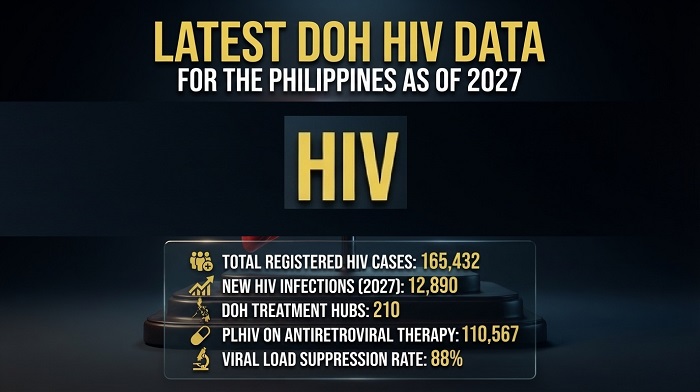
DOH HIV Data: Latest Figures, Progress, and Critical Gaps in the Philippines
I am Dr. Helal from Helal Medical, Manila. HIV remains one of our country’s most important public health concerns. The Department of Health regularly releases updated numbers so we can see where we stand, what is working well, and where we still need to do better. Understanding DOH HIV Data helps every Filipino see the full picture—including progress, gaps, and the path ahead.
The latest estimates show that 288,000 people are living with HIV across the country. Of this total, 157,350 have received a confirmed diagnosis. Being diagnosed is the first major step toward getting the right care and support. Yet these numbers also tell us that many others still do not know they carry the virus, which is why widespread testing remains so very important.
Antiretroviral therapy, or ART, is the standard treatment that controls the virus and protects your health. Right now, 108,367 people in the Philippines are receiving this life-saving medicine. Treatment is widely available, and results are very positive for those who stay consistent. But there is still work to do to make sure everyone who needs care can access it without delay.
Key Numbers and What They Mean
When we look at those who have been tested and monitored closely, the results are truly encouraging. Among this group, 59,540 people have achieved viral suppression. This means the virus is controlled so well in their bodies that it does not damage their health and is very unlikely to spread to others. This number equals 97 percent of those tested—proof that treatment works beautifully when followed correctly.
Viral suppression is the main goal of HIV care. It means the medicine is doing its job effectively. People who reach this stage can live long, healthy lives and do not pass the virus to their partners. The high success rate among those being monitored shows that our national treatment program is sound. Our focus now must be helping more people reach this same strong outcome.
The Critical Gap We Need to Close
Now we must look at the bigger picture. When we consider all people living with HIV who are on treatment, only 55 percent are virally suppressed. That means nearly half of those receiving medicine still do not have the virus fully under control. This leaves them at higher risk of becoming sick and of passing the virus to others. This gap is real, and it is something we must address together.
Several factors explain this difference. Some people start treatment but do not take their medicine every day exactly as prescribed. Others stop coming for check-ups or run out of medication due to cost or distance from clinics. Some find it hard to keep appointments because of work or family duties. Understanding these barriers helps us create better support systems so everyone can stay on track.
Why Consistent Care Makes All the Difference
Antiretroviral therapy works best when taken exactly as instructed—every single dose, every day. Skipping doses or stopping allows the virus to recover and grow stronger. Over time, the medicine may stop working as well. This is why adherence—sticking faithfully to your treatment plan—is the most important part of managing HIV. It protects your health and helps prevent the virus from spreading further.
Regular monitoring through blood tests shows whether the medicine is working. These tests check viral load—the amount of virus in your body. Results guide your doctor in adjusting your treatment if needed. Consistent care also means uninterrupted supply of medication, so you never run out. When these pieces come together, viral suppression follows reliably, and you stay well.
Summary
DOH HIV Data shows both success and areas needing urgent attention. We have 288,000 people living with HIV; 157,350 are diagnosed; 108,367 are on treatment; and 59,540 are virally suppressed. Among those tested and monitored, the success rate is 97 percent—excellent proof that our treatment approach works well.
Still, overall viral suppression across all people in treatment stands at just 55 percent. That gap tells us we must expand testing, connect more people to care quickly, and support those in treatment to stay consistent. Every person living with HIV deserves the chance to reach full viral suppression and good health.
DOH HIV Data guides our next steps: test more, treat faster, monitor regularly, and help everyone stay on their medication. When we close this gap, we protect individuals, families, and our whole nation. If you have not been tested, please do so soon. If you are in care, keep every appointment and take your medicine faithfully. You are not alone.
References
- Department of Health Philippines — HIV/AIDS Surveillance and Program Data
- World Health Organization — HIV Country Profile: Philippines
- Joint United Nations Programme on HIV/AIDS — Philippines Statistics
- PhilHealth — HIV/AIDS Treatment and Care Benefits
- Republic Act No. 11166 — Philippine HIV and AIDS Policy Act
Discover more from Helal Medical Manila
Subscribe to get the latest posts sent to your email.


