
Lung Cancer: Understanding, Prevention for Filipinos
Last Updated on 02/25/2026 by DrHelal
Lung cancer is a serious health concern. It affects many Filipinos each year. Early detection improves survival rates. Prevention is the best approach. Understanding this cancer is crucial. We can then take action to protect ourselves.
You could significantly reduce your risk! Small changes can make a big difference. Learning about lung cancer can save your life. Are you ready to take control of your health?
In this article, we will explore lung cancer in detail. We will discuss risk factors and prevention. We will also cover treatment options. This information is for Filipinos.
You may want to read our cornerstone article (Malignant Diseases, Cancer: Understanding and Taking Action).
What is Lung Cancer?
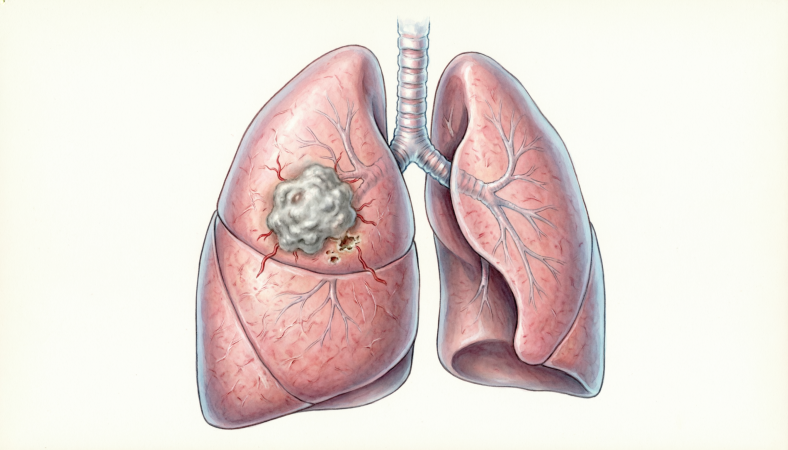
It is a malignant disease that starts in the lungs where cells grow out of control forming tumors. that interfere with lung function. Lung cancer can spread to other organs, this is called metastasis.
Types
- Non-Small Cell Lung Cancer (NSCLC): This is the most common type. It grows and spreads more slowly.
- Small Cell Lung Cancer (SCLC): This type grows and spreads quickly. It is strongly linked to smoking.
Risk Factors for Lung Cancer
Several factors increase the risk, understanding them is important for proper prevention and management.
- Smoking is the leading cause of this cancer. Cigarettes, cigars, and pipes all increase risk.
- Secondhand Smoke: Breathing in smoke from others increases risk.
- Radon Exposure: Radon is a radioactive gas. It can seep into homes from the ground.
- Asbestos Exposure: Asbestos is a mineral fiber. It was used in building materials.
- Air Pollution: Exposure to polluted air increases risk.
- Family History: Having a family history increases risk.
- Age: Risk increases with age.
Lung Cancer in the Philippines
It is a significant health problem in the Philippines, a leading cause of cancer death. Filipinos need to be aware of the risks. Prevention is key to reducing the burden.
Smoking Prevalence
Smoking is common in the Philippines contributing to high lung cancer rates. Public health campaigns are important to help people quit smoking.
Environmental Factors
Air pollution is a concern in urban areas. This increases cancer risk for Filipinos. Radon exposure is also a potential risk.
Access to Healthcare
Access to healthcare varies. Early detection can improve outcomes. More access is needed for all Filipinos.
Prevention Strategies for Filipinos
Preventing lung cancer is possible, Filipinos can take steps to reduce their risk.
Quit Smoking
Quitting smoking is the best thing. It reduces the risk greatly. Support is available to help you quit.
Avoid Secondhand Smoke
Stay away from smokers. Protect yourself from secondhand smoke. This reduces your risk.
Test for Radon
Test your home for radon. Radon test kits are available. Mitigation systems reduce radon levels.
Reduce Air Pollution Exposure
Limit outdoor activities on polluted days. Use air purifiers indoors.
Healthy Lifestyle
Eat a healthy diet. Exercise regularly. Maintain a healthy weight. This reduces cancer risk.
Screening and Early Detection
Early detection improves survival rates. Screening can find lung cancer early.
Who Should Be Screened?
- Smokers: Current and former smokers should consider screening.
- High-Risk Individuals: Those with other risk factors should consider screening.
Screening Methods
- Low-Dose CT Scan (LDCT): This is the recommended screening test. It uses X-rays to create images.
Discuss with Your Doctor
Talk to your doctor about screening. They can help you decide if it is right.
Symptoms of Lung Cancer
Recognizing symptoms is important. See a doctor if you experience these.
- Persistent Cough: A cough that doesn’t go away.
- Coughing up Blood: This is a serious symptom.
- Chest Pain: Pain when breathing or coughing.
- Shortness of Breath: Difficulty breathing.
- Wheezing: A whistling sound when breathing.
- Hoarseness: A change in your voice.
- Weight Loss: Unexplained weight loss.
- Fatigue: Feeling tired all the time.
Important Symptoms to Monitor
If you are experiencing any of the following, please seek medical attention:
- A persistent cough that doesn’t go away.
- Coughing up blood (even small amounts).
- Shortness of breath or chest pain.
- Unexplained weight loss.
Treatment Options for Lung Cancer
Lung cancer treatment varies! Options include surgery, radiation, chemotherapy, targeted therapy, and immunotherapy. Often, a combination is used. The approach depends on the cancer’s stage, your overall health, and specific genetic mutations. Discuss with your doctor to find the best plan!
The Importance of Support
A cancer diagnosis is difficult. Support is important for patients and families.
Support Groups
These groups connect you with others. Share experiences and get support.
Counseling
Counseling helps manage emotions. It also helps cope with cancer.
Family and Friends
Lean on family and friends. They provide love and support.
Flu-like illness and Lung Health
The article “Flu-like illness on the rise amid cooler weather” highlights respiratory health. Lung cancer weakens the lungs. This makes people more vulnerable. Preventing respiratory infections is important.
Vaccination
Vaccination protects against flu. It also protects against pneumonia.
Hygiene
Wash your hands often. Avoid contact with sick people.
Conclusion: Taking Action Against Lung Cancer
Lung cancer is a serious threat but Filipinos can take steps to protect themselves. These steps include quitting smoking and avoiding secondhand smoke and reduce air pollution. Get screened if you are at high risk. Support is available for patients and families, together, we can fight lung cancer.
If you suspect that you may have symptoms, Helal Medical can help, offering quick, private, and convenient testing options. Also, you may contact us here: Facebook page
Discover more from Helal Medical Manila
Subscribe to get the latest posts sent to your email.

