
Mental Health: Understanding Stress, Anxiety, and Emotional Well-Being
Last Updated on 02/18/2026 by Helal Medical
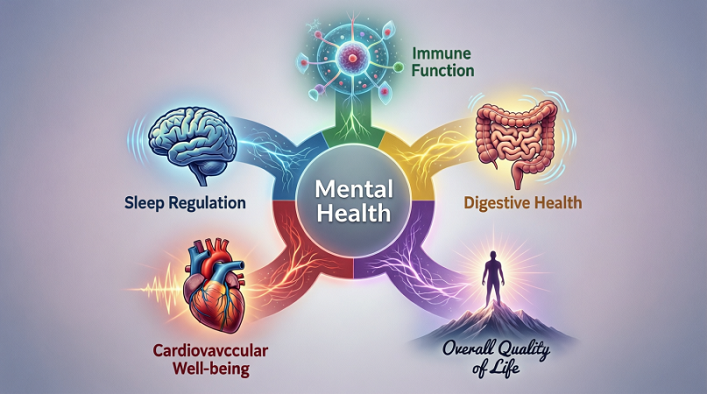
Mental health is not just about emotions or mood. It directly affects sleep, immunity, digestion, heart health, and overall quality of life. In this article, you will learn what mental health truly means. You will discover how stress and anxiety affect the body and the common warning signs that you should not ignore. You’ll also learn how to protect your well-being before symptoms become overwhelming.
What Is Mental Health?
Mental health refers to a person’s emotional, psychological, and social well-being. It influences how we think, feel, behave, handle stress, relate to others, and make decisions. Well-being does not mean the absence of stress or sadness. It is rather the ability to cope, adapt, and function effectively.
It exists on a spectrum. At one end is emotional balance and resilience; at the other are conditions that significantly interfere with daily life.
Why It Matters More Than You Think
Mental health affects nearly every system in the body. Chronic emotional stress can contribute to:
- Sleep disturbances
- Digestive problems
- Hormonal imbalance
- High blood pressure
- Heart disease
- Weakened immunity
What are the 10 types of mental disorders?
Here are ten common types of mental disorders:
- Substance Use Disorders
- Anxiety Disorders (e.g., generalized anxiety disorder, panic disorder)
- Mood Disorders (e.g., depression, bipolar disorder)
- Schizophrenia and Psychotic Disorders
- Obsessive-Compulsive Disorder (OCD)
- Post-Traumatic Stress Disorder (PTSD)
- Eating Disorders (e.g., anorexia nervosa, bulimia)
- Personality Disorders (e.g., borderline personality disorder)
- Attention-Deficit/Hyperactivity Disorder (ADHD)
- Autism Spectrum Disorders
Stress: The Most Common Mental Challenge
What Is Stress?
Stress is the body’s response to pressure or perceived threat. Short-term stress can be helpful, improving focus and reaction time. Chronic stress, however, becomes harmful.
How Chronic Stress Affects the Body
Long-term stress leads to persistent activation of stress hormones such as cortisol and adrenaline. This can cause:
- Increased blood pressure
- Elevated blood sugar
- Sleep problems
- Muscle tension
- Digestive disturbances
Over time, chronic stress contributes to anxiety, depression, and physical disease.
Anxiety Disorders: When Worry Becomes Excessive
Normal Anxiety vs. Anxiety Disorders
Occasional worry is normal. Anxiety becomes a disorder when fear or worry is:
- Excessive
- Persistent
- Difficult to control
- Interfering with daily life
Common Symptoms of Anxiety
- Constant nervousness or restlessness
- Rapid heartbeat
- Shortness of breath
- Difficulty concentrating
- Muscle tension
- Sleep problems
Anxiety disorders are among the most common mental conditions worldwide.
Depression: More Than Just Feeling Sad
Depression is a medical condition, not a weakness or personal failure.
Common Symptoms of Depression
- Persistent low mood
- Loss of interest or pleasure
- Fatigue
- Changes in appetite or weight
- Sleep disturbances
- Feelings of hopelessness or guilt
- Difficulty concentrating
Symptoms lasting more than two weeks warrant medical evaluation.
Connection Between Mental and Physical Health
Mental Health and Sleep
Poor mind health disrupts sleep, while poor sleep worsens mental health. This creates a vicious cycle that affects concentration, mood, and immunity.
Connection of Mental and Gut Health
The gut–brain axis connects Your brain with digestion. Stress and anxiety alter gut motility and microbiome balance, contributing to digestive symptoms.
Connection Between Mental and Heart Health
Chronic stress and depression increase the risk of:
- Hypertension
- Heart disease
- Stroke
Mind health care is therefore an essential part of cardiovascular prevention.
🔗 Trusted source: World Organization
Common Mental Health Conditions
Adjustment Disorders
Short-term emotional or behavioral symptoms following a major life change or stressor.
Panic Disorder
Sudden episodes of intense fear accompanied by physical symptoms such as chest pain, palpitations, or shortness of breath.
Burnout
Emotional exhaustion related to chronic work or caregiving stress, increasingly common in healthcare workers.
Sleep-Related Mental Disorders
Insomnia and circadian rhythm disturbances often coexist with anxiety and depression.
Risk Factors for Mental Problems
Biological Factors
- Family history
- Hormonal changes
- Chronic medical illness
Psychological Factors
- Trauma
- Poor coping skills
- Negative thought patterns
Social Factors
- Work stress
- Financial pressure
- Social isolation
- Caregiving burden
Mental conditions usually result from a combination of factors rather than a single cause.
How to Protect and Improve Your Mind
1. Prioritize Quality Sleep
Sleep regulates mood, memory, and emotional resilience. Poor sleep worsens anxiety and depression.
2. Stay Physically Active
Regular exercise improves mood by increasing endorphins and reducing stress hormones.
3. Maintain Social Connections
Strong relationships provide emotional support and reduce feelings of isolation.
4. Manage Stress Proactively
Effective strategies include:
- Time management
- Relaxation techniques
- Mindfulness practices
- Setting realistic expectations
5. Limit Alcohol and Stimulants
Excess alcohol and caffeine worsen anxiety and sleep problems.
Treatment Options
Psychological Therapies
- Cognitive behavioral therapy (CBT)
- Stress management counseling
- Supportive psychotherapy
Medications
Antidepressants and anti-anxiety medications can assist with moderate to severe symptoms. A physician should prescribe and monitor these medications.
Integrated Care
The best outcomes often occur when lifestyle changes, therapy, and medication are combined as needed.
🔗 Trusted source: National Institute of – Mental Disorders
When Should You See a Doctor?
You should seek professional help if:
- Symptoms persist for more than two weeks
- Daily functioning is affected
- Sleep, appetite, or concentration is significantly impaired
- You experience panic attacks
- You feel hopeless or overwhelmed
Early intervention prevents symptoms from becoming severe.
Breaking the Stigma
Mental conditions are common and treatable. Seeking help is a sign of awareness and responsibility, not weakness. Open discussion and early care improve outcomes for individuals and families.
Frequently Asked Questions
Is mental illness permanent?
No. Many people recover fully with appropriate treatment and support.
Can lifestyle changes alone help?
Mild symptoms may improve with lifestyle changes, but persistent or severe symptoms require professional care.
Can mental problems cause physical symptoms?
Yes. Many people experience headaches, chest discomfort, digestive issues, or fatigue related to mental stress.
Summary
Mental status affects how we think, feel, and function every day. Stress, anxiety, and depression can affect sleep, digestion, heart health, and immunity. Good sleep and physical activity are crucial for well-being. Managing stress effectively is also important. Seeking early medical support helps prevent long-term physical and emotional problems.
Final Takeaway
Mental health is a core part of overall well-being, not a separate issue. Understanding stress, recognizing early warning signs, and seeking timely support can protect both mental and physical well-being. Caring for mental health is one of the most important steps toward a healthier, more balanced life.
If you suspect that you may have symptoms, Helal Medical can help, offering quick, private, and convenient testing options. You may contact us here: Facebook page
Read More Our Cornerstone Articles:
Discover more from Helal Medical Manila
Subscribe to get the latest posts sent to your email.


