Heart Health: How to Prevent Heart Disease Before It Starts
Last Updated on 08/28/2026 by DrHelal, MD Medical Doctor with 50+ Years of Clinical Practice • [Read Full Author Bio & Credentials →]
Heart disease still considered, as per 2026, the leading cause of death worldwide. Many people only start thinking about their heart when symptoms appear. This is wrong. The disease starts long before symptoms appear!
💡 Doctor’s Clinical Note (from my experience):
In my long clinical experience, I see patients used to abuse their heart health; addicting harmful habits. I advised them to quit smoking, but in vain. They frequently ignored warning signs and symptoms like chest pain, headache and others. Hypertension and high cholesterol silent-damage arteries for years. One patient presented dizziness and headache. He smiled when I asked him to practice daily walk as a line of prophylactic measures beside taking some medicines. he rushed out of my office not satisfied!
In this article, you will learn how heart disease develops and what are the early warning signs many people ignore. We will also discuss the most important risk factors. Finally, you will learn about practical steps you can take today to protect your heart health before serious problems occur.
What Is Heart Health and Why Does It Matter?
Heart health means how well your heart and blood vessels do their jobs; supplying oxygen and nutrients to your whole body. A healthy heart must beat regularly, and pumps blood efficiently. And it’s also able to adapt to your physical and emotional demands without difficulty.
When heart health is negatively affected, conditions such as coronary artery disease, heart attack, heart failure, and stroke may develop. These conditions often progress silently over many years, which is why prevention and early detection are critical.
(Source: What Is Cardiovascular Health and What Affects It?)
Prevalence of Heart Disease
Too many people died because of heart disease. Statistics in 2022 showed more than 18 million deaths. This is frightening! It represents about 32% of the global deaths due to heart disease. Of these 85% were due to heart attack and stroke.
Cardiovascular diseases (CVDs) causing nearly 1 out of every 3 deaths worldwide making them the single largest cause of mortality globally. During my internship over 48 years ago, daily deaths in cardiology wards were a tragic reality. Decades later, cardiovascular disease continues to claim far too many lives.
[Source: Cardiovascular diseases (CVDs)]
How Heart Disease Develops
This is how heart disease develops; plaque builds up in arteries, narrows them, reduces blood flow and raises pressure inside the arteries. This process will damage the vessels, and leads to heart attack or failure.
1. Atherosclerosis: The Silent Process
Most heart disease begins with a slow buildup of fatty deposits (plaques) inside the arteries (atherosclerosis). These plaques, day after day, narrow the arteries and reduce blood flow to the heart muscle. This process can start may remain unnoticed for decades.
2. Reduced Blood Flow and Oxygen
As arteries narrow due to the abo process:
- The heart receives less blood that means less oxygen.
- The heart works harder to pump blood, then symptoms appear during exertion or stress.
- If a plaque ruptures, separated from the vessel wall, a blood clot can form and suddenly block blood flow, leading to a heart attack.
Common Types of Heart Disease
1. Coronary Artery Disease (CAD)
The most common form, caused by narrowed coronary arteries supplying the heart.
2. Heart Attack (Myocardial Infarction)
Occurs when blood flow to part of the heart is suddenly blocked. Recognizing Heart Attack Symptoms Early
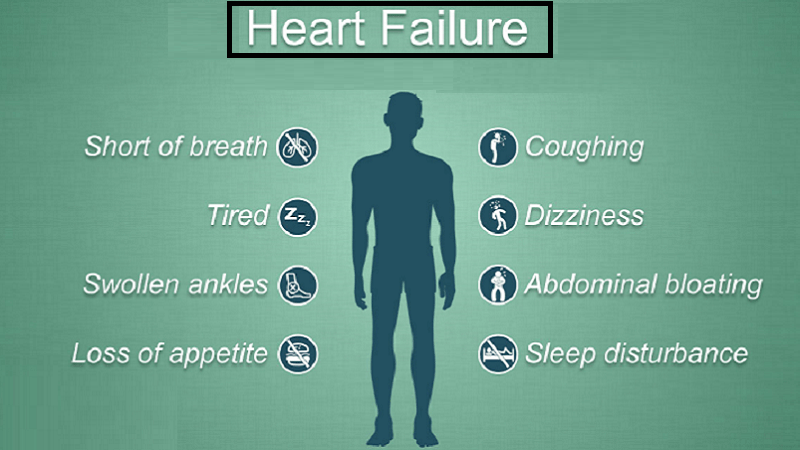
3. Heart Failure
A condition where the heart cannot pump blood effectively to meet the body’s needs. heart. Heart-Failure-Symptoms
4. Arrhythmias
Abnormal heart rhythms that may cause palpitations, dizziness, or fainting.
5. Valvular Heart Diseases
Valvular heart diseases involve abnormalities in the heart valves, impairing their ability to regulate blood flow properly. Conditions like aortic stenosis or mitral regurgitation can lead to symptoms such as chest pain, fatigue, and shortness of breath.
Early Warning Signs: Watch for Heart Health
Many people expect heart disease to present dramatically, but early symptoms are often subtle.
1. Common Early Symptoms
- Chest discomfort or pressure (especially with exertion)
- Shortness of breath
- Unusual fatigue
- Palpitations or irregular heartbeat
- Dizziness or lightheadedness
2. Less Typical Symptoms
- Jaw, neck, shoulder, or arm pain
- Indigestion-like discomfort
- Nausea or sweating without obvious cause
These symptoms should never be ignored, especially in individuals with known risk factors.
Major Risk Factors for Heart Disease
1. Risk Factors You Cannot Change
Age, risk increases after 40–50 – family history, Family members with heart disease) and Being male is also a risk factor (earlier risk), though women catch up after menopause
2. Risk Factors You Can Control
As a medical doctor with decades of experience, I can assure that You and everyone else, have the power to lower heart disease risk! Simply quit smoking, No or limit alcohol, eat less salt/sugar and less saturated fat. Also, staying active, and maintaining a healthy weight can protect your heart health.
Keep blood pressure under control, cholesterol, High blood pressure, and blood sugar within normal levels. Chronic stress management and quality sleep and small changes will protect your heart for life!
Here are the most common risk factors, all of them are modifiable:

The Link Between Heart Health and Other Conditions
1. Heart Health and Diabetes
High blood sugar damages blood vessels and accelerates atherosclerosis. People with diabetes have a much higher risk of heart attack and stroke. Diabetes and Your Heart | Diabetes | CDC.
2. Heart Health and High Blood Pressure
Uncontrolled hypertension forces the heart to work harder, leading to thickened heart muscle and eventual heart failure. [High blood pressure is a major risk for heart attacks, but it’s also one of many that play a role in your overall health: Your FAQs Answered: Blood Pressure and Heart Health]
3. Heart Health and Sleep
Poor sleep and conditions like sleep apnea increase blood pressure, inflammation, and cardiovascular risk. [Sleep problems can hurt your heart health: About Sleep and Your Heart Health | Heart Disease | CDC]
Screening and Early Detection of Heart Disease
1. Routine Checks Everyone Should Have
- Blood pressure measurement for hypertension.
- Fasting blood sugar for diabetes.
- Lipid profile (cholesterol levels).
- Body mass index (BMI) for obesity.
2. Additional Tests (When Indicated)
- Electrocardiogram (ECG)
- Stress testing
- Echocardiography
- Coronary calcium scoring
(Source: Early Detection and Prevention of Heart Disease | MyCardiologist)
Lifestyle Habits That Protect Your Heart
1. Heart-Healthy Nutrition
Read more about Heart-Healthy Diet: Foods That Lower Blood Pressure Naturally. Focus on the following foods:
- Fruits and vegetables
- Whole grains
- Lean protein (fish, poultry, legumes)
- Healthy fats (olive oil, nuts)
Limit these foods:
- Processed foods
- Excess salt
- Sugary beverages
- Trans and saturated fats
2. Regular Physical Activity
Aim for:
– At least 150 minutes of moderate exercise per week
– Brisk walking, cycling, swimming, or light jogging
Regular exercise improves blood pressure, cholesterol, blood sugar, and overall heart function.
3. Weight Management
Even modest weight loss can significantly reduce cardiovascular risk.
4. Quit Smoking
Smoking damages blood vessels and doubles the risk of heart disease. Stopping smoking provides benefits almost immediately.
Stress and Heart Health
Chronic stress increases heart rate, blood pressure, and inflammation. Over time, this contributes to heart disease. Practical steps to manage stress:
- Regular physical activity
- Adequate sleep
- Relaxation techniques
- Social support
Managing stress is not optional, it is a key component of heart health.
Medications and Heart Disease Prevention
When lifestyle changes are not enough, medications may be required with life style changes:
- Blood pressure medications
- Cholesterol-lowering drugs (statins)
- Blood sugar–controlling agents
- Antiplatelet therapy (when indicated)
Medication should always be guided by a physician and tailored to individual risk.
When Should You See a Doctor?
You should seek medical evaluation if you:
- Have chest pain or pressure
- Experience unexplained shortness of breath
- Have persistent palpitations
- Feel extreme fatigue without clear cause
- Have multiple cardiovascular risk factors
Early consultation saves lives.
Frequently Asked Questions
1. Can heart disease be prevented?
In many cases, yes. Most heart disease is preventable through lifestyle modification and early medical care.
2. Is heart disease only a problem for older people?
No. Risk begins early, especially with obesity, diabetes, smoking, or family history.
3. Are symptoms different in women?
Yes. Women may experience more subtle symptoms such as fatigue, nausea, or shortness of breath rather than classic chest pain.
Simplified Summary
Heart disease develops slowly over many years, often without symptoms. High blood pressure, diabetes, high cholesterol, smoking, stress, and poor sleep all increase the risk. Most people can protect their heart by eating well and staying active. Managing stress and controlling medical conditions are also crucial. Regular checkups help prevent serious complications.
Final Takeaway
Heart health is not something to think about only after a problem appears. It is built daily through lifestyle choices, early screening, and timely medical care. Understanding your risk can dramatically reduce the chances of heart attack, heart failure, and stroke. Taking action early can help you live a longer, healthier life.
Sources:
- World Health Organization – Cardiovascular Diseases
- https://www.who.int/news-room/fact-sheets/detail/cardiovascular-diseases-(cvds)
- Preventing Heart Disease | CDC www.cdc.gov › heart–disease › prevention
- Heart disease still considered, as per 2026, the leading cause of death worldwide. 2026 Heart Disease and Stroke Statistics: A Report of US and.
- https://www.heart.org/en/health-topics/consumer-healthcare/what-is-cardiovascular-disease: Heart and blood vessel disease, also called heart disease, includes numerous problems, many of which are related to atherosclerosis.
- National Heart, Lung, and Blood Institute – Heart Disease
https://www.nhlbi.nih.gov/health/heart-disease
Read More:
- Contact us here
- Gut Health: Understand the importance to main your gut healthy for your overall health!
- Sleep Health
- Men’s Health:
- Prostate Health
- Mental Health
🔗 Connect with Helal Medical:
If you suspect that you may have symptoms, Helal Medical can help, offering quick, private, and convenient testing options. You may contact us here: Facebook page, Get Free medical consultation!
This article provides general information. Always consult with a healthcare professional for personalized medical advice.
Discover more from Helal Medical Manila
Subscribe to get the latest posts sent to your email.