
Understanding Testosterone Disorders: Signs, Health Effects, and Help Available in the Philippines
Last Updated on 08/29/2026 by DrHelal, MD Medical Doctor with 50+ Years of Clinical Practice • [Read Full Author Bio & Credentials →]
Hello, I am Dr. Helal from Helal Medical in Manila. I have cared for many patients who feel tired, low in energy, or notice changes in mood and body strength. Many do not know these issues may link to testosterone disorders.
I write his guide for ordinary Filipinos like you. This is to help you recognize warning signs early. When you know what to look for, you can seek help sooner. Early care often means better results and lower cost. You deserve to feel strong and energetic at every age.
During my practice at Helal Medical Manila, I noticed that many people feel shy talking about hormone health, that is normal. Please remember hormone balance is just like blood pressure or blood sugar, it is a body function we can check and manage with proper care. You are not alone. Help is available right here in the Philippines, and many support programs exist to make care affordable.
What Testosterone Does in the Body
Testosterone is often called a “male hormone,” but that is not fully correct. Every person—men, women, and young adults—makes some testosterone. It works alongside other hormones to keep your body working well. It supports muscles, bones, energy, mood, and normal thinking. When levels stay in the right range, you usually feel good and stay active daily.
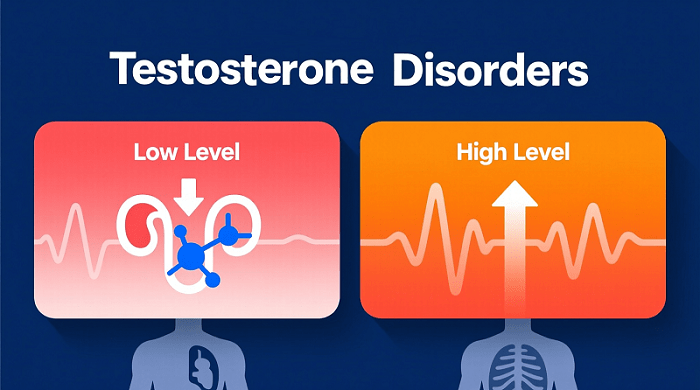
Problems begin when levels go too low or rise too high. These imbalances are what we call testosterone disorders. Low levels may make you feel tired all day, lose muscle even with exercise, gain weight easily, or feel less interest in usual activities. High levels can cause restlessness, sleep trouble, unusual hair growth, or unexpected mood shifts.
Many things change your hormone levels over time age is one factor. Health conditions like diabetes, high blood pressure, or being overweight also affect testosterone. Poor sleep, too much stress, and lack of daily movement can throw levels off. Sometimes the cause is a gland problem or genetic trait. Finding the exact cause helps us choose the safest and most effective care plan for you.
Common Signs and How We Check It
Recognizing Warning Signs at Home
You do not need special tools to notice changes in your body. Watch for these common signs: constant tiredness that does not improve with rest, weaker strength, thinner or softer muscles, extra fat around the belly, low mood, or trouble sleeping. In women, signs may include irregular periods, extra hair on the face or body, or acne that keeps coming back. These changes do not always mean you have a hormone issue, but they deserve attention.
Many people ignore these changes because they think it is just “getting older.” That is a mistake. You can stay strong and energetic as you age. When changes happen quickly or feel very difficult, it is time to see a doctor. A simple blood test can show your testosterone levels clearly. Results help us see if your symptoms come from hormone imbalance or something else.
Getting Tested and What Results Mean
Testing is simple and safe. A small amount of blood is taken from your arm, usually in the morning when hormone levels are most stable. We check total testosterone and sometimes “free” testosterone—the part that actually works in your body. Results come back in a few days. Your doctor will explain if your levels are normal, low, or high, and what that means for your daily life and future health.
Normal ranges change with age and differ between men and women. There is no single “perfect number” for everyone. We look at your results together with your symptoms, health history, and daily habits. We do not rush to give medicine. Sometimes better sleep, healthy food, losing a little weight, and walking more can bring levels back to normal safely and naturally.
When To See a Doctor
Seek consultation if you have:
- Persistent low libido or erectile issues
- Unexplained fatigue or mood changes
- Irregular periods, acne, or excess hair growth
- Difficulty getting pregnant
- Sudden weight or body changes
Primary care doctors in the Philippines can start the evaluation and refer to endocrinology, urology, or gynecology.
Summary
Hormone health is an important part of your total well-being that many people overlook. Testosterone disorders are real health conditions, not something to feel ashamed about. They happen when hormone levels fall outside the healthy range. With early recognition, simple testing, and proper care, most people feel much better and return to their normal daily activities. You do not have to live with constant tiredness or feel unwell.
In the Philippines, many Filipinos still cannot access timely hormone care because of cost or lack of information. This should not be so. Our national health laws and programs exist to help you. Many tests and consultations are now covered or discounted under national health plans. You have rights to affordable, quality care. Ask your doctor or health center what help you qualify for.
Taking care of your hormones is just as important as watching your blood pressure or blood sugar. Eat balanced meals, sleep seven hours nightly, stay active, and manage stress. See your doctor when you notice unusual changes. Together, we can keep your body balanced and strong. Good health is your right, and we are here to help you every step of the way.
References
- World Health Organization (WHO). Guidelines on Hormone Testing and Management of Hormone Imbalance. Geneva: WHO; 2021.
- Department of Health (DOH) Philippines. Primary Care Guidelines for Common Hormonal Conditions in Adults. Manila: DOH; 2025.
- Philippine Health Insurance Corporation (PhilHealth). Coverage Packages for Laboratory Tests and Hormone Assessment. Manila: PhilHealth; 2026.
- Asian Development Bank (ADB). Affordable Diagnostic Services and Universal Health Coverage in the Philippines. Mandaluyong City: ADB; 2024.
- Republic Act No. 11223. Universal Health Care Act of 2019. Congress of the Philippines; 2019
Connect with Helal Medical:
You can easily reach Helal Medical via WhatsApp (+63 966 974 1609), Facebook Messenger, or by clicking the chat icon at the lower right corner of our website HelalMedical.com.
This article provides general information. Always consult with a healthcare professional for personalized medical advice.
Discover more from Helal Medical Manila
Subscribe to get the latest posts sent to your email.


