
Metabolic Syndrome and obesity: Are You a Walking Time Bomb?
Last Updated on 03/13/2026 by DrHelal
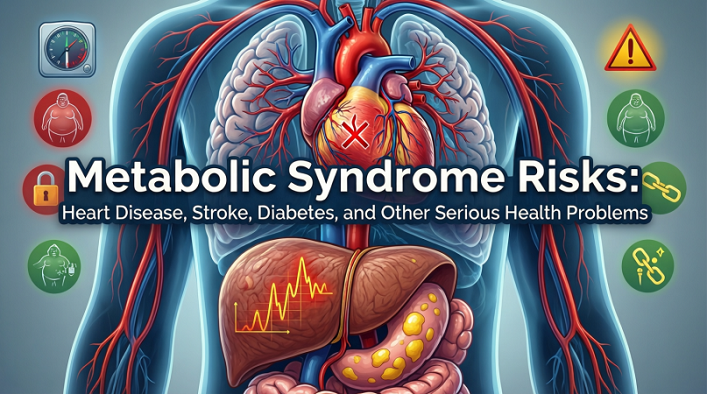
It’s not a disease itself; it consists of a group of conditions that dramatically increase your risk of serious illnesses. Heart disease, stroke, type 2 diabetes, obesity and other serious health problems can result from metabolic syndrome.
It’s like a silent threat lurking beneath the surface, often going unnoticed until it’s too late. Understanding this condition is crucial for taking control of your health and preventing potentially life-threatening complications.
You could reverse this ticking time bomb with simple lifestyle changes. Are you going to follow my advice?
You will learn how to control of your health and significantly reduce your risk of chronic diseases? The power to transform your health lies within the following lines. Are you ready to learn how? Then, continue reading till the end!
Understanding Metabolic Syndrome: The Key Components
Metabolic syndrome is defined by a group of risk factors that occur together. These factors increase the likelihood of developing serious health issues. These risk factors include:
- High Blood Pressure: Consistently puts strain on your heart and blood vessels.
- High Blood Sugar: Can lead to insulin resistance and eventually type 2 diabetes.
- Unhealthy Cholesterol Levels: High triglycerides and low HDL (“good”) contribute to plaque buildup in arteries.
- Excess Abdominal Fat: Too much weight around your waist is particularly dangerous. It is linked with increased inflammation. It also leads to insulin resistance.
Having just one of these conditions doesn’t mean you have metabolic syndrome. However, your risk increases with more factors. According to the American Heart Association, having three or more of these risk factors qualifies as metabolic syndrome. American Heart Association.
| Condition | Description | Potential Consequences |
|---|---|---|
| High Blood Pressure | Consistently elevated pressure on the walls of arteries. | Strain on heart and blood vessels. Increases risk of heart disease, stroke, and kidney disease. |
| High Blood Sugar | Elevated levels of glucose, often indicating insulin resistance. | Increased risk of type 2 diabetes, nerve damage, and other complications. |
| Unhealthy Cholesterol Levels | High triglycerides and low HDL. | Plaque buildup in arteries, increasing risk of atherosclerosis, heart disease and stroke. |
| Excess Abdominal Fat | Too much fat around the waistline. | Increased inflammation, insulin resistance, and higher risk of metabolic complications. |
Causes and Risk Factors in the Philippines
Several factors are driving obesity and metabolic syndrome among Filipinos:
🍛 Unhealthy diet.
frequent consumption of fried food. Sugary drinks, white rice, and fast food also contribute.
💻 Sedentary lifestyle.
long hours sitting at desks or in front of screens.
🧬 Genetics.
some Filipinos are more prone to abdominal fat and insulin resistance.
💤 Lack of sleep and high stress.
disrupt hormones that control appetite and metabolism.
🚬 Smoking and alcohol use.
worsen blood pressure and fat buildup.
In Metro Manila, busy urban lifestyles and “instant” eating habits are major contributors to the obesity epidemic.
Why is Abdominal Fat So Dangerous?
Abdominal fat, also known as visceral fat, is stored deep within the abdominal cavity, surrounding vital organs. Unlike subcutaneous fat (the fat you can pinch under your skin), visceral fat is metabolically active. It releases hormones and inflammatory substances. These contribute to insulin resistance, high blood pressure, and unhealthy cholesterol levels.
Symptoms and Warning Signs
Metabolic syndrome often develops silently, but early clues may include:
- Weight gain around the waist
- Constant fatigue
- Difficulty losing weight
- Frequent thirst or urination
- Elevated blood pressure or blood sugar during check-ups
These signs should prompt medical evaluation before complications develop.
The Devastating Consequences of Metabolic Syndrome and Obesity
Ignoring metabolic syndrome can have serious consequences for your long-term health. The increased risk of developing chronic diseases can significantly impact your quality of life and lifespan. Some of the most significant consequences include:
- Type 2 Diabetes: Learn about Diabetes.
Insulin resistance is a hallmark of metabolic syndrome. It can lead to elevated blood sugar levels. This may eventually result in type 2 diabetes. - Cardiovascular Disease: How to Prevent Heart Disease Before It Starts.
High blood pressure, unhealthy cholesterol levels, and inflammation contribute to the buildup of plaque in arteries. This increases the risk of heart attack and stroke. - Non-Alcoholic Fatty Liver Disease (NAFLD):
The syndrome is strongly linked to NAFLD. It is a condition where excess fat accumulates in the liver. This can potentially lead to liver damage and cirrhosis. - Increased Risk of Certain Cancers:
Studies have linked this syndrome to an increased risk of certain cancers. These include colon, breast, and endometrial cancer. National Cancer Institute - Erectile Dysfunction (ED): Learn about Erectile Dysfunction
As the provided article from helalmedical.com highlights, conditions like heart disease, diabetes, and obesity (all linked to metabolic syndrome) can contribute to ED. Impaired blood flow and nerve damage can affect erectile function. Stress and anxiety, also linked to metabolic syndrome and obesity, can further exacerbate the issue.
Diagnosis
Your doctor may order the following tests to confirm metabolic syndrome:
- Blood sugar and HbA1c
- Lipid profile (cholesterol and triglycerides)
- Blood pressure check
- Body mass index (BMI) and waist circumference
At Helal Medical Manila, we provide complete metabolic sc
Taking Control Through Lifestyle Changes
The good news is that metabolic syndrome and obesity is often reversible through lifestyle changes. By adopting healthy habits, you can significantly reduce your risk factors and improve your overall health. Here are some key strategies:
- Adopt a Heart-Healthy Diet:
- Focus on fruits, vegetables, whole grains, and lean protein.
- Limit saturated and trans fats, cholesterol, and sodium.
- Choose healthy fats, such as those found in olive oil, avocados, and nuts.
- Reduce your intake of processed foods, sugary drinks, and refined carbohydrates.
- Engage in Regular Physical Activity:
- Aim for at least 150 minutes of moderate-intensity aerobic exercise or 75 minutes of vigorous-intensity exercise per week.
- Include strength training exercises to build muscle mass and improve insulin sensitivity.
- Find activities you enjoy to make exercise a sustainable habit.
- Maintain a Healthy Weight:
- Losing even a small amount of weight (5-10% of your body weight) can significantly improve your health.
- Combine a healthy diet with regular exercise to achieve and maintain a healthy weight.
- Manage Stress:
- Practice relaxation techniques, such as meditation, yoga, or deep breathing exercises.
- Get enough sleep (7-8 hours per night).
- Connect with friends and family for social support.
- Consider seeking professional help from a therapist or counselor.
- Quit Smoking:
- Smoking is a major risk factor for heart disease, diabetes, and other health problems.
- Quitting smoking can significantly improve your health and reduce your risk of chronic diseases.
Seeking Professional Guidance
While lifestyle changes are crucial for managing metabolic syndrome and obesity. Doctors can assess your risk factors. Your health is monitored. They recommend appropriate treatment options, such as medication to manage high blood pressure, cholesterol, or blood sugar.
The Power of Prevention: Taking Action Today
Metabolic syndrome is a serious health concern, but it’s also a preventable and often reversible condition. You can take control of your health by adopting healthy lifestyle habits. Seek professional guidance to significantly reduce your risk of developing chronic diseases. Don’t wait until it’s too late; start taking action today to protect your health and well-being.
💪 Even a 5–10% weight loss can significantly improve blood sugar, cholesterol, and blood pressure levels.
Conclusion:
Metabolic syndrome and obesity are a wake-up call, urging us to prioritize our health and well-being. By understanding the risk factors, we can empower ourselves. We can also learn about the consequences and strategies for prevention and management. This knowledge enables us to reclaim our health and embrace a brighter future. Remember, even small changes can make a big difference. Start today and take the first step towards a healthier, happier you. For more information, consult the National Institutes of Health. National Institutes of Health
Read More:
- An Updated Review on Diagnosis and Treatment for Primary Care Clinicians – PMC
- Metabolic Syndrome Prevalence by Race/Ethnicity and Sex in the United States, National Health and Nutrition Examination Survey, 1988–2012
- Metabolic Syndrome: What It Is, Causes, Symptoms & Treatment
If you suspect that you may have symptoms, Helal Medical can help, offering quick, private, and convenient testing options. You may contact us here: Facebook page
Read More About Basic Metabolic Panel:
Discover more from Helal Medical Manila
Subscribe to get the latest posts sent to your email.

