
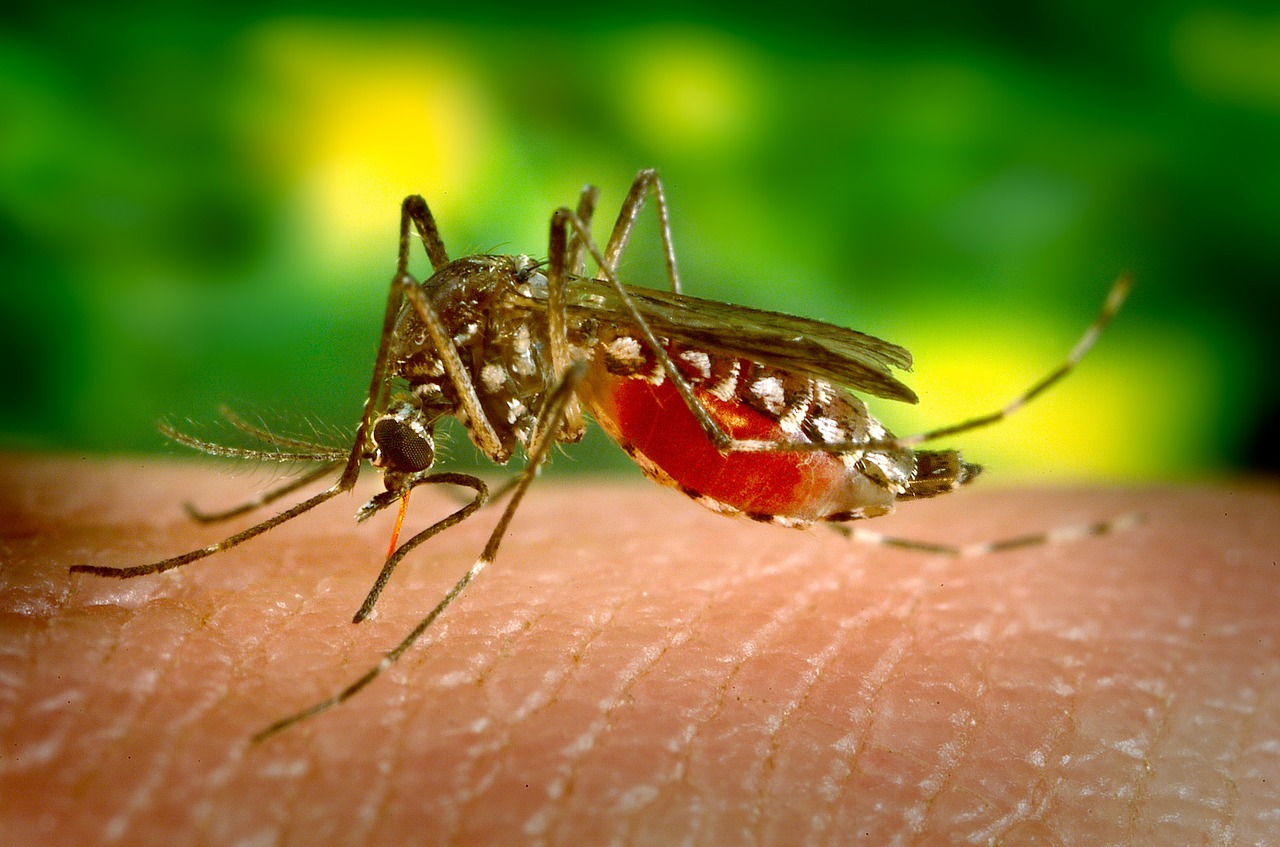
Mosquito-Borne Diseases: The Silent Global Threat and Manila’s Critical Defense
Last Updated on 02/16/2026 by Helal Medical
The buzzing sound of a mosquito is more than just an annoyance—it’s the sound of the world’s deadliest animal. Every year, tiny mosquitoes are responsible for transmitting diseases that kill and sicken millions, earning them the grim moniker from the U.S. Centers for Disease Control and Prevention (CDC). These silent assassins are the vectors for some of humanity’s most persistent plagues, collectively known as mosquito-borne diseases, which pose a formidable and growing threat to global health security.
In a world increasingly connected by travel and challenged by climate change, no nation, city, or family is truly safe. For communities in tropical and subtropical regions, like our home in the Philippines, this threat is a daily reality. Here in Manila, the fight against these relentless pathogens is a critical public health priority, one that requires constant vigilance, accurate diagnostics, and prompt, expert medical care.
The Expanding Global Health Crisis
The scale of the crisis is staggering. Mosquito-borne diseases cause over 700,000 deaths annually and infect billions worldwide. The sheer volume of cases strains healthcare systems, impedes economic development, and leaves a trail of debilitating, long-term health issues in its wake.
1. Dengue: The Breakbone Epidemic
Of the various viral and parasitic diseases transmitted by mosquitoes, Dengue fever is one of the most rapidly spreading. Endemic in over 100 countries, it accounts for up to 390 million infections each year. The virus, transmitted by the highly adaptable Aedes aegypti and Aedes albopictus mosquitoes, is often referred to as “breakbone fever” due to the excruciating joint and muscle pain it causes.
While many cases are mild, a significant percentage can progress to severe dengue (formerly known as dengue hemorrhagic fever or dengue shock syndrome), which can be fatal without intensive medical management. The recurring, cyclical nature of dengue epidemics, particularly during the rainy season, keeps countless communities in a state of perpetual risk.
2. Malaria: The Parasitic Killer
While massive global efforts have reduced its incidence, Malaria remains a catastrophic parasitic disease, primarily transmitted by the Anopheles mosquito. It is responsible for hundreds of thousands of deaths annually, disproportionately affecting children under five in sub-Saharan Africa. The constant evolution of drug-resistant parasite strains and insecticide-resistant mosquitoes presents a major challenge to the goal of global eradication.
3. Emerging and Re-emerging Threats
Beyond the two major killers, other mosquito-borne diseases like Chikungunya and Zika are constantly spreading to new geographies. Chikungunya, also carried by Aedes species, causes debilitating and long-lasting joint pain. Zika, while often asymptomatic, is notorious for its link to severe birth defects, such as microcephaly, when a pregnant mother is infected. The global risk mapping for these diseases is continually being redrawn, often expanding into new areas as climate change creates more favorable conditions for mosquito habitats at higher altitudes and latitudes.
The Local Challenge in Manila, Philippines
For us here in the Philippines, the threat of mosquito-borne diseases is ever-present. Our tropical climate, characterized by warmth, humidity, and abundant rainfall, is an ideal breeding ground for the Aedes and Culex mosquitoes that carry Dengue, Chikungunya, and Japanese Encephalitis.
Dengue fever is arguably the most significant public health threat in Manila and the surrounding metropolitan area. Densely populated urban centers, where sanitation and stagnant water management are constant struggles, provide the perfect habitat for the “cockroach of mosquitoes,” Aedes aegypti, which thrives in human-made containers.
While malaria risk is generally lower in the densely urbanized Metro Manila area, it remains a concern in certain rural and forested parts of the country. Japanese Encephalitis (JE), transmitted by Culex mosquitoes, is also endemic, posing a risk of severe neurological complications, especially to children. This local reality underscores the essential need for readily accessible, high-quality medical services that can quickly diagnose and effectively manage these complex infections.
Helal Medical: Your Frontline Defense in Manila
In the face of this persistent public health threat, effective and rapid medical intervention is non-negotiable. At Helal Medical in Manila, Philippines, we are committed to being your most trusted partner in the fight against mosquito-borne diseases. Our expertise lies not just in treatment, but in providing the diagnostic clarity and proactive health services that save lives and protect communities.
Essential Services We Provide:
- Rapid & Accurate Diagnostics: Early detection is crucial, especially for severe dengue. We offer advanced laboratory testing to quickly confirm infections like Dengue, Malaria, and other viral fevers. Rapid, precise diagnosis allows for the immediate initiation of supportive care, which is the cornerstone of preventing progression to life-threatening complications.
- Expert Medical Consultation: Our physicians are experienced in the clinical management of tropical diseases, including crucial fluid management and patient monitoring required for severe cases of Dengue.
- Proactive Prevention Advice: We provide personalized advice on vector control, protective measures, and, where available and appropriate, guidance on travel-related vaccines and prophylactic medications.
Protecting yourself and your family begins with awareness, but it is secured by decisive action. We urge every resident and visitor in Manila to be vigilant: eliminate standing water, use mosquito repellents diligently, and recognize the early warning signs of infection.
Call to Action: Prevention and Vigilance
The global battle against mosquito-borne diseases is a shared responsibility, extending from global health bodies to local communities and, most importantly, to individual households.
- Eliminate Breeding Sites: The single most effective measure is to remove or treat stagnant water where mosquitoes lay eggs. This includes old tires, unused pots, water storage containers, and clogged gutters.
- Use Protection: Employ mosquito nets, wear long sleeves and pants, and use effective mosquito repellents containing DEET, Picaridin, or oil of lemon eucalyptus.
- Seek Early Care: At the first sign of a persistent high fever accompanied by severe headache, joint pain, or rash, seek medical attention immediately. Do not self-medicate, especially with NSAIDs like Ibuprofen, which can increase the risk of bleeding in dengue cases.
Read More:
Diseases and conditions / STDs / HIV / Men’s health / Healthy lifestyle
Discover more from Helal Medical Manila
Subscribe to get the latest posts sent to your email.


