
The Hidden Risk Factors for Obesity: What You Need to Know
Last Updated on 03/17/2026 by DrHelal
Obesity is a global health crisis affecting millions worldwide. It increases the risk of heart disease, diabetes, stroke, and many other health problems. But what are the risk factors for obesity? Are they only about overeating and lack of exercise? The truth is, obesity is influenced by multiple factors, some hidden, some surprising.
Understanding these risk factors helps you take targeted action to prevent or manage obesity effectively. Whether you’re trying to lose weight or simply improve your health, knowing the risk factors can empower you.
Many risk factors for obesity are not just about diet and exercise! Stress, medical conditions, and even genetics play a significant role. Keep reading to discover the hidden causes and how to combat them. Read about World Obesity Day 2026.
The Real Causes of Obesity: Beyond Calories and Movement
While overeating and sedentary lifestyles are well-known causes of obesity, they are only part of the story. Several other factors contribute significantly to weight gain.
Genetic and Biological Factors
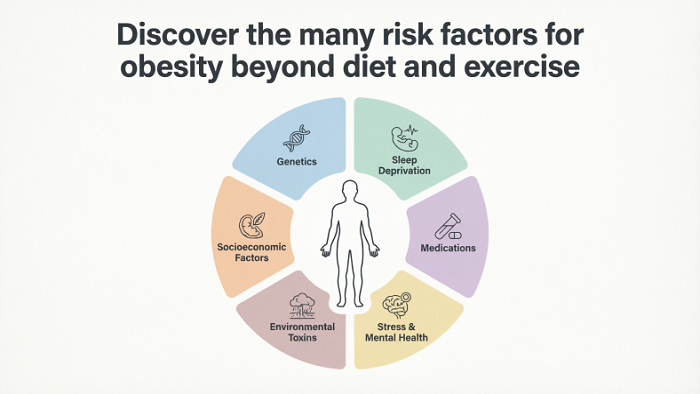
Genetics influence how your body stores fat and uses energy. Some people are genetically predisposed to gain weight more easily. Family history of obesity increases risk. Additionally, hormonal imbalances can disrupt normal weight regulation.
Medical Conditions and Medications
Certain medical conditions are risk factors for obesity:
表格
| Medical Conditions | How They Contribute to Obesity |
|---|---|
| Hypothyroidism | Slows metabolism, leading to weight gain |
| Polycystic Ovary Syndrome (PCOS) | Causes hormonal imbalances, increasing fat accumulation |
| Sleep apnea | Disrupts sleep, affecting hunger hormones and metabolism |
| Depression and anxiety | Lead to emotional eating and decreased physical activity |
| Certain medications | Steroids, antidepressants, and antipsychotics can cause weight gain |
In this article, we will explore how these medical conditions and medications influence risk factors for obesity and what you can do about them.
Lifestyle and Environmental Factors
- Poor diet choices — high sugar, processed foods, and unhealthy fats.
- Sedentary lifestyle — minimal physical activity.
- Stress and emotional factors — cortisol release promotes fat storage.
- Sleep deprivation — hormonal imbalances increase hunger.
- Environmental toxins — pesticides and pollutants disrupt metabolism.
The Hidden Impact of Stress and Mental Health
Stress is a major risk factor for obesity that often goes unnoticed. Chronic stress elevates cortisol levels, which promotes abdominal fat accumulation. It also triggers emotional eating, where comfort foods high in sugar and fat become a default response.
In this article, we highlight how stress management can dramatically reduce your risk factors for obesity. Techniques such as mindfulness, regular exercise, and adequate sleep help regulate cortisol and improve metabolic health.
Stress and Hormonal Disruption
Stress affects hormones that regulate hunger and fullness, such as leptin and ghrelin. When these hormones are out of balance, overeating occurs. This hormonal disruption can lead to persistent weight gain over time.
Managing Stress to Prevent Obesity
- Practice relaxation techniques like deep breathing, meditation, or yoga.
- Engage in regular physical activity to burn off excess cortisol.
- Prioritize sleep hygiene to support hormonal balance.
- Seek professional help for chronic stress or anxiety.
The Role of Medical Conditions in Obesity Risk
Certain health conditions significantly increase risk factors for obesity. Managing these conditions is vital for weight control.
Hypothyroidism and Its Impact
A sluggish thyroid reduces metabolic rate, making weight loss difficult. Proper diagnosis and treatment are essential for effective weight management.
PCOS and Hormonal Imbalance
Women with PCOS often experience insulin resistance and weight gain. Addressing hormonal imbalances through lifestyle and medication can help.
Sleep Disorders and Obesity
Sleep apnea and other sleep issues disrupt hormones that control hunger. Proper diagnosis and treatment can reduce obesity risk factors.
Medications and Weight Gain
Some drugs, including antidepressants and corticosteroids, contribute to weight gain. Discuss alternatives with your healthcare provider if necessary.
In this article, we emphasize that controlling medical conditions is crucial in managing risk factors for obesity.
Lifestyle Changes to Reduce Obesity Risk Factors
Prevention and management of obesity require proactive lifestyle modifications.
Healthy Eating Habits
- Increase intake of fruits, vegetables, and whole grains.
- Limit processed foods, sugary snacks, and sugary drinks.
- Incorporate lean proteins and healthy fats.
- Control portion sizes to avoid overeating.
Physical Activity
- Aim for at least 150 minutes of moderate exercise weekly.
- Include strength training to build muscle and boost metabolism.
- Find activities you enjoy to stay motivated.
- Break long periods of sitting with short activity breaks.
Stress Management
- Practice mindfulness meditation or yoga.
- Engage in hobbies and social activities.
- Get enough sleep—7 to 9 hours per night.
- Seek professional support if stress becomes overwhelming.
Regular Health Screenings
- Monitor blood pressure, cholesterol, and blood sugar levels.
- Screen for medical conditions influencing weight.
- Consult healthcare providers regularly for personalized advice.
In this article, we stress the importance of combining lifestyle changes with medical management to effectively reduce risk factors for obesity.
The Prostate Gland and Obesity: An Important Connection
While often overlooked, the prostate gland health is closely linked to obesity. Excess weight and metabolic syndrome increase the risk of prostate conditions such as benign prostatic hyperplasia (BPH) and prostate cancer.
Maintaining a healthy weight through proper diet and exercise reduces risk factors for obesity and supports prostate health. Studies show that obesity can lead to hormonal imbalances that affect the prostate gland’s function.
In this article, we highlight that managing risk factors for obesity benefits overall health, including the health of the prostate gland.
The Importance of Early Detection and Screening
Early screening for obesity-related health issues is vital.
- Regular checkups help identify risk factors for obesity early.
- Blood tests for cholesterol, blood sugar, and thyroid function.
- Prostate health screenings for men over 50 or with risk factors.
- Blood pressure monitoring to detect hypertension.
Early intervention can prevent serious health consequences.
Conclusion: Take Control of Your Health
Understanding risk factors for obesity is the first step toward a healthier life. These factors include genetics, lifestyle, stress, and medical conditions. Managing them requires a comprehensive approach: proper diet, regular exercise, stress reduction, and medical management.
In this article, we emphasize that prevention is always better than cure. Adopt healthy habits today to reduce your risk factors for obesity and improve your overall well-being—including your prostate health.
Your health is your most valuable asset. Take proactive steps now. Consult healthcare professionals regularly. Your future self will thank you.
Trusted Resources
- World Health Organization (WHO) – Obesity and Overweight
- Centers for Disease Control and Prevention (CDC) – Risk Factors for Obesity
- National Institutes of Health (NIH) – Obesity and Metabolic Syndrome
Discover more from Helal Medical Manila
Subscribe to get the latest posts sent to your email.


