
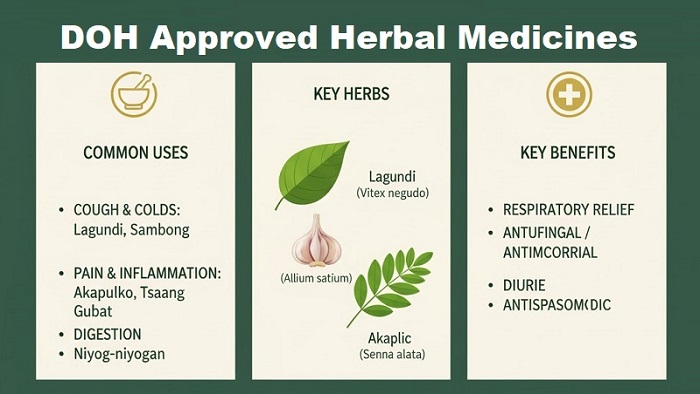
Top 10 Herbal Medicines in the Philippines: DOH Approved
Last Updated on 03/19/2026 by DrHelal
In recent years, the use of herbal medicines has gained widespread popularity worldwide, especially in the Philippines. The Philippines is known for its rich biodiversity. As a result, it is home to a variety of medicinal plants. These plants have been used traditionally for centuries.
The Department of Health (DOH), through its “Traditional Health Program,” has officially endorsed ten herbal medicines. Because these medicines have been thoroughly tested and clinically proven to have medicinal value.
What makes these herbal medicines so effective? And how can they be integrated into modern health practices?
This article is for you if you’re curious about safe natural remedies. These remedies are effective and backed by scientific research. Discover the top ten herbal medicines in the Philippines approved by the DOH, their benefits, and tips on proper handling.
In this article, we will explore each of these medicinal plants in detail. First, we will examine their various uses and how they can contribute to your health. Additionally, we’ll share practical tips on safe handling and preparation to help you maximize their benefits.
Why Herbal Medicines in the Philippines Are a Game Changer
The Philippines boasts a treasure trove of medicinal plants used traditionally for generations. Today, the Department of Health (DOH) recognizes their value through the “Traditional Health Program.” Therefore, these herbal medicines are not only culturally significant but also scientifically validated.
Herbal medicines in the Philippines are gaining recognition globally. They offer a natural, affordable, and effective alternative to synthetic drugs for various ailments. The official seal of the DOH assures safety and efficacy, making these herbs an integral part of Filipino healthcare.
The Top 10 Herbal Medicines in the Philippines Approved by the DOH
1. Akapulko (Cassia alata): The Skin’s Best Friend
Commonly known as “ringworm bush” or “bayabas-bayabasan,” Akapulko is famous for its antifungal properties. It effectively treats ringworms, fungal skin infections, and other skin ailments.
How to Use: Prepare a decoction of the leaves and apply externally or use as a wash.
2. Ampalaya (Momordica charantia): The Diabetes Warrior
Known as “bitter gourd” or “bitter melon,” Ampalaya is a staple in managing non-insulin dependent diabetes mellitus. It helps regulate blood sugar levels naturally.
How to Use: Consume as a vegetable, juice, or in capsule form after consulting a healthcare provider.
3. Bawang (Allium sativum): The Heart’s Protector
Popularly called “garlic,” Bawang reduces cholesterol and helps control blood pressure. It’s a natural cardiovascular booster.
How to Use: Incorporate raw or cooked garlic into your meals or take as a supplement.
4. Bayabas (Psidium guajava): The Oral and Skin Remedy
Known as “guava,” Bayabas is primarily used as an antiseptic. It disinfects wounds, treats gum infections, and can be used as a mouthwash.
How to Use: Use the leaves as a mouthwash or apply crushed leaves directly on wounds.
5. Lagundi (Vitex negundo): The Respiratory Relief
Referred to as the “5-leaved chaste tree,” Lagundi is effective against coughs and asthma. It eases respiratory symptoms and promotes easier breathing.
How to Use: Prepare a tea from dried leaves and drink several times a day.
6. Niyog-niyogan (Quisqualis indica): The Worm Eliminator
Known as “Chinese honey suckle,” Niyog-niyogan is used to eliminate intestinal worms like Ascaris and Trichina.
How to Use: Use dried, mature seeds—cracked and ingested after meals, following proper dosage.
7. Sambong (Blumea balsamifera): The Kidney Support
Referred to as “Blumea camphora,” Sambong is a diuretic that helps excrete urinary stones and treats edema.
How to Use: Prepare a tea from fresh or dried leaves and drink regularly.
8. Tsaang Gubat (Ehretia microphylla): The Digestive Aid
Prepared like tea, Tsaang Gubat is effective in treating intestinal motility issues. It also has high fluoride content, making it useful as a mouthwash.
How to Use: Brew the leaves into a tea and drink or use as a mouth rinse.
9. Ulasimang Bato (Peperomia pellucida): The Gout and Arthritis Remedy
Effective against arthritis and gout, Ulasimang Bato’s leaves can be eaten fresh or brewed into tea.
How to Use: Boil chopped leaves, strain, and drink after meals.
10. Yerba Buena (Clinopodium douglasii): The Pain Reliever
Commonly known as Peppermint, Yerba Buena is used as an analgesic for body aches and pains. It can be taken as a decoction or applied externally.
How to Use: Pound fresh leaves and apply directly or drink as a tea.
| No. | Herbal Medicine | Key Points |
|---|---|---|
| 1 | Akapulko (Cassia alata) | Treats ringworms, skin fungal infections, eczema |
| 2 | Ampalaya (Momordica charantia) | For diabetes, cough, burns, anti-cancer |
| 3 | Bawang (Allium sativum) | Reduces cholesterol, controls blood pressure |
| 4 | Bayabas (Psidium guajava) | Antiseptic, disinfects wounds, treats tooth decay |
| 5 | Lagundi (Vitex negundo) | Relieves cough, asthma, fever |
| 6 | Niyog-Niyogan (Quisqualis indica) | Eliminates intestinal worms |
| 7 | Sambong (Blumea balsamifera) | Diuretic, dissolves urinary stones |
| 8 | Tsaang Gubat (Ehretia microphylla) | Treats intestinal issues, mouth wash |
| 9 | Ulasimang Bato (Peperomia pellucida) | Fights arthritis, gout |
| 10 | Yerba Buena (Mentha cordifolia) | Relieves body pain, headaches, colds |
Tips for Handling and Preparing Medicinal Plants
Maximize the benefits of herbal medicines with proper handling:
It is preferable to choose organically grown herbs that are free from pesticides. When harvesting, do so on sunny mornings to ensure the best quality. To maximize medicinal content, use mature leaves, fruits, or flowers. After harvesting, dry the herbs either in the oven or air-dried on screens, while avoiding concrete floors. Once dried, store the herbs in sealed containers in a cool, dry, and dark place. For optimal potency, it is recommended to use the dried herbs within six months.
In this article, proper handling ensures safety and efficacy of herbal medicines.
Tips for Proper Intake of Herbal Medicines
- Use half the dosage when using dried parts compared to fresh, using glass, enamel, or earthenware.
- Boil in low heat without covering to preserve potency.
- Consume decoctions within a day; store in thermos for the day.
- If symptoms persist or allergic reactions occur, consult a healthcare professional.
Why Choose Herbal Medicines in the Philippines?
The Philippines’ rich biodiversity offers a treasure trove of medicinal plants. Moreover, the Department of Health’s endorsement of these herbs validates their safety and efficacy. As a result, they provide affordable, accessible, and natural options for health improvement.
Trusted sources like the DOH and WHO acknowledge the importance of integrating herbal medicines into mainstream healthcare. This is especially true in tropical countries like the Philippines.
Final Thoughts: Embrace Nature for Better Health
Herbal medicines in the Philippines have stood the test of time; moreover, they are scientifically validated and culturally trusted. Therefore, incorporating these herbal remedies into your health routine can promote wellness and help prevent illnesses.
In this article, we encourage you to explore these natural options responsibly. Always seek professional advice before starting herbal treatments. With proper handling and knowledge, herbal medicines can be a safe and effective part of your health journey.
References & Trusted Sources:
- Department of Health Philippines, Traditional Health Program.
- World Health Organization (WHO) – Traditional Medicine.
- Philippine Herbal Medicine: The Official Seal of the DOH.
Read More about Plants in the Philippines:
If you suspect that you may have symptoms, Helal Medical can help, offering quick, private, and convenient testing options. You may contact us here: Facebook page
- Plants in the Philippines Used as Food (As Is or After Processing)
- Top 10 Herbal Medicines in the Philippines: DOH Approved
- Traditional Filipino Medicine: Discover Its Healing Power
- https://helalmedical.com/a-healthy-diet-on-a-budget-top-5-tips/
This article provides general information. Always consult with a healthcare professional for personalized medical advice.
Discover more from Helal Medical Manila
Subscribe to get the latest posts sent to your email.

