
Top 5 Causes of Skin Rash: What You Need to Know
Last Updated on 03/24/2026 by DrHelal
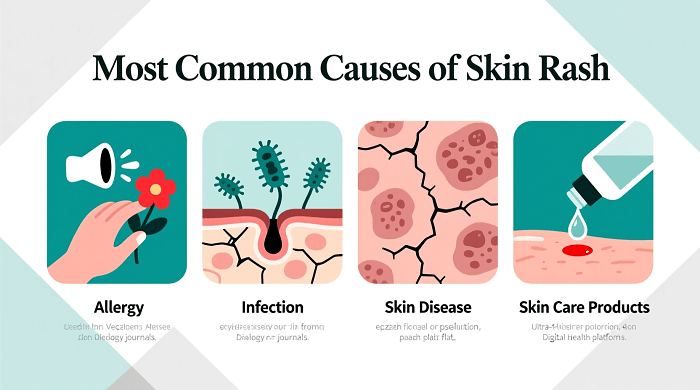
A skin rash is one of the most common skin problems people experience. It can be red spots, itchy patches, or bumps anywhere on the body. While most rashes are harmless, some can signal allergies, infections, or other underlying health conditions.
Understanding what causes a skin rash can help you find the right treatment and prevent future flare-ups. Let’s look at the top 5 common causes and how you can take care of your skin safely.
The rash on your skin may indicate a more serious issue. Alternatively, it could just be a reaction to something in your environment. Knowing the common causes can help you find relief faster and avoid future flare-ups.
In this article, we will delve into the most common causes of skin rash. We’ll explore what triggers them, what symptoms to look out for, and how you can manage them effectively. Keep reading to explore the top 5 culprits behind skin rashes and what to know to do your skin healthy.
Introduction: When Your Skin Speaks Up
Your skin is your body’s largest organ, acts as a first line of defense and a communication tool. When something is wrong, whether it’s an external irritant or an internal imbalance, your skin might react with a rash. Identifying the specific causes of skin rash is crucial for effective treatment and management.
1️⃣ Allergic Reactions (Allergic Dermatitis)
Allergic contact dermatitis is one of the leading causes of skin rash. This reaction occurs when your skin touches something it doesn’t like.
Common Triggers:
- Cosmetics or perfumes
- Nickel (in jewelry or watches)
- Laundry detergents or soaps
- Certain plants like poison ivy or poison oak
When your immune system reacts, the skin releases histamines, leading to redness, itching, and small blisters.
What You Can Do:
- Find and avoid the triggering substance.
- Use fragrance-free soaps and detergents.
- Apply a mild hydrocortisone cream or an antihistamine to relieve itching.
If the rash spreads quickly or becomes painful, consult a doctor — you need stronger topical or oral medication.
🩺 Learn more about allergic contact dermatitis from the American Academy of Dermatology: https://www.aad.org/public/diseases/eczema/contact-dermatitis
2️⃣ Eczema (Atopic Dermatitis)
Eczema is a long-term skin condition that causes dry, itchy, and inflamed patches of skin. It often starts in childhood and can flare up due to allergens, stress, or dry air.
Common Signs:
- Itchy, scaly patches on elbows, knees, or neck
- Skin that cracks or oozes when scratched
- Thickened, rough skin after repeated irritation
Triggers Include:
- Cold, dry weather
- Harsh soaps or fabrics
- Dust mites or pet dander
- Emotional stress
What Helps:
- Moisturize daily, especially after bathing.
- Use mild, fragrance-free cleansers.
- Avoid scratching — it can worsen the rash or cause infection.
- Ask your doctor about prescription creams or light therapy if it becomes severe.
💧 For more eczema care tips, visit the National Eczema Association: https://nationaleczema.org/eczema/types-of-eczema/atopic-dermatitis/
3️⃣ Fungal Infections
Fungi thrive in warm, moist areas like underarms, groin, or between toes. These infections cause red, scaly, itchy rashes that can have a ring-like border — often called ringworm or tinea.
Common Types:
- Athlete’s foot (tinea pedis) – itchy rash between toes
- Jock itch (tinea cruris) – rash in the groin area
- Ringworm (tinea corporis) – circular rash on arms, chest, or back
Treatment Tips:
- Keep skin clean and dry.
- Use anti-fungal creams or powders available over the counter.
- Avoid sharing towels or clothing.
- Wear breathable cotton clothes.
If symptoms persist for more than two weeks, you need oral anti-fungal medicine prescribed by a doctor.
🔗 Read about fungal skin infections from Mayo Clinic: https://www.mayoclinic.org/diseases-conditions/ringworm/symptoms-causes
4️⃣ Viral and Bacterial Infections
Some skin rashes develop from infections caused by viruses or bacteria. These rashes can spread easily and come with fever, fatigue, or body aches.
Common Viral Rashes:
- Chickenpox: Itchy red blisters all over the body.
- Shingles: Painful rash on one side of the body, often in older adults.
- Measles or Rubella: Red rashes that start on the face and spread.
Common Bacterial Rashes:
- Impetigo: Caused by Staphylococcus or Streptococcus bacteria; shows up as honey-colored crusts, especially around the mouth and nose.
- Cellulitis: Red, swollen, and painful area of skin, often needing antibiotics.
What You Can Do:
- Keep affected areas clean and avoid scratching.
- Wash hands regularly to prevent spreading infection.
- See a healthcare provider for proper diagnosis — some viral rashes need supportive care, while bacterial ones require antibiotics.
5️⃣ Heat Rash (Prickly Heat)
Heat rash, also called miliaria, happens when sweat ducts get blocked, trapping sweat under the skin. This is very common in humid countries like the Philippines.
Signs:
- Tiny red or pink bumps, often itchy or prickly
- Common on neck, chest, back, or armpits
- Feels worse in hot, humid weather or after exercise
How to Relieve Heat Rash:
- Move to a cool, dry place and wear loose cotton clothing.
- Take cool showers and gently pat dry.
- Use calamine lotion or aloe vera gel to soothe the skin.
- Stay hydrated and avoid heavy lotions that block pores.
Usually, heat rash goes away on its own in a few days. If it persists or becomes infected, see your doctor.
🌸 When to See a Doctor
See a doctor right away if, with a rash, you experience:
- Rapid spreading or blistering
- High fever or severe pain
- Pus or signs of infection
- Rash after taking a new medicine
- Rash that lasts more than two weeks
A dermatologist can help find the exact cause and give the right treatment.
🌼 How to Keep Your Skin Healthy
- keep good hygiene but avoid over-washing.
- Use mild, fragrance-free products.
- Stay hydrated and eat a balanced diet.
- Manage stress — it can worsen rashes like eczema and psoriasis.
- Protect your skin from excessive heat and sunlight.
💬 Final Thoughts
A skin rash is your body’s way of telling you something isn’t right. Most rashes are mild. They can be treated at home. However, persistent or painful rashes should always be checked by a healthcare provider.
Healthy skin starts with awareness. Knowing what triggers your rash is important. Treating it properly helps prevent future flare-ups.
If you experience repeated or unexplained rashes, consult your doctor. You can also visit a dermatologist for proper diagnosis and a personalized care plan.
Sources:
- Home – Philippine Dermatological Society | Official Website.
- Department of Health (DOH) Philippines.
- National Institutes of Health (NIH) – MedlinePlus.
Discover more from Helal Medical Manila
Subscribe to get the latest posts sent to your email.


