
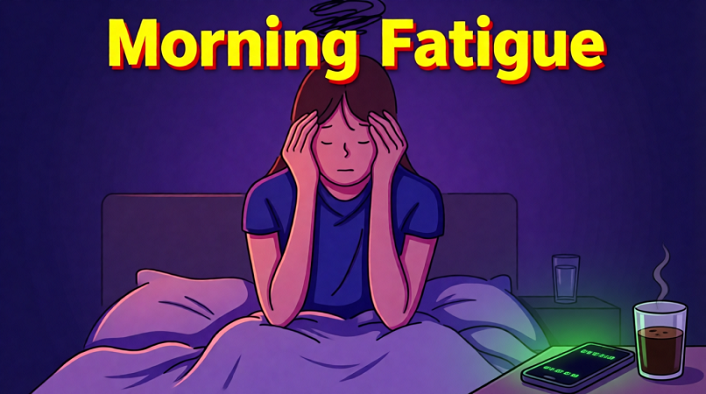
Why Do Many People Feel Tired Even After Adequate Sleep?
Last Updated on 02/05/2026 by Helal Medical
Author: Dr. Farid Helal, MD | Last updated: January 2026
In my clinical practice (50 years long), one of the most common complaints I hear is: “Doctor, I sleep enough hours, but I still wake up tired despite adequate sleep.” Many patients represent with the same issue! Continue reading to know why you wake up tired with bad mood, after sleeping 7-9 hours.
Feeling persistently fatigued despite adequate sleep is frustrating and often misunderstood. While many people assume the problem is simply “poor sleep,” the reality is usually more complex. In this article I will explain the most common medical and lifestyle reasons behind persistent tiredness, using an evidence-based approach.
Sleep Quantity vs. Sleep Quality
Both quality and quantity are required for sleep to do its roles. Sleeping for 7–9 hours is important (this is quantity), but sleep quality matters just as much as duration, or can be more important.
You can experience poor sleep quality due to:
- Frequent nighttime awakenings for any reason.
- Shallow or fragmented sleep, (I will explain causes later)
- Disrupted sleep cycles
In my practice, many patients misunderstood what sleep quality is! They are often surprised to learn that time spent in bed does not always equal restorative sleep. they don’t stop habits that negatively affect quality.
Common Medical Causes of Morning Fatigue
1. Sleep Disorders
Conditions that can reduce sleep efficiency. Obstructive sleep apnea, in particular, is underdiagnosed and commonly associated with loud snoring and daytime sleepiness. Some common disorders:
- Insomnia is one of the most common sleep disorders globally and is also prevalent in the Philippines.
- Sleep apnea / Obstructive Sleep Apnea (OSA). Studies suggest that risk factors, (obesity, hypertension, and aging), are all common in the Filipinos, and contribute to OSA prevalence.
- Restless Legs Syndrome (RLS) and Narcolepsy. These are less commonly reported.
2. Stress and Mental Load
Chronic stress activates the body’s stress response, even during sleep. Stress hormones are released! Many patients describe the nights: “waking up already feeling mentally exhausted”. This is more encountered especially during periods of prolonged emotional or work-related stress.
3. Nutritional Factors
Deficiencies in iron, vitamin B12, or vitamin D may contribute to fatigue and tiredness. Supplements are helpful, but they should only be used after proper evaluation by a doctor. You can visit our Facebook page for assistance!
4. Blood Sugar Fluctuations
In individuals with insulin resistance or diabetes, unstable blood glucose levels may affect energy levels, particularly in the morning. whether it is hypo (low) or hyper(increased) glycemia can impact sleep. This is something I routinely assess when fatigue is persistent and unexplained.
5. Physical Inactivity
Ironically, low levels of physical activity can worsen fatigue. Regular moderate exercise has been shown to improve sleep quality and daytime alertness over time.
Lifestyle Factors That Affect Energy
Several everyday habits may reduce morning energy without being obvious:
- Excessive caffeine late in the day (afternoons). Its effect can stay up to 8-9 hours.
- Heavy meals close to bedtime. It can trigger glucose levels.
- Irregular sleep schedules
- Prolonged screen exposure at night, using the cellphone or watching the TV.
Small, consistent adjustments, that you can do easily, often make a measurable difference.
A Clinical Perspective
Patients sometimes expect a single diagnosis or treatment to improve their fatigue. In reality, tiredness is often multifactorial. A careful medical history, basic laboratory tests, and attention to your lifestyle usually provide more insight than quick fixes. Claims that a single supplement or product can “restore energy instantly”, are not true and should be viewed with caution.
When to Seek Medical Advice
Persistent fatigue lasting more than a few weeks, especially when accompanied by symptoms such as weight changes, shortness of breath, or mood changes, should be evaluated by a doctor.
Conclusion
Feeling tired despite adequate sleep is common and often reversible once underlying causes are properly addressed. Improving sleep quality, managing stress, and ruling out medical causes are key steps toward restoring normal energy levels. Individualized medical guidance remains the most reliable way to approach persistent fatigue. We are here to assist!
References
- World Health Organization (WHO)
- National Institutes of Health (NIH)
- Centers for Disease Control and Prevention (CDC)
Read More from Helal Medical:
https://helalmedical.com/sleep-health-why-quality-sleep-is-essential-for-your-body-and-mind
Discover more from Helal Medical Manila
Subscribe to get the latest posts sent to your email.


