
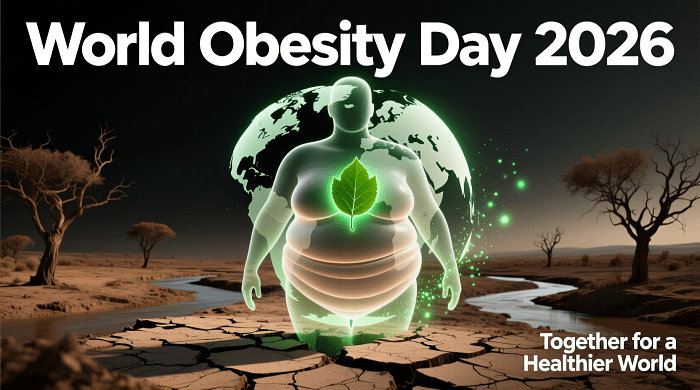
World Obesity Day 2026: What It Means and Why It Matters to Filipinos
Last Updated on 03/14/2026 by DrHelal
Every year, millions of Filipinos face health challenges linked to obesity. As the world prepares to observe World Obesity Day 2026, the focus intensifies on raising awareness and inspiring action. But why does this day matter specifically to Filipinos? And what can we do to combat obesity effectively?
Imagine a future where Filipinos live healthier, longer lives, free from obesity-related diseases. Achieving this vision requires understanding what World Obesity Day 2026 truly signifies. It’s more than just a date on the calendar; it’s a call to action for individuals, communities, and policymakers alike.
In this article, we’ll explore World Obesity Day, 4 March 2026 and its significance. We will discuss its implications for Filipinos. We will also outline practical steps to turn awareness into meaningful change. From diet and exercise to policy reforms, discover how this global day can spark local transformation.
What Is World Obesity Day?
World Obesity Day is organized by the World Obesity Federation in partnership with international health organizations. The annual observance began in 2015. Since then, it has become a global platform to highlight obesity as a serious public health issue. (Wikipedia)
Held on March 4 each year, the event has several goals. It aims to increase public awareness about obesity. It also challenges stigma and misconceptions. Additionally, it explores root causes, not just personal habits. Furthermore, it advocates for supportive policies and environments that help people live healthier lives. (World Obesity Day)
Why Obesity Is a Global (and Local) Crisis
Global Scale
- Globally, over-weight has surged over the past decades. As of 2022, about 1 in every 8 people worldwide lives with obesity. (World Health Organization)
- More than 2.5 billion adults are over-weight globally — almost half of all adults. (World Health Organization)
- Obesity is no longer only a problem for wealthy countries. It affects people across the world. Many in lower- and middle-income nations are also impacted. (World Health Organization)
Health Risks of Obesity
Living with obesity increases the risk of many chronic diseases including type 2 diabetes, heart disease, and high blood pressure. Stroke, certain cancers, liver and kidney problems, joint and back pain, and poor mental health are also risks. (World Obesity Day)
Because of this, obesity contributes significantly to the global burden of non-communicable diseases (NCDs). (World Obesity Day)
For children and adolescents, rising obesity rates are especially concerning. Early-onset obesity often leads to health problems later in life. (World Health Organization)
Why World Obesity Day 2026 Is Important for Filipinos
- The Philippines, like many countries, is facing shifts in lifestyle. People have more sedentary habits and easy access to processed and fast foods. And also, less physical activity and more urban living. These factors increase the risk of obesity over time.
- World Obesity Day 2026 encourages Filipinos to look beyond “blame and shame.” Obesity is a complex issue. It involves diet, environment, and social conditions. Access to healthy food and safe spaces is also important. Education and health systems play a significant role too.
- It’s a reminder that prevention and care matter. Shifting towards healthier eating can help reduce the burden. Engaging in regular activity, maintaining a balanced lifestyle, and fostering supportive communities also contribute positively. (World Health Organization)
What Contributes to Obesity
According to global experts and health studies, obesity arises from multiple interacting factors — not just personal willpower. Some of the main contributors:
Diet and Food habits
- High consumption of processed foods, sugary drinks, high-calorie fast foods.
- Limited access to affordable, nutritious foods (fruits, vegetables, whole grains).
- Large portion sizes and frequent snacking.
Sedentary Lifestyle & Reduced Physical Activity
Modern urban life — desk work, less walking, commuting — contributes to fewer calories burned.
Social and Environmental Factors
- Urban design with limited safe areas for walking, cycling, or recreation.
- Aggressive marketing of unhealthy food (especially to children).
- Economic and social pressures that influence food choices and lifestyle habits. (World Health Organization)
Biological & Genetic Factors
Some people are more predisposed to store fat due to genetic or metabolic factors. Obesity is influenced by biology as well as environment. (World Health Organization)
Lack of Access to Healthcare & Support
In many places, people lack access to preventive care, nutrition education, or safe physical activity spaces. They also lack support systems, which are factors that make it harder to maintain a healthy weight.
Stigma & Mental Health
Weight stigma and discrimination — even from health systems — discourage many from seeking help. This can worsen mental health and prevent people from getting support. One aim of World Obesity Day is to reduce such stigma. (World Obesity Day)
What You Can Do — Practical Tips for Healthy Living in the Philippines
World Obesity Day isn’t only about talking — it’s about action. Here are simple, practical steps Filipinos can take to support healthier lives:
- 🍎 Eat balanced meals — include more vegetables, fruits, legumes, and whole grains. Reduce intake of sugary drinks, processed snacks, and fried foods.
- 🕒 Watch portion sizes — rather than huge meals, aim for moderate portions; avoid frequent overeating.
- 🏃♂️ Stay active daily — walk more. Use stairs. Take short exercise breaks. Dance, or engage in physical activity you enjoy.
- 🚶♀️ Encourage active lifestyle in family and community — organize walking groups, play traditional games, involve children in outdoor activities.
- 💤 Get good rest and manage stress. Stress and poor sleep can lead to weight gain. They can also cause unhealthy eating habits.
- 🤝 Seek community support and healthcare support when needed. Talk to doctors and nutritionists. Also, consult local health centers or community groups about healthy living.
- 🗣️ Be kind and supportive — fight obesity stigma — encourage empathy, not blame; understand obesity is complex.
How to Observe or Get Involved in World Obesity Day 2026 — Even in the Philippines
You don’t need to be a health expert to join. Here are ways you and your community can mark the day meaningfully:
- Organize or join a community walk or fun run with family, friends, neighbors.
- Share on social media about healthy habits. Post about meals with vegetables, an active lifestyle, or stories of positive change. Use hashtags like #WorldObesityDay.
- Hold a small community talk or family discussion about healthy eating, balanced lifestyle, and mental health.
- Support or volunteer with local health or community groups advocating nutrition, physical activity, or healthy environments.
- Encourage local schools to include healthy meal planning and physical activity in their programs.
Summary
World Obesity Day 2026 matters because it reminds us that obesity is not just a personal “weight issue.” It’s a global public health challenge shaped by our diet, environment, lifestyle, social conditions, and access to care. With rising obesity worldwide — affecting billions — the call to act is urgent.
Here in the Philippines, World Obesity Day 2026 calls on each of us to rethink habits. Families, communities, and policymakers need to support healthy environments and treat obesity with understanding. We must approach it with compassion and collective action. Simple changes like healthier meals, more movement, better support, and less stigma can help turn the tide.
Together, we can build healthier lives — for ourselves, our children, and our communities — beyond one day.
Discover more from Helal Medical Manila
Subscribe to get the latest posts sent to your email.

