
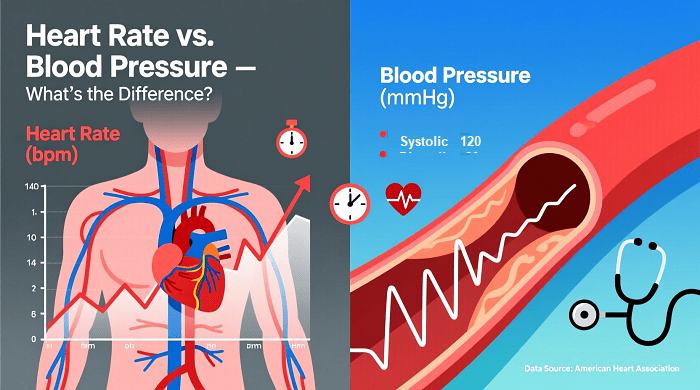
Heart Rate vs. Blood Pressure — What’s the Difference and Why Both Matter
Last Updated on 03/17/2026 by DrHelal
💖 Introduction
Many patients at Helal Medical Manila don’t understand the difference between heart rate and blood pressure. They often think they’re the same. Both are vital signs of heart health. They measure different things. They give different clues about how your heart and body are functioning.
This article explains the difference between the two, why each matter, and how to check them correctly at home.
⚙️ What Is Heart Rate?
Your heart rate, or pulse, is the number of times your heart beats per minute (bpm).
It shows how hard your heart is working to pump blood.
- Normal resting heart rate: 60–100 beats per minute
- Athletes: can have lower rates (as low as 50 bpm) due to stronger heart muscles
Heart rate changes with exercise, emotions, stress, fever, or medications.
You can easily measure it by placing two fingers on your wrist or neck and counting beats for 60 seconds.
🩸 What Is Blood Pressure?
Blood pressure measures the force of blood pushing against your artery walls as your heart pumps.
It’s recorded as two numbers:
- Systolic (top number) – pressure when the heart contracts
- Diastolic (bottom number) – pressure when the heart relaxes
A normal reading is around 120/80 mmHg.
Consistently high readings mean hypertension, a leading cause of heart attack, stroke, and kidney problems.
🔍 Key Differences Between Heart Rate and Blood Pressure
| Feature | Heart Rate | Blood Pressure |
|---|---|---|
| Definition | Beats per minute (pulse) | Force of blood in arteries |
| Normal Range | 60–100 bpm | 120/80 mmHg |
| Measured by | Pulse or heart tracker | BP cuff or machine |
| Affected by | Exercise, stress, temperature | Salt, fluid balance, arteries’ elasticity |
| Indicates | How fast the heart is beating | How hard the heart is pumping |
They are related but not directly proportional. A fast heart rate doesn’t always mean high blood pressure. The reverse is also true.
🩺 How They Work Together
Think of it this way:
- Heart rate tells you how fast your heart is beating.
- Blood pressure tells you how hard the blood is pushing.
When you exercise, your heart rate increases to pump more oxygen. Your blood pressure rise slightly but should return to normal soon after. Persistent elevation in either — or both — signal an underlying condition that needs medical attention.
⚠️ When to Worry
You should consult a doctor if:
- Your resting heart rate is consistently above 100 bpm or below 50 bpm (without exercise or medication).
- Your blood pressure remains above 140/90 mmHg on repeated checks.
- You feel dizzy, faint, or experience chest discomfort.
These indicate arrhythmias, hypertension, or other cardiovascular problems.
🧘 Tips for a Healthy Heart Rate and Blood Pressure
- Exercise regularly – at least 30 minutes daily.
- Eat a balanced diet – low in salt and saturated fats.
- Stay hydrated – dehydration can raise heart rate.
- Limit caffeine, alcohol, and smoking.
- Manage stress – practice relaxation or meditation.
- Get regular check-ups – Helal Medical offers heart monitoring and lifestyle counseling.
Monitoring both your pulse and BP gives a fuller picture of your heart’s condition.
🩵 Summary
Heart rate and blood pressure are two distinct but interconnected indicators of cardiovascular health.
Heart rate measures speed. Blood pressure measures force. Both must be in balance for your heart to work efficiently.
At Helal Medical Manila, we help patients track these vital signs and understand what their numbers mean.
Whether you’re managing hypertension or checking your fitness level, regular check can prevent complications and promote a stronger heart.
🔗 Helpful External Links:
- American Heart Association – Heart Rate vs. Blood Pressure
- Cleveland Clinic – Understanding Vital Signs
- MedlinePlus – How to Measure Your Pulse and BP
Discover more from Helal Medical Manila
Subscribe to get the latest posts sent to your email.


