
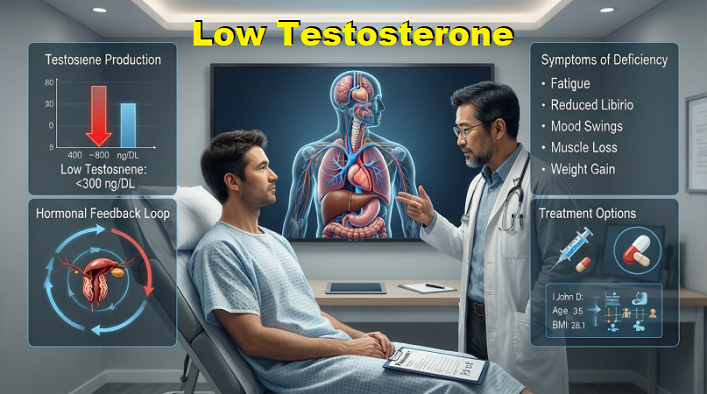
Low Testosterone: Symptoms, Causes, and Treatment Options
Last Updated on 02/09/2026 by Helal Medical
Testosterone is a vital hormone that plays a major role in male health, that significantly affected if level is low! It is a common to have dropped levels, but often overlooked condition, especially in men over 40.
In this article, you will learn what low testosterone means. You will discover symptoms and causes. You will also learn how to diagnose it and explore treatment options based on medical evidence.
What Is Testosterone and Why Is It Important?
Testosterone, the main male sex hormone, is super important for staying healthy! The testes are mostly responsible for making it. Keeping your testosterone level in check, (not low), is key for guys! When testosterone levels fall below normal, multiple body systems may be affected. It is essential for:
- Male sexual development
- Sperm production
- Muscle and bone strength
- Fat distribution
- Red blood cell production
- Mental focus and mood stability
What Is Low Testosterone?
Low Testosterone, also called hypogonadism, occurs when the body does not produce enough testosterone to meet physiological needs.
It can be:
- Primary (problem in the testes)
- Secondary (problem in the brain’s hormonal control centers)
- Age-related (gradual decline with aging)

Common Symptoms of Low Testosterone
Physical Symptoms
- Low energy and chronic fatigue
- Reduced muscle mass
- Increased body fat
- Decreased bone density
- Hot flashes or sweating
Sexual Symptoms
- Reduced libido
- Erectile dysfunction
- Decreased morning erections
- Infertility in some cases
Mental and Emotional Symptoms
- Depression or low mood
- Poor concentration
- Irritability
- Reduced motivation
These symptoms often develop gradually, making them easy to overlook.
Common Causes of Low Testosterone
Medical Causes
- Aging
- Diabetes mellitus
- Obesity
- Chronic illnesses
- Testicular injury or infection
- Pituitary gland disorders
Lifestyle Factors
- Poor sleep
- Chronic stress
- Excessive alcohol consumption
- Lack of physical activity
Identifying the cause of Low Testosterone is essential before starting treatment.
Low Testosterone Level and Chronic Diseases
Low testosterone is frequently associated with:
- Metabolic syndrome
- Type 2 diabetes
- Cardiovascular disease
- Osteoporosis
In many cases, low testosterone is both a result and a contributor to poor overall health.
Diagnosis: How Is Low Testosterone Level Detected?
Clinical Evaluation
Doctors assess:
- Symptoms
- Medical history
- Medication use
- Lifestyle habits
Laboratory Testing
Diagnosis requires blood tests measuring:
- Total testosterone
- Free testosterone (when needed)
- Hormonal regulators such as LH and FSH
Tests are usually done in the early morning, when testosterone levels are highest.
Treatment Options
Lifestyle Modification
For mild cases, improving general health may increase testosterone naturally:
- Weight loss
- Regular resistance exercise
- Better sleep habits
- Stress management
Testosterone Replacement Therapy (TRT)
TRT may be considered when:
- Symptoms are significant
- Blood levels are consistently low
- Other causes have been excluded
Forms of TRT include:
- Injections
- Gels or creams
- Patches
- Implants
Treatment must always be supervised by a doctor.
Important Safety Considerations
Testosterone therapy is not suitable for everyone. Regular monitoring is required to assess:
- Prostate health
- Blood count
- Cholesterol levels
- Cardiovascular risk
Self-treatment or online hormone use can be dangerous.
When Should You See a Doctor?
Consult a doctor if you experience:
- Persistent fatigue
- Reduced sexual desire
- Erectile problems
- Mood changes
- Loss of muscle strength
Early evaluation allows safer treatment and prevents complications.
Summary
Low testosterone level can affect many body systems, causing tiredness, low sex drive, and mood changes. It is common, especially with age, and can be treated safely after proper medical tests. Seeing a doctor helps you feel better and stay healthy.
Sources
- Mayo Clinic – Low Testosterone
https://www.mayoclinic.org/diseases-conditions/male-hypogonadism - Endocrine Society – Testosterone Therapy
https://www.endocrine.org/patient-engagement/endocrine-library/hypogonadism - National Institutes of Health (NIH)
https://www.ncbi.nlm.nih.gov/books/NBK279031/
More from Helal Medical:
Risk of Prostate Problems: How to Reduce
Preventing Prostate Diseases: Tips and Advice
Early Signs of Prostate Cancer: A Comprehensive Guide
Discover more from Helal Medical Manila
Subscribe to get the latest posts sent to your email.

