Skin Tags: Causes, Symptoms, and Effective Treatment Options You Should Know
Last Updated on 03/17/2026 by DrHelal
Are skin tags bothering you? Do they appear suddenly or grow slowly over time? They are common, but many people don’t understand what causes them or how to treat them properly. If you wonder about the real causes behind skin tags, and how to remove them, this guide is for you.
In this article, we’ll explore the causes, symptoms, and treatment options for skin tags. We’ll also debunk common myths and provide practical advice to help you manage these tags. Keep reading to discover how you can prevent or get rid of them.
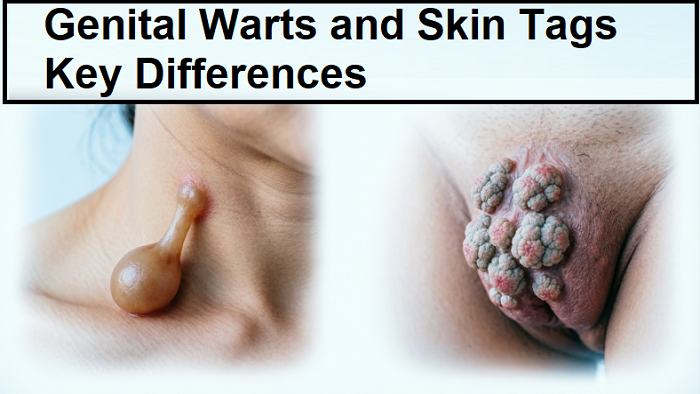
You may want to Know The differences between tags and warts! Read our cornerstone article Genital Warts and Skin Tags.
What Are Skin Tags?
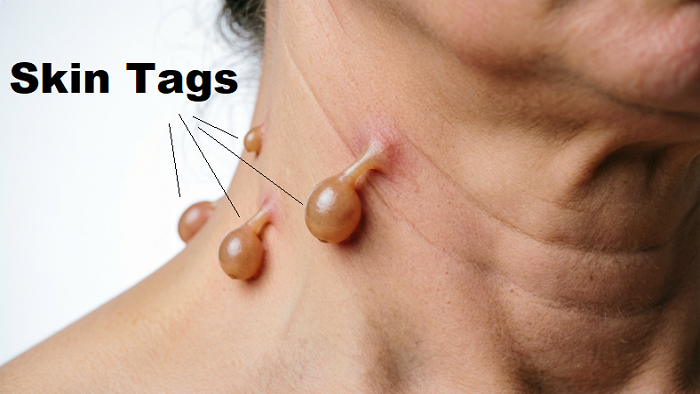
They are small, soft growths that hang from the skin by a thin stalk. They are usually flesh-colored or slightly darker and can appear anywhere on the body. Common locations include the neck, armpits, eyelids, groin, and under the breasts.
Are Skin Tags Harmful?
No! Most of them are harmless and do not cause pain or health problems. However, they can be cosmetically unappealing or irritating if they rub against clothing or jewelry. In rare cases, skin tags may become inflamed or infected.
What Are Causes of Skin Tags?
Friction, obesity, genetics, and hormonal changes are the main causes. These factors cause skin cells to multiply and create small, soft growths. Rubbing or friction against clothing or skin folds also promotes their development.
1. Friction and Skin Irritation
One of the most common causes is chronic friction. Skin rubbing against clothing, jewelry, or skin folds can cause irritation. This explains why skin tags often appear in particular areas. These areas are where skin folds or rubs together, such as the neck, armpits, or groin.
2. Obesity and Excess Weight
Obesity is a significant risk factor. Extra weight increases skin friction and creates more folds, which can lead to skin tags. Overweight individuals often develop these tags around the neck, underarms, and abdomen.
3. Hormonal Changes
Hormonal fluctuations, especially during pregnancy or menopause, can contribute to skin tag development. Elevated hormone levels may stimulate skin cell growth, leading to skin tags in sensitive areas.
4. Insulin Resistance and Diabetes
Recent studies indicate a link between skin tags and insulin resistance. People with type 2 diabetes or prediabetes are more prone to developing these tags, especially around the neck and underarms.
5. Genetics
Genetics also play a role. If your family members have skin tags, you might be more likely to develop them yourself. This hereditary factor influences skin cell growth and skin’s response to friction.
6. Age
They are more common with advancing age. As skin becomes less elastic and more prone to friction, the likelihood of developing skin tags increases.
7. Human Papillomavirus (HPV)
Some research suggests that certain strains of HPV may be associated with skin tags, although this is still under study. The virus may trigger abnormal skin cell growth.
Recognizing Skin Tag Symptoms
In this section, we’ll discuss the typical symptoms and how to identify them.
Appearance and Texture
- Small, soft, flesh-colored or darker growths
- Usually less than 5mm in size, but can grow larger
- Hang from a thin stalk or peduncle
- Smooth or slightly wrinkled surface
Common Locations
- Neck
- Armpits
- Groin area
- Eyelids
- Under breasts
- Waistline
When to Consult a Doctor
Most skin tags are benign, but you should see a healthcare provider if:
- They change in color or size
- They become painful or inflamed
- They bleed or show signs of infection
- You suspect they are not skin tags but other skin conditions
Effective Treatment Options
In this article, we will explore safe and effective treatments. Whether you prefer home remedies or professional removal, options are available for every need.
1. Medical Removal
The most reliable method involves a healthcare professional removing them through:
- Cryotherapy: Freezing the skin tag with liquid nitrogen
- Electrocautery: Burning off the skin tag using electric current
- Ligation: Cutting off blood supply by tying the stalk with a suture
- Surgical excision: Cutting out the skin tag with a scalpel or scissors
These procedures are quick, safe, and performed in clinics or dermatology offices.
2. Over-the-Counter Products
Several OTC options are available, including:
- Skin tag removal creams
- Adhesive skin tag removal patches
- Salicylic acid-based treatments
However, their effectiveness varies, and they should be used with caution.
3. Home Remedies (Use Caution)
Some people opt for home remedies, but these are less scientifically proven and can carry risks. Common home treatments include:
- Tea tree oil
- Apple cider vinegar
- Coconut oil
Note: Always consult your doctor before trying home remedies to avoid infection or scarring.
Preventing Skin Tags: Tips and Lifestyle Changes
In this section, we’ll discuss practical preventive measures to reduce the likelihood of developing skin tags.
Maintain a Healthy Weight
Reducing excess weight minimizes skin friction and the formation of skin tags. Regular exercise and a balanced diet are key.
Minimize Friction and Skin Irritation
Wear loose-fitting clothing and avoid jewelry that causes skin rubbing. Keep skin folds dry and clean.
Manage Underlying Conditions
Controlling diabetes and insulin resistance can lower risk factors for skin tags. Regular health checkups are essential.
Practice Good Skin Hygiene
Keep skin clean and dry, especially in areas prone to friction. Use gentle cleansers and avoid harsh soaps.
Summary: Take Control of Your Skin Health
Skin tags are common benign skin growths caused by a combination of factors such as friction, obesity, hormonal changes, and genetics. Recognizing symptoms early allows for safe removal and peace of mind.
In this article, we highlighted the main causes, symptoms, and treatment options for skin tags. Prevention involves maintaining a healthy weight, practicing good hygiene, and managing underlying health conditions. If these tags are bothersome or changing, consult a healthcare provider for proper diagnosis and removal options.
Stay informed, stay proactive, and take care of your skin health today!
Table: Causes and Prevention
| Cause | How to Prevent or Manage |
|---|---|
| Friction and Skin Irritation | Wear loose clothing, keep skin dry, avoid jewelry rubbing skin |
| Obesity | Maintain healthy weight through diet and exercise |
| Hormonal Changes | Regular checkups, manage hormonal imbalances |
| Genetics | Genetic predisposition cannot be changed, monitor skin regularly |
| Medical Conditions | Control underlying conditions like diabetes |
| Age | Regular skin checks, early removal if necessary |
Trusted Sources for More Information
- American Academy of Dermatology Association
- Mayo Clinic – Skin Tag Removal
- WebMD –
Discover more from Helal Medical Manila
Subscribe to get the latest posts sent to your email.