
The Ultimate Guide to a Healthy Liver: For Optimal Liver Health
Last Updated on 03/09/2026 by DrHelal
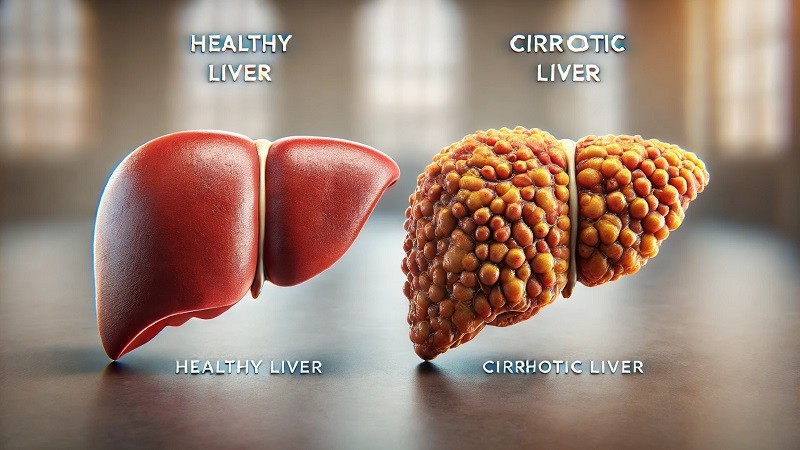
A healthy liver can perform over 500 vital bodily functions. It detoxifies harmful substances, regulates metabolism and produces bile for digestion. It also stores essential nutrients.
In this article, we’ll explore the steps you can take for a healthy liver. We will focus on nutrition and lifestyle choices. We will also cover practices that promote optimal liver health.
How to support your liver Health?
With a few lifestyle changes and healthy habits, you can support your liver’s functions and prevent long-term damage:
1. Balanced Diet for a Healthy Liver
What you eat has a significant impact on liver functions. A nutrient-dense, balanced diet can help keep your liver in good condition. This will provide the necessary vitamins and minerals to do its essential tasks.
Eat Plenty of Fruits and Vegetables
Fruits and vegetables are rich in antioxidants, vitamins, and fiber, which help protect the liver from oxidative stress and inflammation. Cruciferous vegetables like broccoli, cauliflower, and Brussels sprouts are particularly beneficial because they contain compounds that promote detoxification.
- Leafy greens: Spinach, kale, and arugula are packed with chlorophyll, which helps cleanse the liver of toxins.
- Citrus fruits: Oranges, lemons, and grapefruits contain high levels of vitamin C, which boosts liver detoxification enzymes.
- Berries: Blueberries, strawberries, and raspberries are rich in antioxidants that protect liver cells from damage.
Include Healthy Fats (UnSaturated Fats)
Healthy fat foods, including avocados, nuts, seeds, and olive oil, contain essential fatty acids that support liver cell membranes. Omega-3 fatty acids, in particular, reduce liver inflammation and improve overall liver functions.
Limit Saturated and Trans Fats
Eating too many unhealthy fats can contribute to fatty liver disease. These fats are found in fried foods, processed snacks, and fast food. Fatty liver occurs when excess fat builds up in the liver cells, leading to inflammation and potential liver damage. To protect your liver, limit your intake of saturated fats. These are found in red meat, butter, and cheese. Additionally, avoid trans fats, which are found in many processed foods.
Stay Hydrated
Proper hydration is essential for liver functions. Water helps flush toxins out of the body and supports the liver’s detoxification processes. Aim to drink at least 8 glasses of water a day. Avoid sugary beverages. Excessive caffeine can strain the liver.
2. Limit Alcohol Intake
Alcohol is one of the liver’s biggest enemies. When you consume alcohol, your liver metabolizes it, breaks the alcohol down into substances. These substances can then be eliminated from the body. However, excessive alcohol consumption can overwhelm the liver, leading to fatty liver disease, alcoholic hepatitis, and cirrhosis.
To protect your liver:
- Limit alcohol consumption: Stick to moderate drinking guidelines. These guidelines recommend no more than one drink per day for women. Men should limit themselves to two drinks per day.
- Take alcohol-free days: Giving your liver regular breaks from alcohol allows it to recover and maintain its functions.
- Avoid binge drinking: Consuming large amounts of alcohol in a short period puts immense strain on the liver. It can lead to liver damage.
If you have a history of liver disease or other liver conditions, it’s best to avoid alcohol altogether.
3. Healthy Weight
Being overweight or obese increases your risk of developing non-alcoholic fatty liver disease (NAFLD). This is a condition where excess fat accumulates in the liver. NAFLD can lead to liver inflammation and, in severe cases, liver damage.
To maintain a healthy weight and protect your liver:
- Follow a balanced diet: Focus on whole foods, including lean proteins, healthy fats, and complex carbohydrates. Avoid processed foods, sugary snacks, and refined carbs.
- Exercise regularly: Physical activity helps reduce fat buildup in the liver and improves overall liver functions. Aim for at least 150 minutes of moderate-intensity exercise per week, like brisk walking, cycling, or swimming.
- Lose weight gradually: Rapid weight loss can stress the liver. Aim for a steady weight loss of 1-2 pounds per week. If needed, combine a healthy diet with regular exercise.
4. Avoid Toxins and Chemicals
Your liver is responsible for filtering and detoxifying chemicals that enter your body. Exposure to environmental toxins, chemicals, and certain medications can put stress on the liver and impair its functions.
To reduce toxin exposure:
- Avoid unnecessary medications: Overuse of medications, especially pain relievers like acetaminophen, can harm the liver. Always follow the recommended dosage and avoid combining medications with alcohol.
- Limit exposure to harmful chemicals: Many household cleaners, insecticides, and aerosols contain chemicals. These can be absorbed through the skin or inhaled. This absorption puts extra strain on the liver. Use natural cleaning products when possible and ensure good ventilation when using chemical-based products.
- Be cautious with supplements: Some dietary supplements are marketed for weight loss or bodybuilding. These may contain ingredients that can be harmful to the liver. Always consult with a healthcare professional before taking new supplements.
5. Exercise Regularly
Regular physical activity offers many benefits for liver health. Exercise helps the liver metabolize fat, reduces inflammation, and improves insulin sensitivity, which is important for maintaining liver functions.
Benefits of Exercise for the Liver:
- Fat reduction: Exercise helps lower the amount of fat stored in the liver, reducing the risk of fatty liver disease.
- Improved circulation: Physical activity improves blood flow to the liver. This activity enhances the liver’s ability to filter toxins. It also helps the liver perform its metabolic roles.
- Reduced inflammation: Regular exercise has anti-inflammatory effects, which can prevent liver damage.
Target a mix of cardio exercises like walking, running, or swimming. Include strength training activities like lifting weights. This combination helps maximize the benefits for your liver.
6. Get Regular Checkups and Screenings
Liver disease often progresses silently, with few or no symptoms until the damage is advanced. Regular checkups with your doctor can help catch liver problems while still early, before they become more serious.
- Blood tests: Liver function tests can measure enzymes and proteins in your blood. These tests assess how well your liver is functioning.
- Imaging tests: Ultrasounds, CT scans, or MRIs can provide a detailed picture of your liver’s condition.
- Liver biopsies: In some cases, a liver biopsy can be necessary to diagnose specific liver diseases.
7. Quit Smoking
Smoking is harmful to many organs, including the liver. The toxins in cigarette smoke can increase inflammation and damage liver cells, impairing its ability to function properly. Quitting smoking is one of the best things you can do for your liver and overall health.

SUMMARY
To maintain a healthy liver, focus on a holistic approach. This includes proper nutrition, regular exercise, avoiding harmful substances, and staying hydrated. By making these lifestyle changes, you can support your liver’s ability to do its vital functions. These changes also help reduce the risk of liver disease. Remember, prevention is always better than cure—so take care of your liver now to enjoy long-term health and vitality.
If you suspect that you may have symptoms, Helal Medical can help, offering quick, private, and convenient testing options. You may contact us here: Facebook page
Read More about Liver Diseases:
- Chronic Alcohol Abuse: Understanding the Link between Alcohol and Liver Disease
- Liver Diseases: A Comprehensive Guide
- Exercises For Liver Health: Boosting Your Well-being
- Liver and hormone imbalance
- Understanding Elevated Liver Enzymes Levels in Blood
- Gallbladder Diseases: Causes, Symptoms, Diagnosis, and Treatment
- liver function tests what each marker means
Discover more from Helal Medical Manila
Subscribe to get the latest posts sent to your email.


