
Top 10 Common Chronic Diseases in the Philippines and How to Manage Them
Last Updated on 08/03/2026 by DrHelal, MD Medical Doctor with 50+ Years of Clinical Practice • [Read Full Author Bio & Credentials →]
The Philippines, like many nations, faces a growing challenge from chronic diseases. These long-term health conditions significantly impact the quality of life for millions of Filipinos and strain the healthcare system. Understanding the most common chronic diseases in the Philippines is the first step toward prevention and effective management.
Many of the leading health struggles Filipinos face are largely preventable or manageable with the right knowledge and lifestyle choices. Understanding the top chronic diseases could empower you and your loved ones to live healthier.
Stick around as we uncover the most prevalent chronic conditions in the Philippines and discuss strategies for managing them.
In this article, we will explore the top 10 common chronic diseases in the Philippines. We will cover their prevalence, risk factors, and most importantly, effective management and prevention strategies.
The Growing Burden of Chronic Illness in the Philippines
Chronic diseases are conditions that last one year or more. They require ongoing medical attention or limit activities of daily living or both. They are the leading cause of death and disability worldwide, and the Philippines is no exception. These conditions often develop slowly and require long-term care, affecting individuals, families, and the nation’s economy.
Understanding Chronic Diseases
Chronic diseases are typically of long duration and generally progress slowly. While some may be inherited, most are caused by a combination of genetic, physiological, environmental, and behavioral factors.
Key Characteristics
- Long Duration: They persist for a year or more.
- Slow Progression: Symptoms often develop gradually.
- Non-communicable: They are generally not passed from person to person.
- Require Ongoing Management: They often necessitate lifestyle changes and medical treatment.
The Top 10 Common Chronic Diseases in the Philippines
Based on various health reports and statistics, here are some of the most prevalent chronic diseases affecting Filipinos:
1. Cardiovascular Diseases (Heart Disease and Stroke)
These are consistently among the leading causes of death in the Philippines. They include conditions like coronary artery disease, heart failure, and stroke.
- Risk Factors:
High blood pressure, high cholesterol, diabetes, smoking, obesity, unhealthy diet, lack of physical activity. - Management:
Lifestyle changes (diet, exercise, no smoking), medication, regular check-ups.
2. Diabetes Mellitus
Type 2 diabetes is particularly widespread, often linked to lifestyle factors. It affects how the body uses glucose.
- Risk Factors:
Obesity, unhealthy diet, lack of exercise, family history, age. - Management:
Diet control, regular exercise, blood sugar monitoring, medication or insulin.
3. Cancer
Various types of cancer are prevalent, with breast, lung, liver, and colorectal cancers being among the most common.
- Risk Factors:
Genetics, smoking, unhealthy diet, obesity, infections (e.g., HPV, Hepatitis B), environmental exposures. - Management: Early detection through screening, surgery, chemotherapy, radiation therapy, targeted therapies.
4. Chronic Respiratory Diseases
Conditions like asthma and Chronic Obstructive Pulmonary Disease (COPD) affect the airways and lungs.
- Risk Factors:
Smoking, air pollution, occupational exposures, genetics. - Management:
Avoiding triggers, inhalers, medication, pulmonary rehabilitation.
5. Chronic Kidney Disease (CKD)
Kidney damage that progresses over time, often linked to diabetes and high blood pressure.
- Risk Factors:
Diabetes, hypertension, recurrent kidney infections, family history. - Management:
Managing underlying causes, diet control, medication, dialysis, kidney transplant in severe cases.
6. Hypertension (High Blood Pressure)
Often called the “silent killer,” hypertension is a major risk factor for heart disease and stroke.
- Risk Factors:
Age, genetics, obesity, unhealthy diet (high salt), smoking, excessive alcohol, stress. - Management:
Lifestyle changes, medication, regular monitoring.
7. Arthritis
Inflammation of the joints, causing pain, stiffness, and reduced mobility. Osteoarthritis and rheumatoid arthritis are common.
- Risk Factors:
Age, genetics, obesity, joint injury, autoimmune factors. - Management:
Pain relief medication, physical therapy, lifestyle changes, surgery in severe cases.
8. Liver Diseases
Conditions like fatty liver disease (often linked to obesity and diabetes) and hepatitis B/C are significant concerns.
- Risk Factors:
Obesity, diabetes, alcohol abuse, viral infections (Hepatitis B/C), certain medications. - Management:
Lifestyle changes, medication, avoiding toxins, vaccination (for Hepatitis A/B).
9. Neurological Disorders
Conditions like Alzheimer’s disease, Parkinson’s disease, and epilepsy are chronic neurological conditions.
- Risk Factors:
Age, genetics, head injuries, environmental factors. - Management:
Medication, therapies, lifestyle support.
10. Mental Health Conditions
Chronic depression, anxiety disorders, and schizophrenia are long-term mental health challenges.
- Risk Factors:
Genetics, brain chemistry, trauma, chronic stress, substance abuse. - Management:
Psychotherapy, medication, lifestyle support, community support.
Management and Prevention Strategies
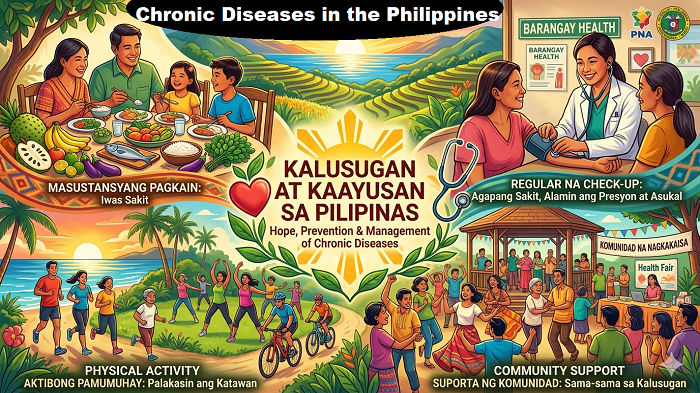
Effective management of common chronic diseases in the Philippines requires a multi-faceted approach.
Lifestyle Modifications: The Foundation of Prevention
- Healthy Diet: Emphasize fruits, vegetables, whole grains, and lean proteins. Limit processed foods, sugar, salt, and unhealthy fats.
- Regular Physical Activity: Aim for at least 150 minutes of moderate-intensity aerobic activity per week, plus muscle-strengthening activities.
- Smoking Cessation: Quitting smoking dramatically reduces the risk of many chronic diseases.
- Moderate Alcohol Consumption: Limiting alcohol intake is crucial for liver and overall health.
- Stress Management: Techniques like mindfulness, yoga, and adequate sleep can mitigate stress’s impact.
Medical Management and Screening
- Regular Check-ups: Routine medical check-ups are vital for early detection.
- Screening Tests: Participate in recommended screenings for blood pressure, cholesterol, blood sugar, cancer (e.g., mammograms, colonoscopies), and infectious diseases (e.g., Hepatitis B/C).
- Adherence to Treatment: Follow prescribed medications and treatment plans diligently.
- Vaccinations: Stay up-to-date with vaccinations, especially for Hepatitis A and B, which can lead to chronic liver disease.
Public Health Initiatives
Government and non-government organizations play a role in raising awareness and providing accessible healthcare services. Supporting these initiatives is crucial for community health.
The Role of Awareness and Education
Education is a powerful tool in the fight against chronic diseases. Understanding the risks and symptoms empowers individuals to seek timely help and adopt healthier lifestyles.
Empowering Individuals
- Knowing the warning signs of heart attack, stroke, or cancer.
- Understanding the importance of regular health screenings.
- Learning about healthy eating and exercise.
Community Support
- Support groups for chronic conditions can provide emotional and practical help.
- Public health campaigns raise awareness and promote healthy behaviors.
Conclusion: A Healthier Future for the Philippines
The prevalence of common chronic diseases in the Philippines is a significant public health concern. By understanding the risk factors, individuals can significantly reduce their risk. Adopting effective management and prevention strategies also helps improve their quality of life.
In this article, we’ve covered the top chronic diseases and their management. Prioritizing a healthy lifestyle, engaging in regular screenings, and seeking timely medical care are crucial steps. By working together—individuals, families, healthcare providers, and the government—we can build a healthier future for the Philippines.
Sources:
- Department of Health (Philippines) – Non-Communicable Diseases: https://doh.gov.ph/non-communicable-diseases
- World Health Organization (WHO) – Noncommunicable diseases: https://www.who.int/news-room/fact-sheets/detail/noncommunicable-diseases
- Philippine Heart Association: Information on cardiovascular diseases, a major chronic illness in the Philippines. https://www.philippineheart.org/
🔗 Connect with Helal Medical:
If you suspect that you may have symptoms, Helal Medical can help, offering quick, private, and convenient testing options. You may contact us here: Facebook page, Get Free medical consultation!
This article provides general information. Always consult with a healthcare professional for personalized medical advice.
Discover more from Helal Medical Manila
Subscribe to get the latest posts sent to your email.


