
Urine Color: What Does It Mean?
Last Updated on 03/10/2026 by DrHelal
Urine Color is normally yellow. It varies depending on several factors, such as the amount of water. Certain medications and foods can also affect it, as well as underlying medical conditions. In this article, we will discuss the normal range of urine colors. We will cover what different colors indicate. Additionally, we will explore the impact of medications on urine color.
Normal Urine Color Range:
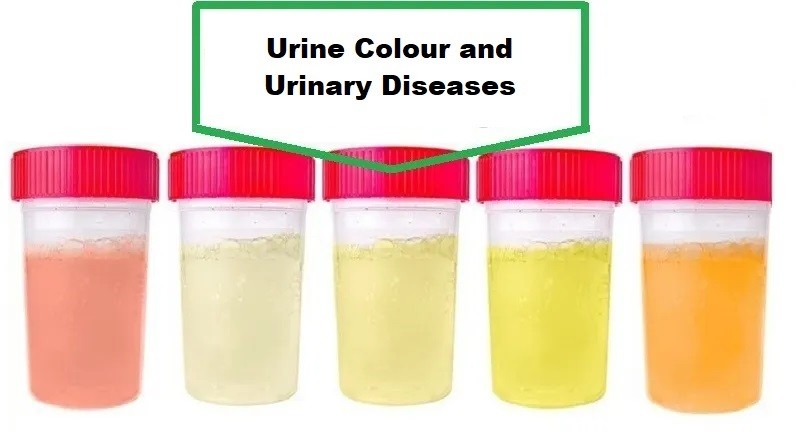
The normal color of urine is yellow. The degree of yellowing varies based on the amount of urochrome and water in the urine. The more water there is, the lighter the color will be. The normal range of urine colors is from pale yellow to dark yellow.
Urine Color Change: Common Causes
Urine color can change for many reasons, including hydration levels, diet, medications, and underlying health conditions. Here’s a list of the most common 5 factors causing urine color change:
Dehydration:
- Dark yellow or amber-colored urine is a common sign of dehydration. Some causes include not drinking enough water, vomiting or diarrhea (especially in infants & children). When you don’t drink enough fluid, your body will retain more water and produce concentrated urine. (Health Hearty)
- Heat
- Burns
Medications:
Some medications, such as rifampin, ibuprofen, amitriptyline, phenazopyridine, and phenazopyridine, can cause urine color change to become orange or red. This is usually not a cause for concern. The change in color will go away after you stop taking the medication.
Foods and Vitamins:
Eating certain foods, such as beets, blackberries, fava beans, or rhubarb, can cause your urine to change color. It may turn pink, red, or dark brown. This is a harmless condition known as beeturia.
High doses of vitamin B supplements can cause urine to turn bright yellow. Riboflavin, or B2, is responsible for neon pee. It isn’t dangerous when taken in large amounts, according to the NIH. The color change will go away after you stop taking the vitamins.
Medical conditions:
Such as liver disease can cause your urine to turn dark brown or amber. Other medical conditions, such as porphyria, hematuria and Urinary tract infection can cause your urine color change.
| Cause of Urine Color Change | Resulting Color |
|---|---|
| Dehydration | Dark yellow or amber |
| Medications | Orange or red |
| Foods | Pink, red, or dark brown |
| Medical conditions | Dark brown or amber, dark red or brown |
| Vitamins | Bright yellow |
Colors of Urine Indicating a Medical Condition:
Here are some colors of urine that may indicate an underlying medical condition:
- Cloudy or Foamy Urine: Cloudy or foamy urine may indicate urinary tract infections, chronic diseases, kidney diseases, or dehydration.
- Dark Brown Urine: Dark brown urine can result from eating certain foods. Examples include beans and rhubarb. It can also occur from taking certain medications, such as metronidazole and nitrofurantoin.
- Red or Pink Urine: Red or pink urine may indicate the presence of blood in the urine. This condition is known as hematuria. It may also result from eating certain fruits like beets, rhubarb, and berries.
- Orange Urine: Orange urine can result from dehydration or bile diseases caused by problems in the bile ducts or liver.
- Blue or Green Urine: Blue or green urine may result from consuming food dyes or certain medications. It can also occur from urinary tract infections caused by a bacterium called Pseudomonas.
| Color Change | Cause |
|---|---|
| Clear, watery color | Drinking a large amount of water |
| Amber yellow to reddish yellow | Normal, due to the presence of urochrome. Can also result from excess B vitamins in the bloodstream |
| Red or pink | Eating fruits with pink tints (such as beets, rhubarb, and berries) or pathological causes such as blood in the urine or serious diseases |
| Orange | Dehydration or diseases of the bile ducts, liver, or refractory anemia |
| Blue or green | Food dyes or dyes used in medical tests, or urinary tract infections |
| Dark brown | Dehydration, consumption of certain foods or medications |
| Cloudy urine | Can occur due to urinary tract infections, chronic diseases, kidney diseases, or dehydration |
| Cloudy urine with foam or bubbles | Can be a symptom of serious health conditions such as Crohn’s disease or diverticulitis, and may also occur without a reason |
| Disease | Changed Color | Explanation |
|---|---|---|
| Hematuria | Pink, Red, Brown | Presence of red blood cells in urine |
| Dehydration | Darker, Concentrated | Not enough fluid in the body (Little water, Diarrhea or Diseases) |
| Liver Disease | Dark Brown, Tea-colored | Bile pigment in urine |
| Rhabdomyolysis | Dark Brown, Reddish-brown | Muscle damage releases muscle fibers into bloodstream |
| Porphyria | Dark Purple, Dark Brown | Genetic disorder of heme |
| Food or Drugs | Red, Pink, Orange-red, Yellow-orange | Colored foods and drugs can change the color of urine |
Impact of Medications on Urine Color:
Here are some examples of medications that can change the color:
- Iron-containing medicines
- Methocarbamol
- Flagyl metronidazole
- Chloroquine
- Methyldopa
- Amitriptyline and tryptizole
- Chlorzoxazone
- Rifampicin
- Sulfasalazine
- Warfarin
- Ibuprofen
- Phenytoin
| Medications That Change Urine Color | Description |
|---|---|
| Dark or light brown urine | Iron-containing medicines, methocarbamol, Flagyl (metronidazole), chloroquine, methyldopa |
| Blue-green | Amitriptyline and tryptizole tablets |
| Yellowish-orange | Chlorzoxazone, rifampicin, sulfasalazine, warfarin |
| Scarlet | Ibuprofen, phenytoin |
SUMMARY
The color of urine varies based on different factors. These factors include the amount of water, certain medications and foods, and underlying medical conditions. If you see a change in the color of your urine, talk to a doctor. This consultation helps rule out any underlying health issues.
Urine color changes can indicate health conditions, including infections, dehydration, liver issues, and side effects of medications. Normal color ranges from pale yellow to amber. Changes can also result from foods or dyes.
SOURCES
If you suspect that you may have symptoms, Helal Medical can help, offering quick, private, and convenient testing options. You may contact us here: Facebook page
Read More about kidney Diseases:
- Kidney Health and Blood Pressure — How They Affect Each Other
- Full Urine Analysis (FUA) And Its indications
- Kidney function-test understanding your results/
Discover more from Helal Medical Manila
Subscribe to get the latest posts sent to your email.

