
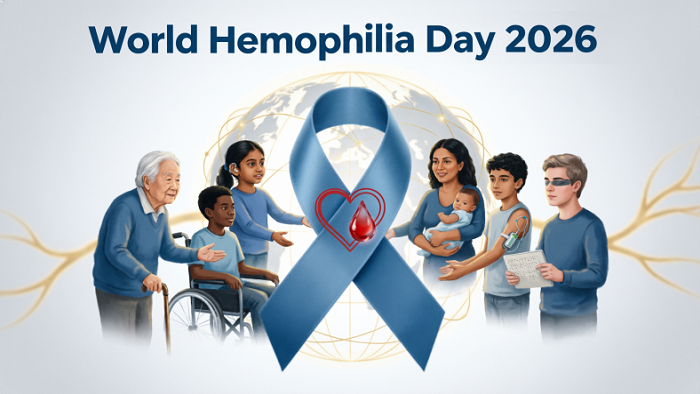
Hemophilia Day 2026: Raising Awareness and Hope
Last Updated on 08/13/2026 by DrHelal, MD Medical Doctor with 50+ Years of Clinical Practice • [Read Full Author Bio & Credentials →]
Hemophilia Day 2026 is on April 17th. It is a global event for hemophilia awareness. The World Federation of Hemophilia (WHF) leads this effort. It aims to improve lives of people with hemophilia. Understanding hemophilia is very important.
One day of awareness and support can make a world of difference for those with hemophilia! Keep reading to discover how you can contribute to Hemophilia Day 2026.
In this article, we will explore Hemophilia Day 2026 goals. We will also discuss hemophilia causes and treatments. The goal is to raise awareness and inspire action.
You may want to read more about: Blood Diseases Month in the Philippines: A Time to Act and Understand
Understanding Hemophilia
Hemophilia is a rare bleeding disorder. Blood does not clot normally. People with hemophilia bleed longer. They bleed after an injury or surgery. Sometimes they bleed spontaneously.
Types of Hemophilia
- Hemophilia A: This is the most common type. It is caused by a lack of clotting factor VIII.
- Hemophilia B: This is caused by a lack of clotting factor IX.
- Hemophilia C: This is caused by a lack of clotting factor XI.
Causes of Hemophilia
Hemophilia is usually inherited. It is passed down from parents to children. Genes cause the clotting factor deficiency. Sometimes it occurs spontaneously.
World Hemophilia Day 2026: The Focus
Hemophilia Day 2026, on April 17th, is crucial. It raises awareness about hemophilia. It also promotes support for patients. The WHF leads this global effort.
Goals of Hemophilia Day 2026
- Raise awareness about hemophilia.
- Promote access to treatment.
- Support research for better therapies.
- Advocate for policies that help patients.
How to Participate
- Wear red on Hemophilia Day.
- Share information on social media.
- Donate to hemophilia organizations.
- Attend local events and fundraisers.
Symptoms of Hemophilia
Hemophilia symptoms vary. They depend on the severity.
Common Symptoms
- Prolonged bleeding after cuts or injuries.
- Easy bruising is another symptom.
- Joint pain and swelling are frequent.
- Blood in urine or stool can occur.
- Nosebleeds are also common.
Severe Symptoms
- Internal bleeding can be life-threatening.
- Bleeding in the brain is a serious concern.
- Muscle bleeds can cause nerve damage.
Diagnosing Hemophilia
Doctors use tests to diagnose hemophilia.
Blood Tests
- Clotting factor tests are essential.
- These tests measure clotting factor levels.
- Genetic testing confirms the diagnosis.
Family History
- A family history of bleeding disorders is important.
- Genetic counseling is recommended.
Treatment of Hemophilia
Hemophilia treatment aims to prevent bleeding. It also treats bleeding episodes.
Factor Replacement Therapy
- This is the main treatment for hemophilia.
- Clotting factor is infused into the bloodstream.
- It helps the blood clot normally.
Prophylactic Treatment
- Regular factor infusions prevent bleeding.
- This is common for severe hemophilia.
- It improves quality of life.
On-Demand Treatment
- Factor infusions treat bleeding episodes.
- This is used for mild to moderate hemophilia.
- It stops bleeding quickly.
Other Treatments
- Desmopressin (DDAVP) helps release factor VIII.
- Antifibrinolytic drugs prevent clot breakdown.
- Physical therapy strengthens joints.
Living with Hemophilia
Living with hemophilia requires careful management.
Managing Bleeding Risks
- Avoid activities with high injury risk.
- Wear protective gear during sports.
- Inform healthcare providers about hemophilia.
Maintaining Joint Health
- Exercise strengthens muscles.
- Physical therapy improves joint function.
- Maintain a healthy weight.
Emotional Support
- Support groups provide emotional support.
- Counseling helps manage stress.
- Connect with other patients and families.
The Role of Research
Research is super important! It’s helping doctors find better ways to treat hemophilia, like with gene therapy. This means fewer bleeds and a better life for people who have it. More research = even better treatments!
Gene Therapy
- Gene therapy offers a potential cure, it replaces the faulty gene.
- Clinical trials are ongoing.
New Therapies
- New clotting factors with longer half-lives are being developed.
- They require less frequent infusions.
Hemophilia and Other Health Conditions
Hemophilia can be linked to other issues suvh as infections:
- Blood transfusions increase infection risk such as hepatitis and HIV.
- Screening blood products is essential.
Conclusion: Supporting Hemophilia Day 2026
Hemophilia Day 2026 is an important event. It raises awareness and promotes support. Understanding hemophilia is crucial. Treatment improves quality of life. Support research for better therapies. Get involved in Hemophilia Day 2026. Make a difference in the lives of patients.
Discover more from Helal Medical Manila
Subscribe to get the latest posts sent to your email.


