
Dengue Fever Disease, Causes, Symptoms, and Prevention: Complete Medical Guide
Last Updated on 08/31/2026 by DrHelal, MD Medical Doctor with 50+ Years of Clinical Practice • [Read Full Author Bio & Credentials →]
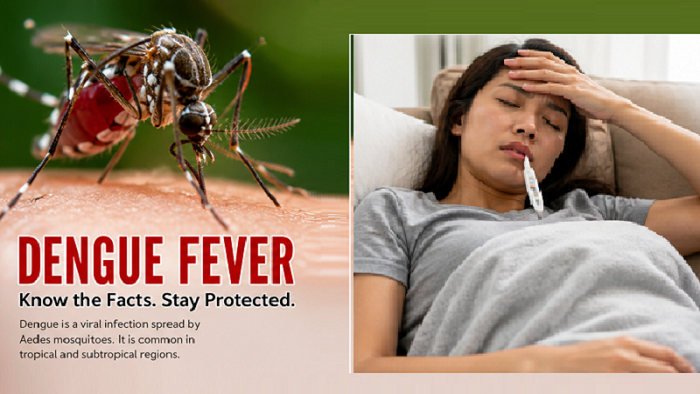
Dengue fever disease is a viral infection caused by the dengue virus and transmitted primarily through the bite of infected Aedes mosquitoes, particularly Aedes aegypti. It’s not just another tropical illness—it’s a rapidly spreading global health concern affecting millions each year.
In this article, we will explore what Dengue Fever Disease is and its global prevalence. We will also cover its causes, symptoms & signs and how to diagnose and manage it.
What is Dengue Fever Disease? Why It Matters
Dengue fever is a mosquito-borne viral infection. It causes high fever, body pain, and rash. Severe cases can damage organs and be fatal. It matters because it’s common in tropical regions and needs early care to prevent complications.
It matters because it’s expanding fast. Urbanization, travel, and climate shifts have turned dengue into a worldwide threat, not just a tropical inconvenience.
Global Prevalence of Dengue
Regions Most Affected
Dengue is most common in:
- Southeast Asia
- Western Pacific regions
- Latin America
- Africa
Countries like the Philippines, India, Brazil, and Thailand report high case numbers annually.
Rising Global Trends
Over the past few decades, dengue cases have increased dramatically. The World Health Organization estimates that about 390 million infections occur each year.
Impact of Climate Change
Warmer temperatures and increased rainfall create ideal breeding conditions for mosquitoes. Simply put—more heat, more mosquitoes, more dengue.
Causes and Transmission
Role of Aedes Mosquito
The Aedes aegypti mosquito is the main culprit. Unlike other mosquitoes, it bites during the day, making it harder to avoid.
How Infection Occurs
When an infected mosquito bites a person, the virus enters the bloodstream and begins replicating. Symptoms usually appear within 4–10 days.
Risk Factors
Certain factors increase the risk:
- Living in endemic areas
- Poor sanitation and standing water
- Previous dengue infection
- Weak immune system
Symptoms of Dengue Fever
Early Symptoms
The initial phase often resembles flu:
- High fever (40°C)
- Severe headache
- Pain behind the eyes
- Muscle and joint pain (“breakbone fever”)
- Nausea and vomiting
Moderate Symptoms
As the disease progresses:
- Skin rash
- Mild bleeding (nose or gums)
- Fatigue and weakness
Warning Signs of Severe Dengue
Here’s where things get serious. Severe dengue (also called dengue hemorrhagic fever) can be life-threatening.
Watch for:
- Severe abdominal pain
- Persistent vomiting
- Rapid breathing
- Bleeding gums or nose
- Blood in vomit or stool
- Extreme fatigue or restlessness
When to Seek Emergency Care: If any of the above symptoms appear don’t wait, seek immediate medical attention, this can save lives.
Diagnosis of Dengue Fever
Laboratory Tests
Doctors confirm dengue through:
- NS1 antigen test (early detection)
- PCR test (viral RNA detection)
- IgM/IgG antibody tests (later stages)
- Complete blood count (low platelets are a key indicator)
Differential Diagnosis
Dengue can mimic other diseases like:
- Malaria
- Typhoid fever
- COVID-19
- Chikungunya
Accurate diagnosis is crucial.
Treatment and Management
Home Care
For mild dengue:
- Adequate hydration (oral fluids)
- Rest
- Paracetamol for fever (avoid NSAIDs like ibuprofen)
Hospital Treatment
Severe cases require hospitalization:
- IV fluid therapy
- Monitoring of platelet levels
- Blood transfusion in critical cases
Fluid Management
Fluid balance is the cornerstone of dengue treatment. Too little leads to shock; too much causes fluid overload. It’s a delicate balancing act.
Prevention Strategies
Mosquito Control
The best defense? Stop the mosquito.
- Remove standing water
- Use insecticides
- Install window screens
Personal Protection
Protect yourself:
- Wear long sleeves
- Use mosquito repellents (DEET-based)
- Sleep under mosquito nets
Vaccination
A dengue vaccine exists (Dengvaxia), but it is recommended only for individuals with prior dengue infection in specific settings. Always consult guidelines before use.
Summary
Dengue fever disease is a growing global health issue with significant morbidity and mortality. Early recognition, proper management, and preventive strategies are essential to control its spread. While most cases are mild, severe dengue can be fatal if not treated promptly.
Relevant Sources
- World Health Organization (WHO)
- Centers for Disease Control and Prevention (CDC)
- Local Department of Health (Philippines)
- Peer-reviewed medical journals
Conclusion
Dengue fever disease isn’t just a seasonal illness—it’s a persistent threat lurking in many parts of the world. The good news? It’s largely preventable. With awareness, early detection, and proactive measures, we can reduce its impact significantly. Think of dengue control like a community effort—every small action, like removing stagnant water, plays a big role.
FAQs
1. Can dengue fever disease be cured completely?
Yes, most people recover fully with proper supportive care, although severe cases require hospitalization.
2. How long does dengue fever last?
Typically, symptoms last 7–10 days, but fatigue may persist longer.
3. Is dengue contagious from person to person?
No, dengue spreads only through mosquito bites, not direct human contact.
4. Can you get dengue more than once?
Yes, and subsequent infections may increase the risk of severe dengue.
5. What is the most dangerous phase of dengue?
The critical phase occurs after fever subsides, when plasma leakage and bleeding risks increase.
🔗 Connect with Helal Medical:
If you suspect that you may have symptoms, Helal Medical can help, offering quick, private, and convenient testing options. You may contact us here: Facebook page
This article provides general information. Always consult with a healthcare professional for personalized medical advice
Discover more from Helal Medical Manila
Subscribe to get the latest posts sent to your email.


