
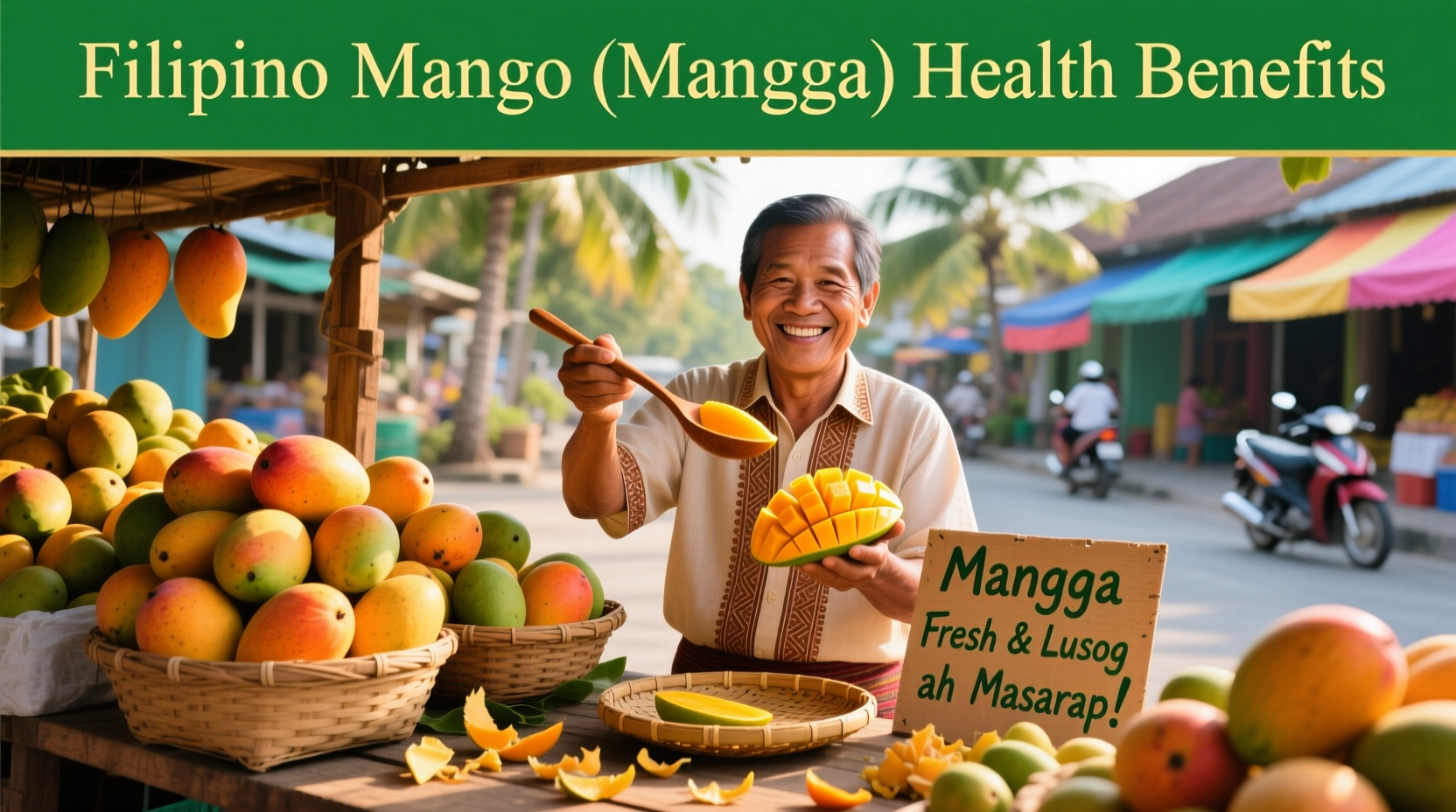
Filipino Mango (Mangga) Health Benefits: The King of Fruits
Last Updated on 09/04/2026 by DrHelal, MD Medical Doctor with 50+ Years of Clinical Practice • [Read Full Author Bio & Credentials →]
Filipino mango, or mangga, is often called the “king of fruits” — and that’s not just because of its delicious sweetness. For many Filipinos, Filipino mango (mangga) is not only a favorite snack but also a powerful source of nutrients that support health. Whether eaten fresh, in shakes, or even pickled, mangga brings more than just flavor. In this article, we’ll explore the nutritional value, health benefits, common uses, and practical tips for including mango in your diet.
I’m a medical doctor and owner of Helal Medical Manila. My neighbor planted a Filipino mango (Mangga) tree. Every harvest, he shares some mangoes with me. I love them—they’re so masarap! The sweet, juicy fruit brightens my day, reminding me of kindness and the simple joys of life. This is how I enjoy my senior years after 70!
1. Nutritional Power of Filipino Mango (Mangga)
Mangoes are more than just tasty — they’re packed with important vitamins, minerals, fiber, and antioxidants:
- According to Healthline, 1 cup (165 g) of fresh mango provides about 99 kcal, 2.6 g of fiber, and about 67% of the Daily Value (DV) for vitamin C. (Healthline)
- The National Nutrition Council (NNC) of the Philippines highlights that mango is a very good source of vitamin C, plus it contains vitamin A (from beta-carotene), potassium, and flavonoids. (NCCA)
- Nutrient data from the National Mango Board also shows mango has folate and copper, which support cell growth and energy. (Mango.org)
- According to the NNC’s local “Let’s Go for Mango” guide, unripe mangoes actually have more vitamin C than fully ripe ones. (NCCA)
2. Top Health Benefits of Filipino Mango (Mangga)
✔ Boosts Immune System
Because mango is rich in vitamin C and other antioxidants, it strengthens your immune system. (Healthline) This is especially helpful during flu season or when you just want a natural way to support your body’s defense.
✔ Supports Eye Health
Mango contains beta-carotene, which the body converts into vitamin A. This is important for maintaining good vision and healthy skin. (NCCA) The NNC also notes this in its benefits list. (NCCA)
✔ Helps with Digestion
Mango has dietary fiber, water, and digestive enzymes that aid digestion and help prevent constipation. (NCCA) In fact, a pilot study in the Philippines showed that people with chronic constipation improved after eating mango regularly. (NCCA)
✔ Supports Heart Health
Mangoes provide potassium, which helps regulate blood pressure and supports the proper function of your heart. (Healthline) Also, antioxidants like mangiferin (a compound found in mango) may help reduce inflammation in blood vessels. (Mango.org)
✔ Promotes Skin and Cell Health
With its high vitamin C, mango supports collagen production, which helps with skin repair and elasticity. (EatingWell) The fruit’s antioxidants also protect cells from damage by free radicals. (Healthline)
✔ Supports Brain and Mood
Mango contains vitamin B6 and folate, which are linked to better brain health. (Mango.org) These nutrients can support mood regulation, energy, and proper nerve function.
✔ Prebiotic Support for Gut Health
Mango fiber includes pectin, a type of prebiotic—which means it helps feed the good bacteria in your gut. (EatingWell) A healthy gut microbiome contributes to better digestion, immunity, and even mood.
3. How Filipinos Commonly Eat Mango (Mangga)
Here are common and delicious ways to include mango in a Filipino diet:
- Fresh Mango Slices: The simplest way — eat ripe mango as is for dessert or snack.
- Manggang Hilaw: Green (unripe) mangoes are often enjoyed with a little salt, fish sauce, or bagoong. (NCCA)
- Mango Shake / Smoothie: Blend with milk or yogurt for a refreshing drink.
- Dried Mango: A popular snack, especially for on-the-go.
- Mango Jam / Mango Jelly: Used on breads, pandesal, or as dessert toppings.
- Pickled Mango (Atchara-style): Green mango can be pickled to make a tangy side dish. (NCCA)
- Mango in Dishes: Use unripe mango as souring for sinigang (“Sinigang na Mangga”) or even in salads. (NCCA)
- Mango Vinegar: In some Filipino households, ripe mango juice is fermented into a sweet vinegar. (NCCA)
4. Who Should Benefit from Eating Mango (Mangga)
- Children – For a naturally sweet and nutritious fruit snack loaded with vitamin C and A.
- Pregnant Women – Provides folate, which is important for fetal development.
- People with Digestive Issues – The fiber and enzymes support better digestion.
- Older Adults – For immune support, vision health, and gentle fiber.
- Active People & Students – As a natural energy booster.
- Those Wanting Natural Skin Support – For collagen production and antioxidant protection.
5. Safety Tips & Considerations
- Portion Control: Because mango is naturally sweet, eat in moderation, especially if you’re watching your sugar intake.
- Diabetes: If you have diabetes, pair mango with protein or fiber-rich food to slow sugar absorption.
- Allergies: Rare, but some people might be allergic to mango peel or sap.
- Ripeness: Overripe mangoes may have even more sugar; choose firm but ripe fruit for a good balance.
- Unripe Mango: While nutritious, it can be very sour and may irritate your mouth if eaten in large amounts.
6. Mango and the Philippine Context
- Mango is a high-value crop in the Philippines, grown by many small-scale farmers. (NCCA)
- It is not just a fruit – mango production contributes significantly to rural livelihoods, especially during season peaks. (NCCA)
- Because mango is widely available in local markets (and even roadside stalls), it’s an accessible fruit choice for many Filipinos seeking nutrient-rich foods. (NCCA)
- The NNC encourages eating mango fresh, as vitamin C is sensitive to heat; overcooking or heavy processing can reduce its nutritional value. (NCCA)
Summary
Filipino mango (mangga) is not just a delicious fruit — it’s a nutritional powerhouse. Packed with vitamin C, vitamin A, fiber, potassium, folate, and antioxidants, mango supports immunity, digestion, eye health, and more. Whether you enjoy it ripe as a snack, blend it into smoothies, or use green mango for traditional Filipino dishes like sinigang or pickled atchara, mango offers many health benefits. Just remember to eat in moderation, especially if you have sugar concerns. With its nutritional profile and cultural importance, Filipino mango (mangga) is truly a gift from our land and fields.
💬 Any concerns? Chat with Us:
You can easily reach Helal Medical via WhatsApp (+63 966 974 1609), Facebook Messenger, or by clicking the chat icon at the lower right corner of our website HelalMedical.com. We respond quickly to inquiries, appointment bookings, and medical consultations.
This article provides general information. Always consult with a healthcare professional for personalized medical advice.
Read More:
Diseases and conditions / STDs / HIV / Men’s health / Healthy lifestyle
Discover more from Helal Medical Manila
Subscribe to get the latest posts sent to your email.


