
Guarding Brain Health at PGH Philippines (2005–2026)
Last Updated on 08/28/2026 by DrHelal, MD Medical Doctor with 50+ Years of Clinical Practice • [Read Full Author Bio & Credentials →]
“When I first stepped through the doors of UP-Philippine General Hospital in 2005, fresh with hope and a drive to serve, “brain health” was too often discussed only in the context of stroke, tumors, or advanced dementia. Preventive brain care was not yet front-and-center.”
This is a story told by a Neurologist, a friend of mine. I’m not a brain doctor. This is, why during my practice as a medical doctor in Helal Medical – Manila, I used to refer some patients to him. He is a smart kind Filipino doctor.
“Over the next 21 years, from 2005 all the way to 2026, I watched the change. I gained too much experience, from the consultation rooms of PGH to the hearts and minds of the patients we cared for.”
Arrival: Learning the Landscape
In 2005, PGH was already a trusted name in the Philippines, but neurology and brain health services were still growing. My early days were filled with long consultations, listening carefully to patients describing forgetfulness, foggy thinking, or recurrent headaches. These are symptoms that many once dismissed as just aging or stress. (Read more: About | UP-PGH Department of Neurosciences)
Back then, advanced brain imaging and cognitive screening tools were less accessible locally. We relied primarily on clinical skill, patience, and building trust. I quickly learned: the brain reveals its secrets slowly, you must listen closely.
Many patients came in late, when conditions had already advanced. Stroke care was a major part of my early practice. I saw how high blood sugar, unmanaged hypertension, smoking, and a diet heavy in processed foods quietly damaged blood vessels in the brain—decades—before a crisis struck. These are medical facts supported bt science (Source: pmc.ncbi.nlm.nih.gov › articles › PMC2945206Role of diabetes, hypertension, and cigarette smoking on).
These lessons became the foundation of everything I would later advocate: brain health is built years before symptoms appear.
The Middle Years: Shifting to Prevention
By the early 2010s, PGH expanded its facilities, and we began offering better diagnostics—CT scans, high-resolution MRI, neurocognitive testing. This was a turning point. We could detect early signs of vascular disease, small vessel changes, and mild cognitive impairment before serious decline set in.
I began spending less time only treating advanced disease and more time teaching:
- How the heart and brain are inseparable — what harms the heart harms the brain
- That quality sleep clears toxins from the brain and is not a luxury, but maintenance
- How social connection, lifelong learning, and managing stress build “brain reserve” that protects us later
- The importance of exercise and nutrition — movement grows new brain cells; a balanced diet nourishes them
I remember many families who, once they understood why lifestyle matters, changed together. Husbands and wives walked daily, swapped refined sugar for whole foods, and stayed socially active. Years later, they returned—sharper, stronger, more confident. That was the reward: seeing brain health move from reaction to prevention.
Currently: New Understanding, Same Heart
The 2020s brought fresh challenges and deeper insight. We learned more about inflammation, environmental factors, hormonal health, and how mental health—anxiety, depression, trauma—directly shapes brain resilience. At Helal Medical, we evolved: brain health care became holistic, weaving together neurology, internal medicine, nutrition, mental health, and patient education.
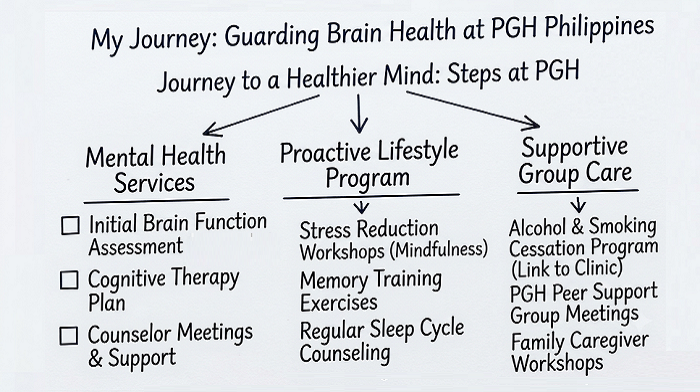
By 2026, we were identifying risk in midlife and intervening early. What began as consultations about memory loss had grown into a full Brain Health Program: vascular risk screening, cognitive wellness checks, personalized nutrition and fitness plans, sleep optimization, and stress management. Technology helped, but the core remained unchanged: compassion, listening, and partnership.
A Memorable Moment That Stuck With Me
Some years ago, an elderly patient came to Helal Medical accompanied by her daughter. She was worried her “slowness and forgetfulness” meant irreversible dementia. After evaluation, we found her issues stemmed from untreated hypertension, poor sleep, and loneliness—not a degenerative brain disease. Over months, we controlled her blood pressure, improved her sleep habits, encouraged her to join community activities, and stayed in touch. Within a year, she returned—brighter, more engaged, smiling again. She said: “Doctor, you didn’t just treat my mind—you gave me my life back.”
That story is not rare. Most brain health decline is preventable when we catch risks early and act together.
Summary:
From 2005 to 2026—21 years—I have been proud to serve at Helal Medical Manila. We have advanced in technology, knowledge, and capability. Yet my greatest lesson remains simple:
Your brain is the keeper of who you are. Protect it as early as you can—through a healthy heart, restful sleep, meaningful connection, and lifelong curiosity. Brain health is not about avoiding aging—it is about aging well, fully, and with purpose.
PGH has always stood for care that is accessible, compassionate, and grounded in integrity. It has been my honor to walk alongside our patients here, helping them protect the most precious organ they possess. As I continue this work, my hope is clear: that more people will learn to guard their brains today, so they may enjoy a full life tomorrow.
This story reflects my professional journey and experiences practicing at Helal Medical Manila between 2005 and 2026, shared in the spirit of education and community wellness.
Local for Further Reading:
DOST-PCHRD launches Philippine Brain Research Agenda 2024: Research and development in mental health
The Brain Foundation of the Philippines: A network of Filipino neuroscientists which aims to advance the quality of basic and clinical research in the fields of the neurosciences including neurology, neurosurgery, neuropathology.
PHILIPPINE BRAIN RESEARCH AGENDA: The Philippine Council for Health Research and Development (PCHRD) has supported numerous neuroscience studies, particularly on X-linked dystonia-parkinsonism (XDP), dementia
HOME | PNA: Everything for our patients, anytime, anywhere. Who are we? How can you contact us?
Discover more from Helal Medical Manila
Subscribe to get the latest posts sent to your email.


